CM Conrad Sangma marks National Handloom Day, salutes tribal weavers
Synopsis
Meghalaya Chief Minister Conrad Sangma marked National Handloom Day on 7 August 2026 by honouring weavers who preserve tribal identity, tagging the Union Textiles Ministry and Minister Giriraj Singh. The day commemorates the 1905 Swadeshi movement and spotlights India's handloom sector.
Key Takeaways
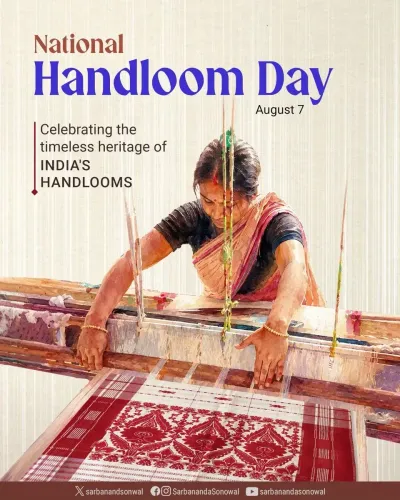
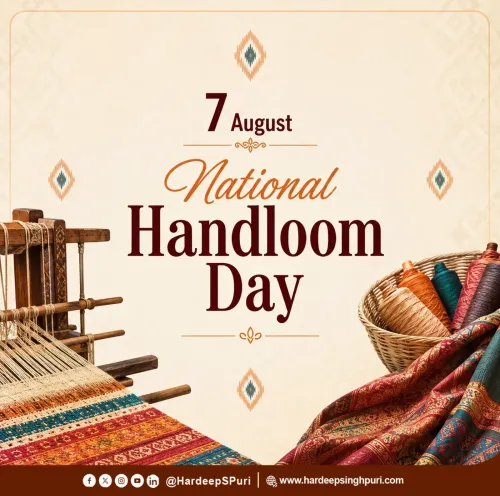
National Handloom Day falls on 7 August each year, instituted in 2015 to mark the centenary of the Swadeshi movement launched on 7 August 1905.
Meghalaya CM Conrad Sangma used the occasion to honour weavers who preserve tribal and community identity across India.
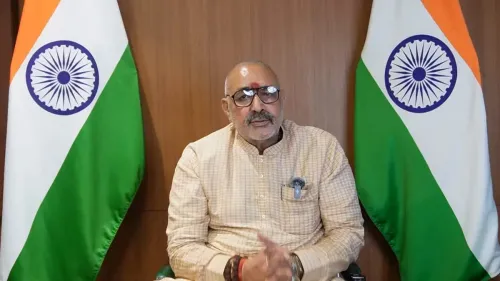
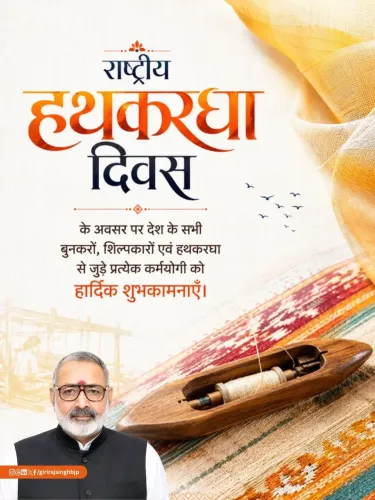
Sangma tagged Union Textiles Minister Giriraj Singh and the Ministry of Textiles , keeping the tribute connected to national policy.
The Northeast holds some of India's most distinctive handloom traditions, with weaving integral to Khasi, Garo, and Jaintia cultural life.
State leaders across party lines routinely mark the day, reflecting broad political consensus on artisan welfare and cultural preservation.
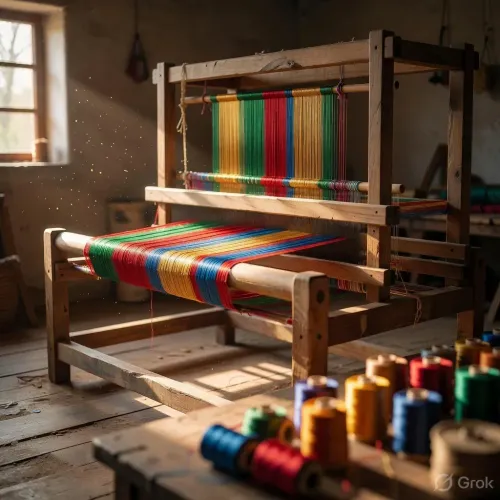
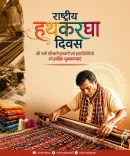
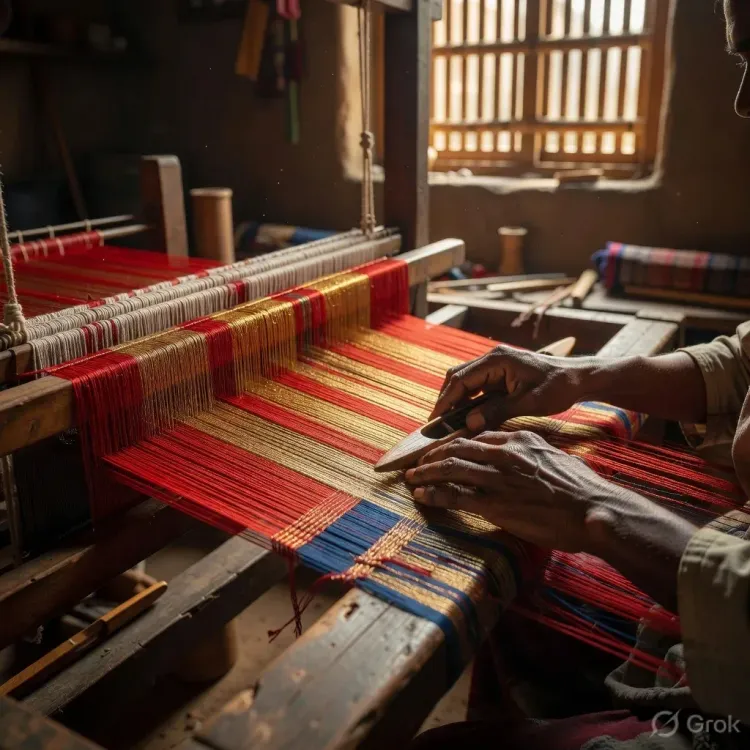
On National Handloom Day, 7 August 2026, Meghalaya Chief Minister Conrad Sangma paid tribute to the weavers who keep tribal identity alive — one thread at a time.
Sangma's message, directed at Union Textiles Minister Giriraj Singh and the Ministry of Textiles, framed handloom not merely as craft but as living cultural memory — 'weaving threads into identity and culture' for tribes and communities across India.
Why 7 August carries special weight
National Handloom Day was instituted in 2015 to mark the centenary of the Swadeshi movement, which was formally launched on 7 August 1905. The choice of date was deliberate: it ties the modern handloom sector directly to the original call for homegrown industry and self-reliance. Every year since, the day has served as a national prompt to spotlight millions of weavers whose looms sustain both livelihoods and heritage.The Northeast thread in India's handloom story
For a Chief Minister from Meghalaya, the day resonates beyond ceremony. The Northeast is home to some of India's most distinctive weaving traditions — Khasi, Garo, and Jaintia communities each carry textile vocabularies passed down across generations. Weaving here is not a cottage industry footnote; it is woven into social ritual, ceremonial dress, and community identity in ways that no factory loom can replicate. Successive central governments have used the annual observance to spotlight the sector's role in rural employment and cultural preservation, and state leaders across party lines routinely join in — signalling that artisan welfare sits above political divides. Sangma's tag of the Department of Textiles and the ministry keeps the conversation anchored to policy, not just sentiment. The thread is old. The loom is still running. And on days like this, the whole country is reminded why that matters.Point of View
Unlike most sectors, allows leaders across the spectrum to perform solidarity with artisans without ideological risk. For the Northeast specifically, where weaving is inseparable from tribal identity, such endorsements also serve as soft cultural assertion — reminding Delhi that the region's heritage deserves sustained policy attention, not just annual acknowledgement.
NationPress
7 Aug 2026
Frequently Asked Questions
When is National Handloom Day celebrated in India?
National Handloom Day is observed every year on 7 August . It was instituted in 2015 to mark the centenary of the Swadeshi movement, which was launched on 7 August 1905 .
Why did Conrad Sangma post about National Handloom Day?
As Meghalaya Chief Minister and head of a state with rich tribal weaving traditions, Conrad Sangma used the occasion to honour weavers who preserve cultural and community identity, tagging the Union Textiles Ministry to connect the tribute to national policy.
What is the significance of handloom weaving in the Northeast?
In states like Meghalaya , handloom weaving is integral to the social and ceremonial life of tribal communities including the Khasi, Garo, and Jaintia peoples. It is a carrier of cultural identity, not merely an economic activity.
Who is Giriraj Singh in the context of handloom?
Giriraj Singh is a BJP leader who has served as Union Minister of Textiles , the ministry responsible for handloom policy, development programmes, and export promotion across India.
What government schemes support handloom weavers in India?
The central government runs programmes such as the National Handloom Development Programme to provide financial support, skill development, and market access to handloom weavers across the country.