CM Conrad Sangma Welcomes Ex-BJP Leader, 500+ into NPP
Synopsis
Meghalaya CM Conrad Sangma welcomed former BJP leader Daullhat C. Marak and over 500 Garo Hills supporters into the NPP at a mass-joining event in Tura on 29 July 2026, reinforcing the party's ground strength ahead of the 2028 state elections.
Key Takeaways
Marak , a former BJP leader, joined the National People's Party at a mass-joining event in Tura on 29 July 2026 .
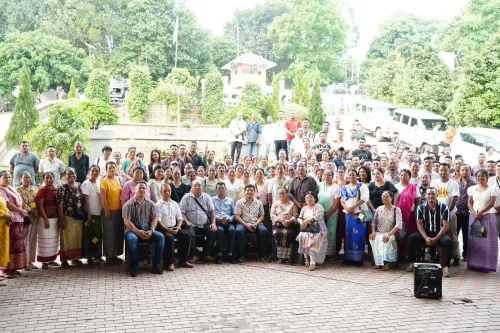
More than 500 supporters from Tura and different parts of Garo Hills joined the NPP alongside Marak.
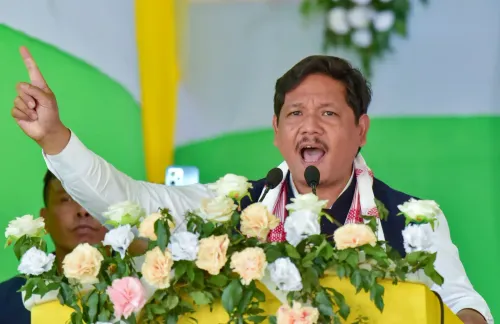
Meghalaya Chief Minister Conrad Sangma , who is also the NPP's national president, personally presided over the event.
The NPP has governed Meghalaya since 2018 and retained power in the 2023 assembly elections .
Defections from national parties to the NPP have been a recurring pattern in Meghalaya politics, reflecting local-governance preferences in the Northeast.
The next Meghalaya assembly elections are due by 2028 , making ground-level consolidation in Garo Hills strategically significant.
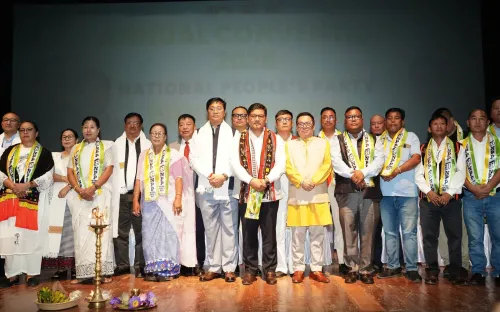
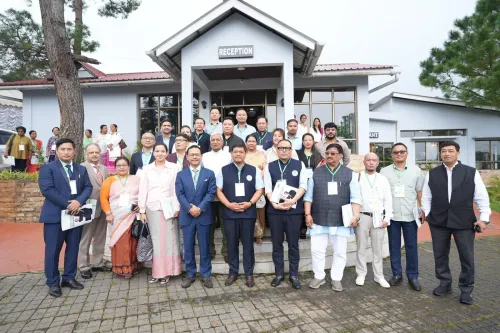
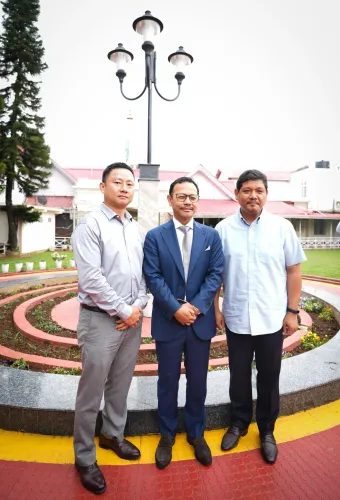
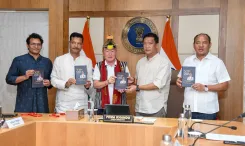
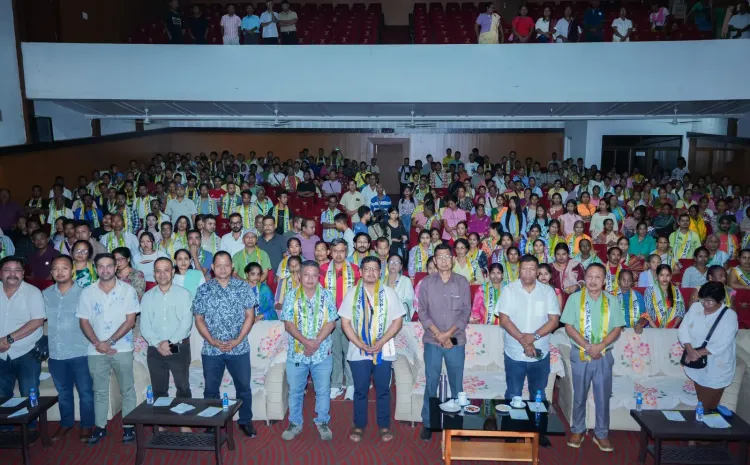
A former BJP leader and more than 500 supporters walked into the National People's Party fold on Wednesday, 29 July 2026 — and Meghalaya Chief Minister Conrad Sangma was there to greet every one of them. The mass-joining ceremony, held in Tura, the political heartland of Garo Hills, marked the induction of Shri Daullhat C. Marak, a former BJP leader, along with supporters drawn from across the Garo Hills region.
Marak's crossing and what it signals in Garo Hills
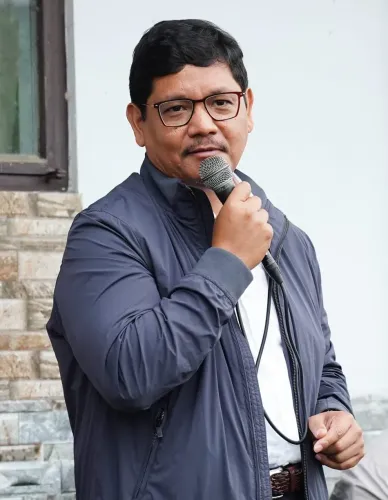
Sangma described the moment as a demonstration of 'strong belief in our people-centric governance,' welcoming the new entrants with the declaration: 'Together, we will continue working for peace, progress, and inclusive development for the people of Meghalaya.' Tura is no ordinary venue for such a ceremony — it is the principal town of West Garo Hills and historically the most contested political turf in the region. A public defection of this scale from the BJP to the NPP here carries weight beyond the numbers.
A pattern older than the NPP's current dominance
The National People's Party, founded in 2013 by the late P.A. Sangma — Conrad's father — has governed Meghalaya since 2018 and retained power after the 2023 assembly elections. Throughout this period, defections from national parties, including the BJP, to the NPP have been a recurring feature of Meghalaya politics. The pattern reflects a broader Northeast India dynamic: voters and local leaders consistently gravitate toward parties that speak the language of local governance rather than national platforms. The NPP and BJP have also coexisted in alliance arrangements across the Northeast, making such crossings a nuanced realignment rather than a clean break.
What the next Meghalaya election cycle is already watching
With the next Meghalaya assembly elections due by 2028, every significant defection now functions as an early signal. A bloc of over 500 supporters from Garo Hills — a region with distinct tribal demographics and its own set of political loyalties — shifts the organisational arithmetic on the ground. The NPP's ability to absorb these cadres and translate them into durable voter loyalty will be the real test.
In Meghalaya's politics, the ground rarely stays still for long — and Tura just moved.
Point of View
But through the steady absorption of local leaders who carry cadre networks with them. For the NPP, adding a former BJP leader in Garo Hills is particularly pointed: it chips away at the BJP's organisational presence in a region that both parties have historically contested. Conrad Sangma's dual role as Chief Minister and NPP national president means these gains serve both the state government's mandate and the party's broader Northeast ambitions. With 2028 on the horizon, the real question is whether these 500-plus recruits represent a durable shift or a transactional move that could reverse under changed political conditions.
NationPress
29 Jul 2026
Frequently Asked Questions
Who is Daullhat C. Marak and why did he join NPP?
Daullhat C. Marak is a former BJP leader from Garo Hills, Meghalaya, who joined the National People's Party on 29 July 2026 along with over 500 supporters. CM Conrad Sangma stated the shift reflects belief in the NPP's people-centric governance.
What is the National People's Party (NPP)?
The National People's Party is a regional political party founded in 2013 by the late P.A. Sangma, active primarily in Meghalaya and other northeastern states. It has governed Meghalaya since 2018 under Chief Minister Conrad Sangma.
Where did the NPP mass joining event take place?
The mass joining programme was held in Tura, the principal town of West Garo Hills and a key political centre in Meghalaya.
How does this defection affect the BJP in Meghalaya?
The crossover of a former BJP leader and over 500 supporters to the NPP weakens the BJP's organisational base in Garo Hills. The NPP and BJP have coexisted in alliance arrangements in the Northeast, so such shifts represent a nuanced realignment ahead of the 2028 Meghalaya elections.
When are the next Meghalaya assembly elections?
The next Meghalaya assembly elections are due by 2028. The NPP last retained power in the 2023 state elections under Conrad Sangma.