CM Dhami: 35,000+ youth hired via transparent recruitment in Uttarakhand
Synopsis
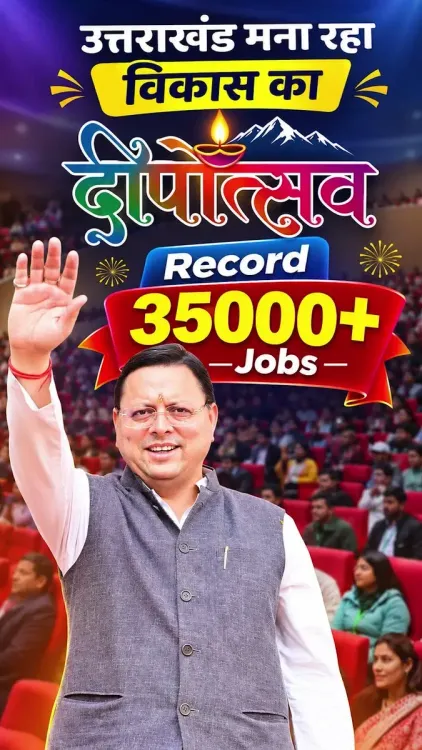
Uttarakhand CM Pushkar Singh Dhami announces that over 35,000 young people have been appointed to government posts through a merit-based, transparent process, citing the state's anti-cheating law as the guarantee of exam integrity.
Key Takeaways
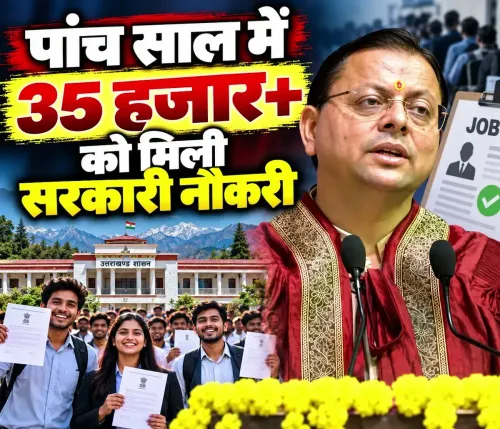
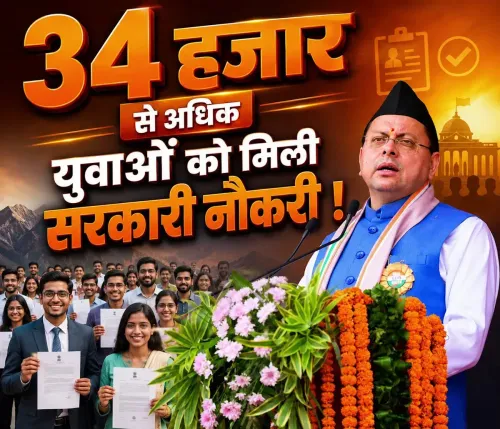
CM Pushkar Singh Dhami announced over 35,000 youth appointed to government service in Uttarakhand.
The appointments are framed as the direct result of a transparent and impartial recruitment process.
Uttarakhand's anti-unfair means law was enacted to prevent paper leaks and cheating in public examinations.
The push began post the 2022 Uttarakhand assembly elections , when transparent hiring was a stated BJP government priority.
Multiple Indian states have passed similar anti-cheating legislation after repeated paper-leak scandals nationally.
Further recruitment rounds and potential judicial scrutiny of the anti-copying provisions are on the horizon.
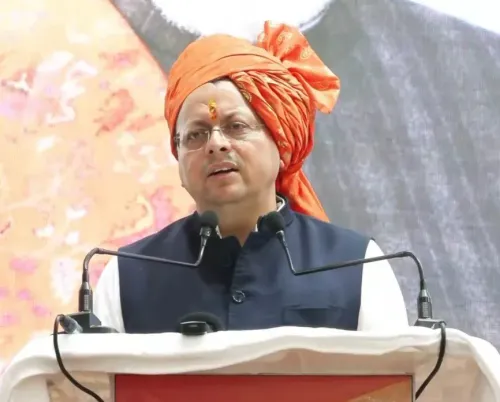
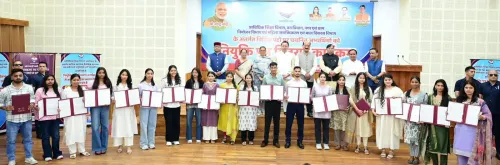
Uttarakhand Chief Minister Pushkar Singh Dhami declared on Monday, 9 November 2026 that his government has placed more than 35,000 young people into government service through a recruitment process he describes as transparent and impartial — backed by a state anti-cheating law designed to shut the door on paper leaks for good.
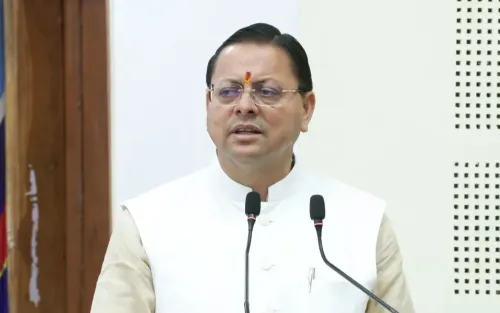
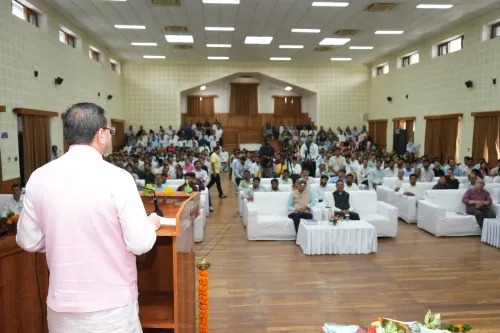
Posting in Hindi on X, CM Dhami said: 'Our government has provided appointments in government services to more than 35,000 youth through a transparent and impartial recruitment process. By implementing an anti-copying law, integrity and transparency in the recruitment process have been ensured, giving talented young people opportunities based on their hard work and merit.'
The anti-cheating law at the heart of Uttarakhand's recruitment push
The Uttarakhand anti-unfair means law — enacted in the wake of repeated public examination scandals that had eroded trust in government hiring across India — gives the state legal teeth to prosecute cheating, impersonation, and paper leaks at any stage of a competitive examination. The legislation sits at the centre of Dhami's pitch that a government job in Uttarakhand now means something: it is earned, not bought or leaked.
Multiple Indian states moved in a similar direction over the past few years after high-profile paper-leak controversies forced cancellations of large-scale recruitment drives, leaving hundreds of thousands of aspirants stranded. Uttarakhand's move tracks that broader pattern — but Dhami is using the 35,000-plus appointments figure to argue his state has actually delivered results, not merely passed legislation.
Post-2022 mandate and the politics of meritocracy
When Dhami returned to power after the 2022 Uttarakhand assembly elections, transparent recruitment was a stated priority. Youth unemployment and examination irregularities had been live grievances in the hill state, where government jobs carry outsized economic weight for families in remote districts with limited private-sector opportunity. Delivering visible numbers — over 35,000 appointments — allows the administration to claim a concrete benchmark, not just a promise.
The post comes at a moment when competitive-exam reform remains a politically charged issue nationally, with job-seeking youth and their families watching every recruitment cycle closely for signs of manipulation. A clean, court-survivable hiring record is both a governance goal and an electoral asset.
What comes next for Uttarakhand's recruitment pipeline
The Dhami government has signalled further recruitment announcements ahead, and legal observers are watching whether any provisions of the anti-copying statute face judicial challenge — a fate that has befallen similar laws in other states. For now, the administration is leaning into the numbers, staking its credibility on the claim that merit, not influence, is the new currency of a government post in Uttarakhand.
Thirty-five thousand appointments is a data point. Whether it becomes a movement depends on what the next recruitment cycle looks like — and whether the exam halls stay clean.
Point of View
000-plus appointments — and a legislative instrument, he is doing something subtler than a routine announcement. He is building an accountability record ahead of future electoral cycles in a state where government employment is a primary economic aspiration for hill-district families. The anti-cheating law gives the number credibility by implying that unlike pre-reform cycles, these appointments survived a legally reinforced integrity filter. Nationally, this fits the BJP's broader state-level narrative that merit-based governance is a deliverable, not just a slogan — but the proof will be in whether subsequent recruitment rounds hold up under scrutiny.
NationPress
9 Nov 2026
Frequently Asked Questions
How many youth have been given government jobs in Uttarakhand under CM Dhami?
CM Pushkar Singh Dhami has stated that more than 35,000 youth have been appointed to government services in Uttarakhand through a transparent and impartial recruitment process.
What is Uttarakhand's anti-cheating law for government exams?
Uttarakhand enacted an anti-unfair means law — commonly called the anti-cheating or anti-copying law — to prevent paper leaks, impersonation, and cheating at any stage of competitive public examinations, ensuring merit-based selection.
Why did Uttarakhand pass an anti-paper-leak law?
Like several other Indian states, Uttarakhand faced scrutiny over examination irregularities in public recruitment. The law was introduced to restore trust in the hiring process and ensure that only genuinely meritorious candidates are selected.
When did Dhami's government start the transparent recruitment drive in Uttarakhand?
The focus on transparent government recruitment became a stated priority of the BJP government under CM Dhami after the 2022 Uttarakhand assembly elections .
Is Uttarakhand the only state with an anti-cheating exam law?
No. Multiple Indian states have enacted similar legislation after repeated paper-leak scandals disrupted large-scale recruitment drives, reflecting a wider national pattern of strengthening examination integrity laws.