CM Dhami Accuses Congress of Opposing Voter Roll Cleanup, Backing Infiltrators

Synopsis
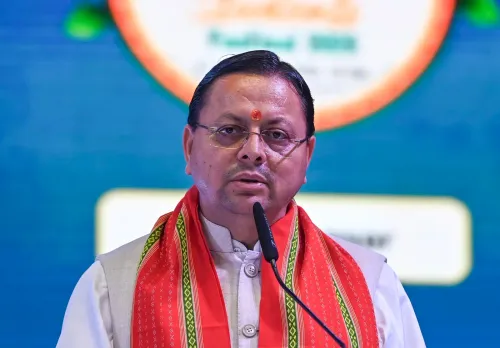
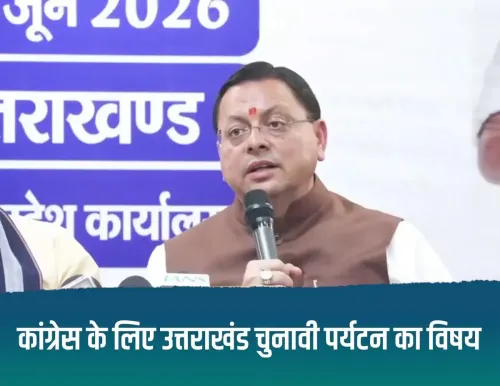
Uttarakhand CM Pushkar Singh Dhami accused Congress of opposing the Special Summary Revision voter-roll clean-up drive out of fear of electoral defeat, and of backing illegal infiltrators — sharpening BJP's border-state electoral narrative ahead of an anticipated poll cycle.
Key Takeaways
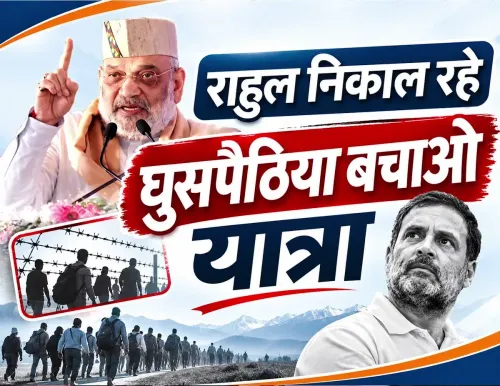
Uttarakhand CM Pushkar Singh Dhami posted on X on November 15, 2026 , accusing Congress of opposing the voter-roll revision process known as SIR (Special Summary Revision) .
He alleged that Congress's fear of electoral defeat is driving it to support 'infiltrators' — a term BJP uses for illegal immigrants allegedly on voter lists in border states.
The Special Summary Revision is a periodic Election Commission of India exercise to remove ineligible and duplicate entries from electoral rolls.
Uttarakhand borders Nepal and China , giving the illegal-immigration frame particular resonance in border districts.
Congress has historically opposed aggressive deletion drives, citing risks of disenfranchising legitimate voters lacking updated documentation.
Dhami's post signals that both parties are already positioning around the electoral roll exercise ahead of a potential poll cycle.
Fear of electoral defeat, charges Uttarakhand Chief Minister Pushkar Singh Dhami, has pushed the Congress party into openly opposing a legitimate electoral roll revision process — and, in his telling, into the corner of illegal infiltrators.
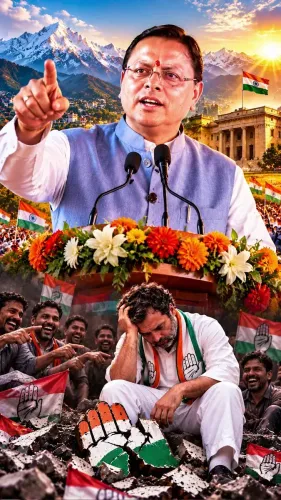
Posting on X on Sunday, November 15, 2026, Dhami wrote in Hindi: 'Chunavi haar ka dar Congress par is kadar haavi hai ki woh SIR jaisi chunavi prakriya ka virodh kar rahi hai aur ghusphaithiyon ka samarthan!' — 'The fear of electoral defeat has so overwhelmed Congress that it is opposing an electoral process like SIR and supporting infiltrators!'
What SIR Is — and Why It Sparks a Fight
The Special Summary Revision (SIR) is a periodic exercise conducted by the Election Commission of India to update and clean up electoral rolls — removing deceased, duplicate, or ineligible entries and enrolling newly eligible voters. The Commission has rolled out such drives across multiple states in recent years as part of intensive electoral roll hygiene efforts. For BJP-governed border states like Uttarakhand — which shares frontiers with Nepal and China — the exercise carries an additional political charge: the party has long argued that porous borders and inadequate documentation allow ineligible foreign nationals to slip onto voter lists.BJP's Border-State Framing vs. Congress's Due-Process Argument
Dhami's broadside fits a well-worn BJP playbook, but its deployment here is pointed. By coupling opposition to SIR with 'support for infiltrators,' he is essentially arguing that any party resisting a voter-list clean-up is protecting a manufactured vote bank of illegal immigrants — a charge BJP leaders have levelled nationally but which resonates with particular intensity in Uttarakhand's border districts. Congress, for its part, has historically pushed back on such drives on due-process grounds, arguing that aggressive deletions risk disenfranchising genuine voters — particularly migrants, seasonal labourers, and minority communities — who may lack updated address documentation. That counter-argument, in Dhami's framing, becomes evidence of complicity.The Electoral Stakes Behind the Rhetoric
The timing and sharpness of Dhami's post suggest the SIR exercise is live or imminent in the region, and that both parties are already in campaign mode around it. Uttarakhand has been a consistent BJP stronghold since 2017, and Dhami — who has anchored his tenure on signature positions like the Uniform Civil Code and anti-encroachment drives — routinely uses the illegal-immigration frame to consolidate the party's base ahead of any electoral cycle. For Congress, the challenge is familiar but no less awkward: opposing a technical Election Commission process without being painted as the party that wants ineligible names on the rolls. The next move belongs to the opposition — and to the Election Commission, whose response to any formal objections about the SIR process will determine whether this stays a Twitter fight or becomes a live electoral controversy.Point of View
He forces Congress into a defensive posture where any procedural objection can be characterised as anti-national vote-bank politics. This rhetorical frame has been effective in Uttarakhand's border constituencies, where anxieties about demographic change are tangible. The fact that Dhami deployed it unprompted — without an obvious news peg — suggests the SIR drive is either newly announced or facing organised opposition, and the BJP moved to pre-empt that narrative. Watch whether Congress responds on procedural grounds or escalates to a counter-charge around voter suppression — that choice will reveal which side thinks the frame works in their favour.
NationPress
15 Nov 2026
Frequently Asked Questions
What is SIR in Indian elections?
SIR stands for Special Summary Revision, a periodic process by the Election Commission of India to update electoral rolls — adding newly eligible voters and removing deceased, duplicate, or ineligible entries.
Why is CM Dhami accusing Congress of supporting infiltrators?
Dhami alleges that Congress's opposition to the SIR voter-roll clean-up is motivated by a desire to protect ineligible foreign nationals — whom BJP labels 'infiltrators' — who may be enrolled as voters in border states like Uttarakhand.
What is Congress's objection to voter roll revision drives?
Congress has historically argued that aggressive deletion exercises risk removing legitimate voters — especially migrants, seasonal workers, and minority community members — who may not have updated address records.
Why does the infiltrator argument carry weight in Uttarakhand specifically?
Uttarakhand shares borders with Nepal and China, and BJP has long contended that porous borders and weak documentation allow ineligible foreign nationals to appear on voter lists in border districts, making electoral roll accuracy a politically charged issue.
What could happen next in this controversy?
The Election Commission's formal response to any objections about the SIR process, and Congress's public counter-argument, will determine whether this remains a political social-media exchange or escalates into a formal electoral dispute.