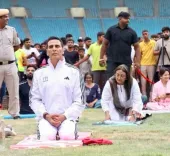
CM Dhami Announces Yoga Research Grants, 5 New Hubs in Uttarakhand
Synopsis
The Uttarakhand government has announced grants of up to ₹10 lakh for research in yoga, meditation, and naturopathy, the creation of five new yoga hubs, and mandatory yoga services at all AYUSH Health and Wellness Centres, as stated by Chief Minister Pushkar Singh Dhami on International Day of Yoga 2026.
Key Takeaways
The Uttarakhand government has provisioned grants of up to ₹10 lakh each to encourage research and study in yoga, meditation, and naturopathy.
Five new yoga hubs are being established across Uttarakhand to expand dedicated wellness infrastructure.
Yoga services will be made available at all AYUSH Health and Wellness Centres in the state.
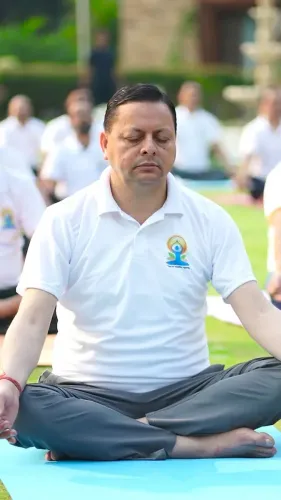
The announcement was made by Chief Minister Pushkar Singh Dhami on International Day of Yoga, 21 June 2026 .
The initiative aligns with the National AYUSH Mission and the Ayushman Bharat framework for integrating traditional medicine into primary care.
Uttarakhand , home to globally recognised yoga centres in Rishikesh and Haridwar , is reinforcing its position as India's foremost wellness destination.
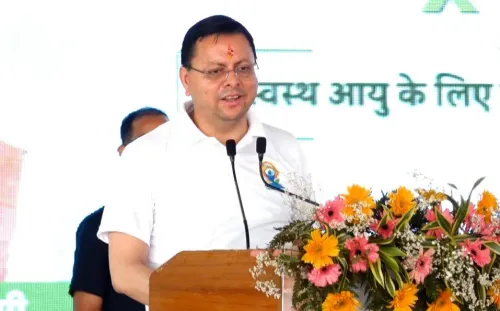
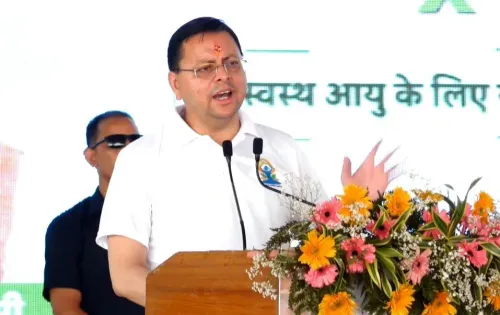
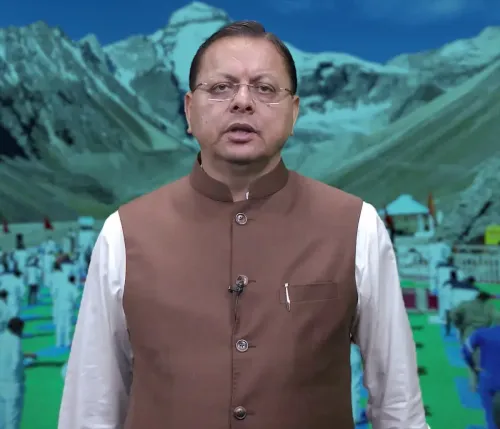
The Chief Minister's Office of Uttarakhand on Sunday, 21 June 2026 shared a statement by Chief Minister Pushkar Singh Dhami announcing a grant of up to ₹10 lakh for research in yoga, meditation, and naturopathy, alongside the establishment of five new yoga hubs across the state and mandatory yoga services at all AYUSH Health and Wellness Centres.
Context
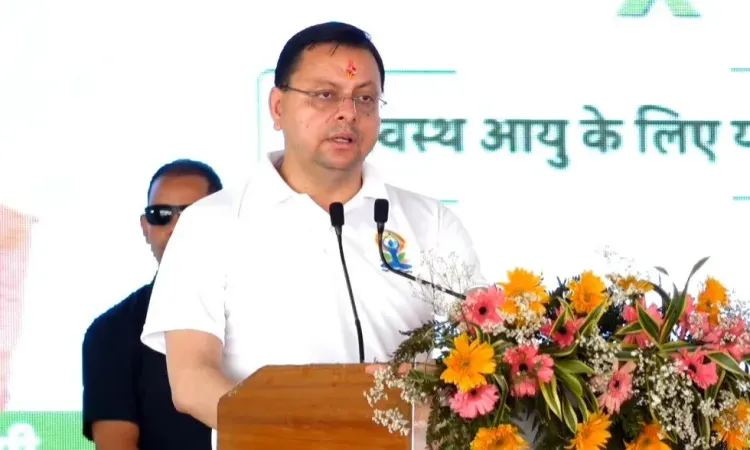
Speaking on the occasion of International Day of Yoga, CM Dhami stated — 'योग, ध्यान एवं प्राकृतिक चिकित्सा के क्षेत्र में शोध और अध्ययन को प्रोत्साहित करने हेतु हमारी सरकार द्वारा ₹10 लाख तक के अनुदान का प्रावधान किया गया है' ('Our government has made a provision of grants of up to ₹10 lakh to encourage research and study in the fields of yoga, meditation, and naturopathy'). The announcement was made as the state and nation marked the annual yoga observance, first declared by the United Nations General Assembly in 2014 and observed every year since 2015.
The Chief Minister added that five new yoga hubs are being established in the state, and that yoga services are being ensured at all AYUSH Health and Wellness Centres operating under the state's public health network.
Policy Backdrop
Uttarakhand has long positioned itself as India's foremost wellness destination, anchored by globally recognised centres in Rishikesh and Haridwar. The state's move aligns with the National AYUSH Mission, a centrally sponsored scheme launched in 2014 that funds infrastructure development and integration of traditional medicine into public health delivery.
The Ministry of AYUSH, established in 2014, has steadily pushed for mainstreaming yoga, Ayurveda, and naturopathy within the national health architecture. AYUSH Health and Wellness Centres were created under the Ayushman Bharat framework to bring these services to primary care level, and states are expected to staff and activate them with trained practitioners. The post-2020 focus on immunity and preventive health gave further momentum to AYUSH funding at both central and state levels.
Stakeholders and Impact
The research grant of up to ₹10 lakh is expected to benefit academic institutions, individual researchers, and yoga practitioners seeking to formalise their work in yoga science and naturopathy. By creating a financial incentive for evidence-based study, the government aims to build a documented knowledge base that can strengthen policy and clinical integration.
Rural communities and wellness tourists stand to gain from the expansion of yoga services across AYUSH Health and Wellness Centres, bringing structured preventive care closer to underserved populations. The five new yoga hubs, once operational, could also reinforce Uttarakhand's identity as a destination for wellness tourism, with downstream benefits for local economies in the hills.
What's Next
Attention will now turn to the disbursement process for the research grants — including selection criteria, the administering body, and timelines for the first round of funding. The operationalisation of the five new yoga hubs and their geographic spread across the state will be closely watched by practitioners and policymakers alike.
Annual reporting on yoga service coverage at AYUSH wellness centres will serve as a key metric for evaluating the reach of this initiative. If the state delivers on these commitments, Uttarakhand could emerge as a replicable model for other Himalayan and hill states seeking to integrate traditional wellness systems into public health infrastructure.
Point of View
The Uttarakhand government also signals intent to move yoga from aspirational branding to routine primary care delivery. The test will be in implementation: grant disbursement timelines and the actual operationalisation of the five hubs will determine whether this is a durable policy shift or a ceremonial declaration timed to the yoga calendar.
NationPress
21 Jun 2026
Frequently Asked Questions
What is the yoga research grant announced by the Uttarakhand government?
The Uttarakhand government has announced grants of up to ₹10 lakh each to encourage research and study in yoga, meditation, and naturopathy, as stated by Chief Minister Pushkar Singh Dhami on 21 June 2026.
How many new yoga hubs is Uttarakhand setting up?
Uttarakhand is establishing five new yoga hubs across the state as part of the government's expanded wellness infrastructure push announced by CM Dhami.
Will AYUSH Health and Wellness Centres offer yoga services in Uttarakhand?
Yes, the Uttarakhand government has stated that yoga services will be made available at all AYUSH Health and Wellness Centres operating in the state.
What is the National AYUSH Mission and how does it relate to this announcement?
The National AYUSH Mission is a centrally sponsored scheme launched in 2014 to fund traditional medicine infrastructure and services. Uttarakhand's yoga hubs and wellness centre integration align with the mission's goals of mainstreaming AYUSH in public health delivery.
Why is Uttarakhand significant for yoga and wellness initiatives?
Uttarakhand is home to globally recognised yoga and naturopathy centres in Rishikesh and Haridwar, making it a natural anchor for India's wellness tourism sector and a key state for AYUSH policy implementation.