CM Dhami Approves ₹496 Crore for Uttarakhand Development
Synopsis
Chief Minister Pushkar Singh Dhami has sanctioned ₹496 crore for various development works in Uttarakhand. The approval, announced by the CMO on 24 October 2026, continues the state's pattern of incremental multi-sector infrastructure spending across its Himalayan districts.
Key Takeaways
₹496 crore approved by CM Pushkar Singh Dhami for development works in Uttarakhand .
Announcement made by the Chief Minister's Office on 24 October 2026 .
Funds cover 'various development works' — a sector-wise and district-wise breakup is yet to be released.
Dhami has led the BJP government in Uttarakhand since 2021 , with a consistent focus on infrastructure investment.
The approval follows the state's established model of clearing multi-sector, multi-district project bundles in a single tranche.
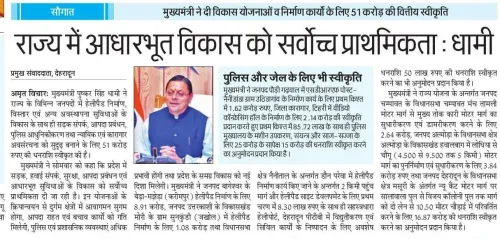
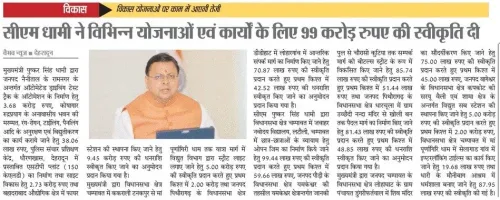
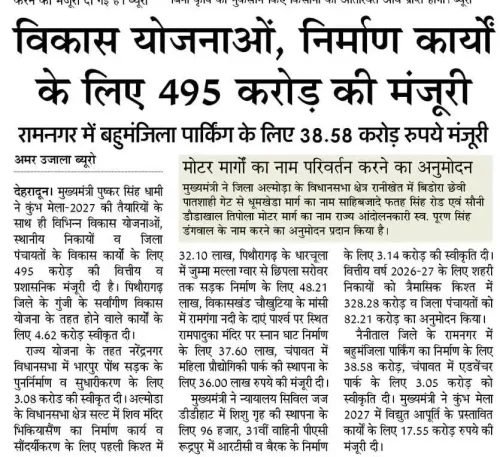
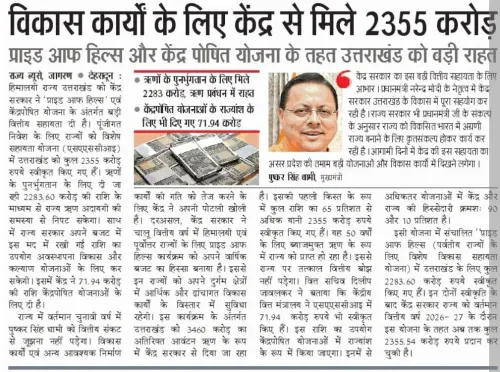
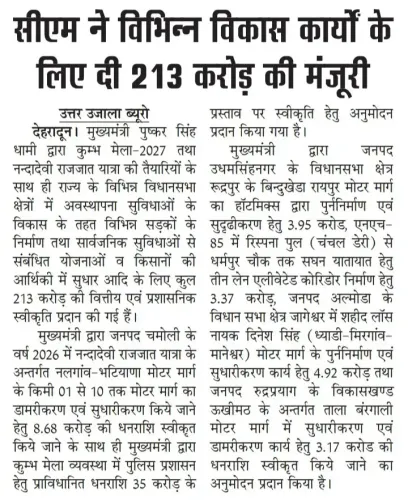
Nearly half a billion rupees is now in motion. Chief Minister Pushkar Singh Dhami of Uttarakhand has approved ₹496 crore for a range of development projects across the state, the Chief Minister's Office announced on Saturday, 24 October 2026.
The Chief Minister's Office posted on X: 'मुख्यमंत्री श्री पुष्कर सिंह धामी ने विभिन्न विकास कार्यों के लिए किए ₹ 496 करोड़ मंजूर।' — ('Chief Minister Shri Pushkar Singh Dhami has approved ₹496 crore for various development works.')
Dhami's Infrastructure Push in the Himalayas
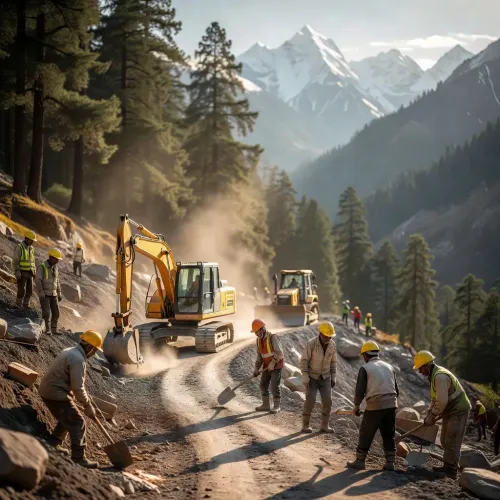
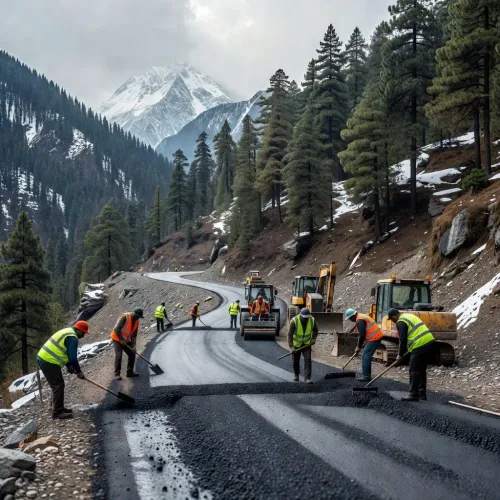
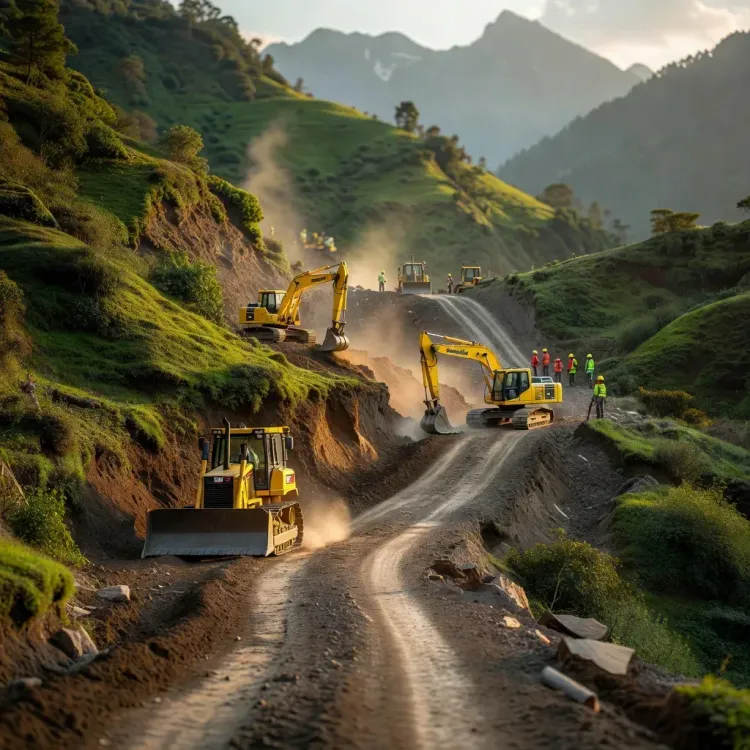
Dhami, who has led Uttarakhand's BJP government since 2021, has consistently channelled multi-crore allocations toward closing connectivity and civic service gaps in the state's mountainous districts. The Himalayan terrain makes roads, water supply, power infrastructure, and urban amenities significantly more expensive and complex to build and maintain than in the plains.
This latest ₹496 crore sanction fits a well-established pattern: the state government periodically clears bundles of district-level projects spanning multiple sectors rather than anchoring spending to a single flagship scheme. The approach allows funds to flow simultaneously to roads, drinking water pipelines, power distribution, and local civic works — spreading the development footprint across a state where geography itself is the biggest obstacle.
What the ₹496 Crore Means for Residents
The immediate beneficiaries are Uttarakhand's residents — particularly those in remote hill districts who have long waited on state capital allocations to see tangible improvements in daily infrastructure. A project-wise and district-wise breakup from the implementing departments will determine exactly which communities see the first shovels in the ground.
At ₹496 crore, the package is substantial for a state whose terrain makes every rupee of infrastructure spending work harder than average. The figure underscores the administration's stated priority of accelerating development work ahead of the region's demanding winter season, when construction windows shrink sharply at higher altitudes.
Point of View
It reinforces his administration's narrative of sustained development delivery, a key electoral asset in a state where infrastructure deprivation has historically driven out-migration. The absence of a project-wise breakup in the announcement, however, limits public accountability; the real test will be implementation timelines and whether disbursements reach the most connectivity-starved districts. Politically, large-number announcements with delayed detail are a familiar tool across state governments to maintain momentum optics between budget cycles.
NationPress
24 Oct 2026
Frequently Asked Questions
How much has CM Dhami approved for development in Uttarakhand?
₹496 crore has been approved by Chief Minister Pushkar Singh Dhami for various development works across Uttarakhand, as announced by the CMO on 24 October 2026 .
What projects will the ₹496 crore fund in Uttarakhand?
The official announcement describes the funds as covering 'various development works.' A sector-wise and project-wise breakdown had not been released at the time of the announcement.
Who is Pushkar Singh Dhami?
Pushkar Singh Dhami is the Chief Minister of Uttarakhand , leading the BJP -led state government since 2021 .
Why does Uttarakhand need large infrastructure allocations?
Uttarakhand's Himalayan terrain makes roads, water supply, power, and civic infrastructure significantly more expensive and difficult to build, leaving many hill districts with persistent connectivity and service gaps that require regular state funding.
When was the ₹496 crore approval announced?
The approval was announced on Saturday, 24 October 2026 by the Chief Minister's Office of Uttarakhand via an official post on X.