CM Dhami Approves Rs 213 Crore for Uttarakhand Development
Synopsis
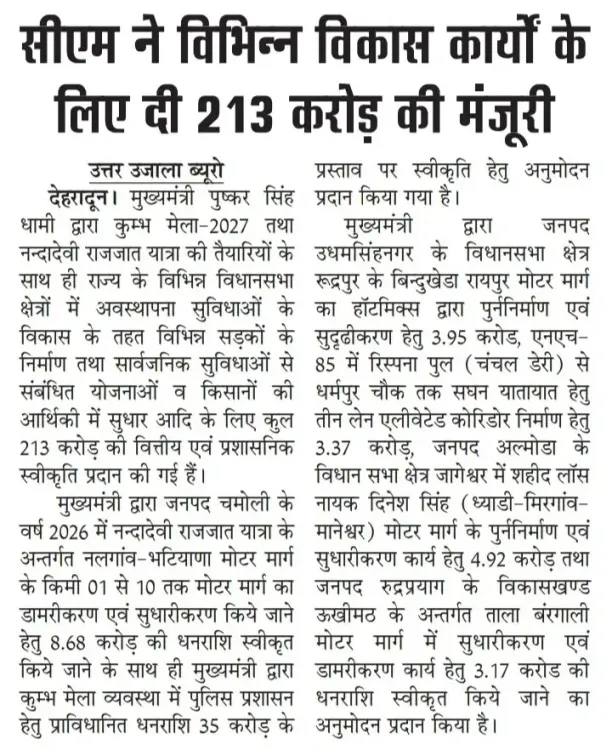
Chief Minister Pushkar Singh Dhami has approved Rs 213 crore in financial sanctions for development works across Uttarakhand, the state's Chief Minister's Office announced on June 5, 2026, continuing the administration's pattern of capital expenditure releases for infrastructure in hilly districts.
Key Takeaways
Rs 213 crore in financial approval has been granted by CM Pushkar Singh Dhami for development works in Uttarakhand .
The announcement was made by the Chief Minister's Office of Uttarakhand on June 5, 2026 .
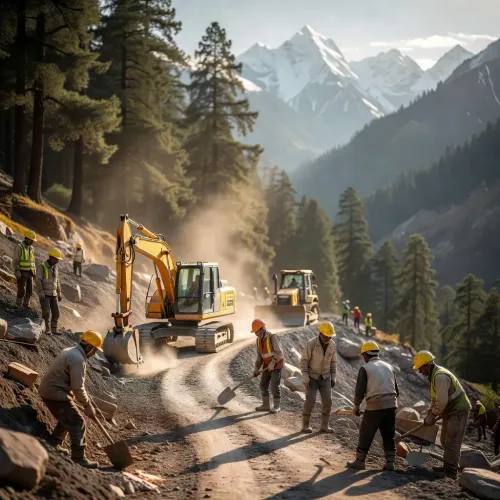
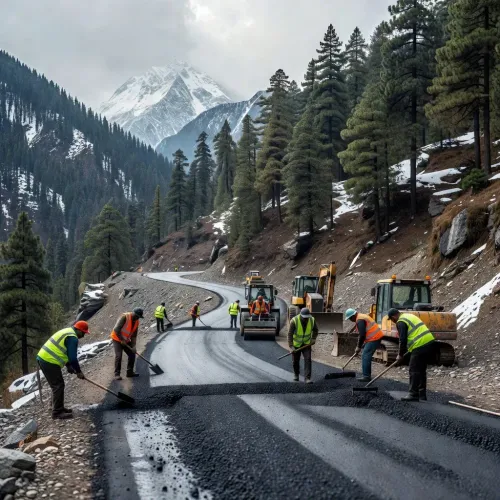
The sanction covers 'various development works' — consistent with Uttarakhand's pattern of approvals for roads, water supply, and public facilities.
Financial sanctions of this nature authorise departments to initiate tendering and project implementation under state capital expenditure norms.
Residents in hilly and remote districts of Uttarakhand are the primary intended beneficiaries.
District-level tender announcements and implementation monitoring are expected as the next administrative steps.
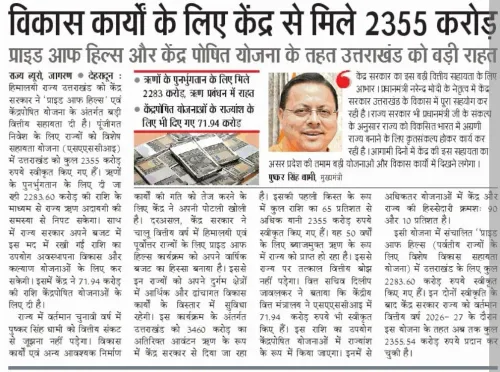
The Chief Minister's Office of Uttarakhand announced on Friday, June 5, 2026, that Chief Minister Pushkar Singh Dhami has granted financial approval of Rs 213 crore for various development works across the state.
Context
The official post from the Chief Minister's Office states: 'Mukhyamantri Shri Pushkar Singh Dhami ne vibhinn vikas karyon hetu pradan ki Rs 213 crore ki vittiya svikrti' — Chief Minister Pushkar Singh Dhami has granted financial approval of Rs 213 crore for various development works. The announcement signals a fresh tranche of capital expenditure directed at the Himalayan state, which has consistently prioritised infrastructure upgrades since its formation in 2000.
Policy Backdrop
Indian state governments routinely channel budgetary allocations through the Chief Minister's office as part of annual capital expenditure execution. Uttarakhand, with its challenging hilly terrain, has maintained a steady pattern of such approvals covering roads, water supply infrastructure, and public facilities in remote districts. These financial sanctions represent formal authorisation for departments to proceed with tendering and project implementation, a standard step in state-level public finance management.
Pushkar Singh Dhami, who has served as Chief Minister since 2021 under the state's BJP government, has overseen multiple rounds of such development-fund releases as part of the administration's broader infrastructure push in the region.
Stakeholders and Impact
The primary beneficiaries of this approval are Uttarakhand's residents, particularly those in districts where infrastructure gaps remain acute due to the state's mountainous geography. Project contractors and local construction ecosystems are also direct stakeholders, as financial sanctions unlock procurement and tender processes. Development works in hilly states typically span road connectivity, drinking water schemes, and community facilities — categories that have historically dominated Uttarakhand's capital budget.
For state residents, especially in rural and semi-urban pockets, such approvals translate into improved access to basic services and connectivity, both of which carry significant economic and social weight in a terrain where infrastructure delivery is logistically demanding.
What's Next
Following a financial sanction of this scale, the standard administrative sequence involves district-level tender announcements, contractor selection, and phased implementation monitored by the respective line departments. Observers and legislators will watch for follow-up disclosures detailing how the Rs 213 crore is distributed across sectors and districts. Progress on these works is also likely to feature in forthcoming Uttarakhand assembly budget discussions and departmental reviews. Timely execution will be a key benchmark for the Dhami administration's development record heading into the next electoral cycle.
Point of View
Which serve the dual purpose of advancing infrastructure delivery and signalling administrative momentum. For a state where geography complicates project execution, the real test lies not in the sanction itself but in on-ground disbursement and completion rates. Coming in June 2026, the timing aligns with the post-budget implementation window when state departments are expected to accelerate spending before the fiscal year's midpoint review. Consistent follow-through on such approvals will be central to how the Dhami administration frames its development record ahead of the next state election cycle.
NationPress
20 Oct 2026
Frequently Asked Questions
What is the Rs 213 crore approved by CM Dhami for?
Chief Minister Pushkar Singh Dhami has granted financial approval of Rs 213 crore for various development works across Uttarakhand, as announced by the Chief Minister's Office on June 5, 2026. The funds are expected to cover infrastructure projects such as roads, water supply, and public facilities in the state.
Who is Pushkar Singh Dhami?
Pushkar Singh Dhami is the Chief Minister of Uttarakhand, serving since 2021 under the state's BJP government. He heads the Chief Minister's Office from which this financial sanction was announced.
How does Uttarakhand's financial sanction process work?
In Uttarakhand and other Indian states, financial sanctions are formal approvals issued through the Chief Minister's office that authorise departments to proceed with tendering and spending on approved projects. They are a standard step in state capital expenditure management.
Which districts in Uttarakhand will benefit from this Rs 213 crore?
The official announcement does not specify individual districts. However, Uttarakhand's development fund approvals have historically targeted hilly and remote districts where infrastructure gaps in roads, water supply, and public amenities are most acute.
What happens after a financial sanction is issued in Uttarakhand?
After a financial sanction, the standard process involves district-level tender announcements, contractor selection, and phased project implementation monitored by the relevant line departments. Progress is typically reviewed in assembly budget discussions and departmental audits.