CM Dhami joins Chhath Puja celebrations in Khatima
Synopsis
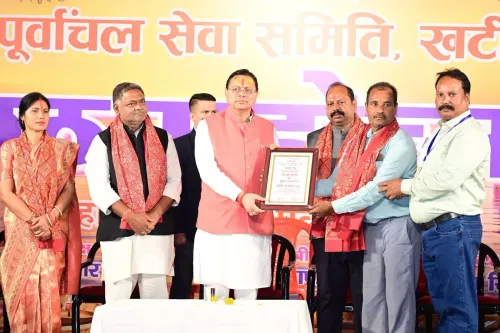
Uttarakhand Chief Minister Pushkar Singh Dhami joined Chhath Puja festivities in Khatima, Udham Singh Nagar on November 15, 2026, highlighting the festival's growing presence among migrant communities in the state's terai belt.
Key Takeaways
CM Pushkar Singh Dhami participated live in Chhath Puja celebrations in Khatima, Udham Singh Nagar on November 15, 2026 .
Chhath Puja is a Hindu festival dedicated to the Sun God, traditionally observed by communities from Bihar , eastern Uttar Pradesh , and Jharkhand .
Udham Singh Nagar has seen significant inward migration from eastern India since the early 2000s, raising the festival's profile in the district.
State leaders joining Chhath celebrations is a wider pattern across north India, reflecting political outreach to Purvanchali migrant communities.
Khatima holds particular political significance for CM Dhami , making his appearance there symbolically notable beyond the ceremonial.
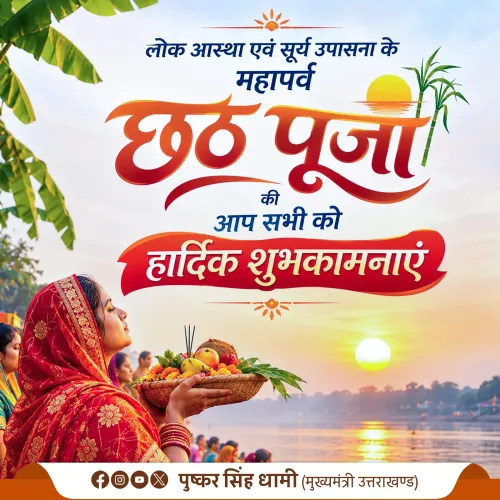
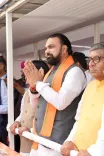
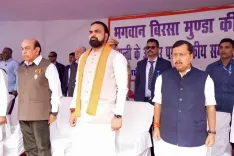
On the banks of faith in Khatima, Udham Singh Nagar, Uttarakhand Chief Minister Pushkar Singh Dhami stepped into the heart of one of eastern India's most beloved festivals — joining devotees live at the Chhath Puja celebrations on Sunday, November 15, 2026.
Chhath Puja's quiet foothold in Uttarakhand's terai belt
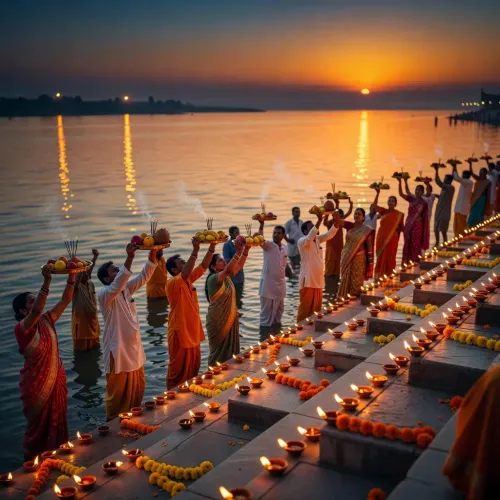
Udham Singh Nagar sits at a cultural crossroads. Bordering Uttar Pradesh, this largely agricultural and industrial district has drawn steady waves of migrants from Bihar, eastern Uttar Pradesh, and Jharkhand since the early 2000s — communities who brought Chhath Puja with them. Today, the festival — a four-day observance dedicated to the Sun God (Surya) and his consort Chhathi Maiya — resonates through ghats and open grounds across towns like Khatima with the same fervour it commands in Patna or Varanasi.
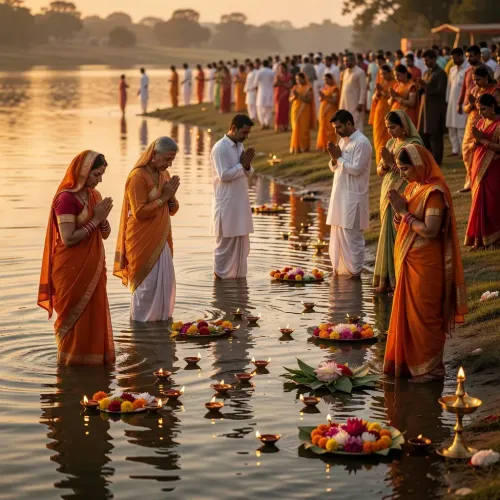
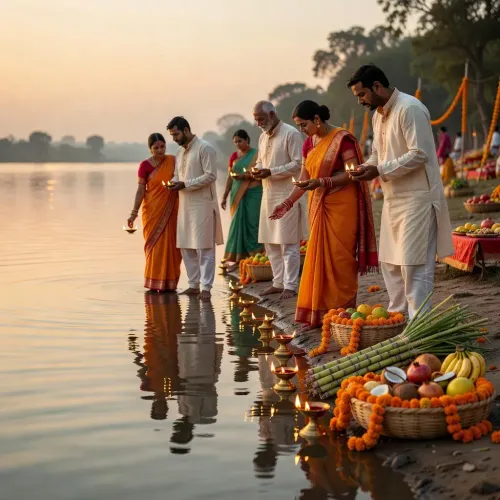
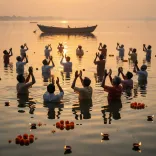
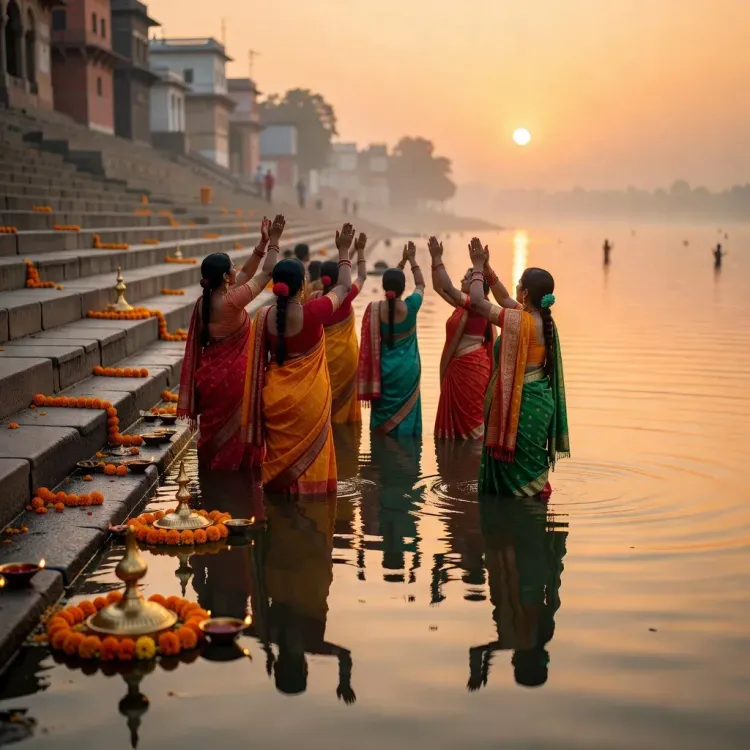
Chhath is notably demanding in its rigour: devotees observe extended fasting, stand waist-deep in water at sunrise and sunset, and offer arghya (ritual offering) to the sun. Its growing visibility in a Himalayan-gateway district like Udham Singh Nagar speaks directly to how migration reshapes cultural geography.
Why a CM's presence at the ghat matters
Indian state leaders joining Chhath Puja has become a recognisable political and social ritual in its own right — an acknowledgement of migrant communities whose numbers, votes, and labour underpin regional economies. For CM Dhami, appearing in Khatima — a constituency with deep personal political resonance for him — carries both ceremonial and strategic weight. His participation signals the state's embrace of a festival that, a generation ago, would have been considered distinctly 'non-local' in Uttarakhand's hills.
The BJP has consistently worked to consolidate support among Purvanchali and Bihari migrant communities across north India, and high-profile festival appearances by party leaders are a consistent part of that outreach.
As the sun dips and lamps float on the water in Udham Singh Nagar, the message from Dhami's presence is clear: in a state built on migration, no community's festival is a footnote.
Point of View
Particularly Udham Singh Nagar, represent a demographic frontier where cultural politics and vote-bank arithmetic overlap. The choice of Khatima — Dhami's own political home turf — reinforces that this is as much about constituency-level consolidation as it is statewide optics. As the 2027 Uttarakhand assembly election cycle begins to take shape, every ghat appearance will be read through that lens.
NationPress
15 Nov 2026
Frequently Asked Questions
Why did CM Pushkar Singh Dhami attend Chhath Puja in Khatima?
CM Dhami attended the Chhath Puja celebrations in Khatima, Udham Singh Nagar to participate in the festival alongside local devotees and migrant communities from Bihar and eastern Uttar Pradesh who observe the festival in the region.
What is Chhath Puja and why is it celebrated?
Chhath Puja is a Hindu festival dedicated to the Sun God and his consort Chhathi Maiya. Devotees observe strict fasting, offer ritual prayers at sunrise and sunset near water bodies, and seek blessings for health and prosperity.
Is Chhath Puja celebrated in Uttarakhand?
Yes, Chhath Puja has grown significantly in Uttarakhand, especially in Udham Singh Nagar district, due to large-scale migration from Bihar, eastern UP, and Jharkhand since the early 2000s.
What is the significance of Khatima for CM Dhami?
Khatima is a town in Udham Singh Nagar district and holds deep political significance for Pushkar Singh Dhami, who has strong roots and a voter base there.
Which communities celebrate Chhath Puja in Udham Singh Nagar?
Migrant communities from Bihar, eastern Uttar Pradesh, and Jharkhand settled in Udham Singh Nagar primarily observe Chhath Puja, alongside local residents who have adopted the festival over the years.