CM Dhami Greets Uttarakhand on Chhath Mahaparv
Synopsis
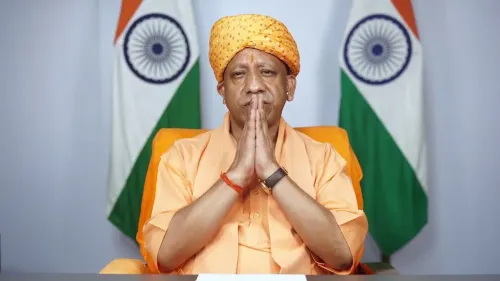
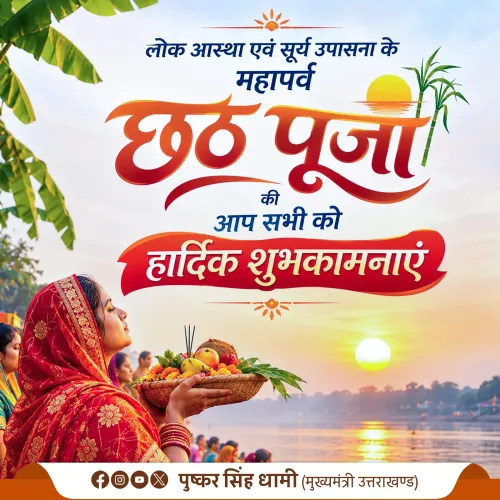
Uttarakhand Chief Minister Pushkar Singh Dhami greeted citizens on Chhath Mahaparv on 15 November 2026, calling the festival a timeless symbol of faith, nature-worship, and social unity that transcends geography, language, and regional diversity.
Key Takeaways
CM Pushkar Singh Dhami posted a Chhath Mahaparv message on 15 November 2026 .
He described Chhath as more than a religious ritual — a festival of unbreakable faith, spiritual discipline, and gratitude towards nature.
Dhami highlighted the festival's power to unite society across geographic distances, languages, and regional diversities.
Chhath is rooted in Bihar and Uttar Pradesh but is observed widely by migrant communities across India and abroad.
Uttarakhand's rivers, including the Ganga, host Chhath observances among the state's diverse resident communities.
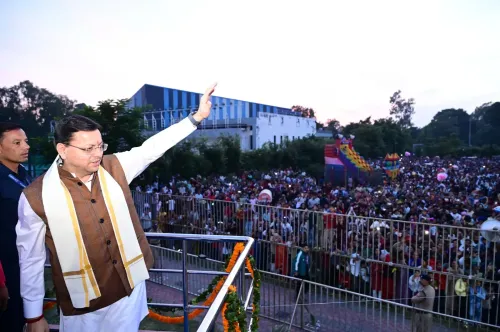
Beyond ritual and religion, Chhath Mahaparv carries something rarer — the power to dissolve geography, language, and regional identity into a single, shared act of devotion. Uttarakhand Chief Minister Pushkar Singh Dhami marked the festival on Sunday, 15 November 2026, with a heartfelt message on X celebrating it as a living symbol of that unity.
Writing in Hindi, CM Dhami described Chhath as 'केवल एक धार्मिक अनुष्ठान नहीं' — 'not merely a religious ritual' — but a mahapарv of unbreakable faith, spiritual discipline, and gratitude towards nature. He invoked the image of vratis (devotees observing the strict fast) whose arduous penance and complete purity, he said, fill the heart with reverence and devotion.
A festival that travels further than any border
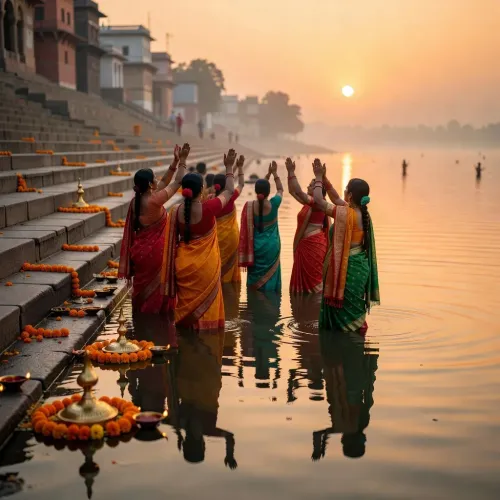
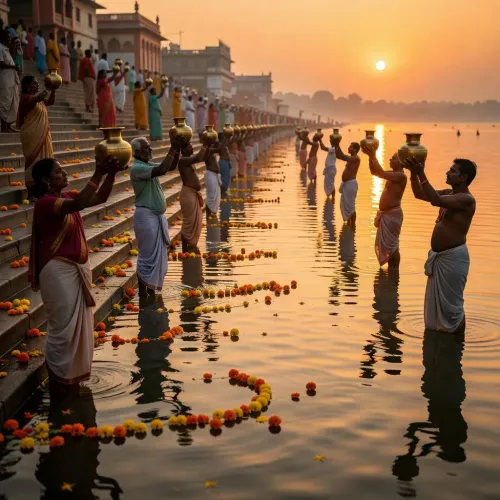
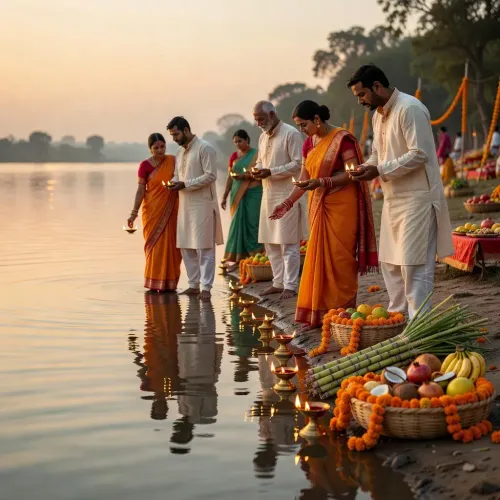
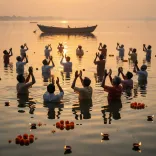
Chhath's heartland is Bihar and eastern Uttar Pradesh, but its reach has long outrun those boundaries. Migrant communities spread across Indian cities — and the world — carry the four-day ritual with them, setting up makeshift ghats on rivers, lakes, and even urban rooftops to offer arghya (water offering) to the rising and setting sun. CM Dhami's post captures exactly that phenomenon: a tradition that, in his words, rises above geographical distances, languages, and regional diversities to bind society in a single thread of faith, warmth, and brotherhood.
Chhath in the Himalayan state
Uttarakhand has its own rich tapestry of Himalayan festivals, yet sections of its population — including migrant workers and communities from Bihar and UP who have settled in the state's towns and cities — observe Chhath with full fervour along the banks of the Ganga and other rivers. By acknowledging the festival formally, Dhami aligns the state's official cultural calendar with the lived reality of a diverse electorate.
Indian state leaders routinely mark major festivals as moments to project inclusive governance, and Chhath — with its non-hierarchical, priest-free structure and its direct communion with nature — lends itself especially well to that message. The festival asks for no intermediary; a devotee stands alone at the water's edge and offers gratitude directly to the sun. That image of quiet, collective austerity is what CM Dhami's post places at the centre of Uttarakhand's public square today.
Point of View
Reinforcing both religious sentiment and governance optics ahead of any electoral cycle.
NationPress
15 Nov 2026
Frequently Asked Questions
What is Chhath Mahaparv and why is it significant?
Chhath Mahaparv is a Hindu festival dedicated to the Sun God, observed over four days with strict fasting, ritual bathing, and offerings of water to the rising and setting sun. It is one of India's oldest festivals and is notable for being largely priest-free, with devotees conducting rituals directly at water bodies as an expression of gratitude to nature.
Why did CM Dhami post about Chhath when it is mainly a Bihar and UP festival?
Uttarakhand has a significant migrant population from Bihar and Uttar Pradesh who observe Chhath. As Chief Minister, Dhami regularly marks major national festivals to reflect the cultural diversity of the state's residents and to project inclusive governance.
What did CM Dhami say about Chhath Mahaparv?
CM Dhami described Chhath as not merely a religious ritual but a festival of unbreakable faith, spiritual discipline, and gratitude towards nature. He said the devotion of fasting worshippers fills the heart with reverence, and that Chhath symbolises a glorious tradition that unites society across geographic distances, languages, and regional diversities.
Is Chhath celebrated in Uttarakhand?
Yes. While Chhath is most deeply rooted in Bihar and eastern Uttar Pradesh, it is observed in Uttarakhand — particularly along the Ganga and other rivers — by migrant communities and residents who have settled in the state's towns and cities.
How does CM Dhami typically mark major Hindu festivals?
CM Dhami regularly posts greetings and reflective messages on major Hindu and national festivals, using them to emphasise themes of faith, cultural heritage, social cohesion, and inclusive governance — a common practice among Indian state leaders.