CM Dhami Reaffirms 'Double Engine' Governance Commitment
Synopsis
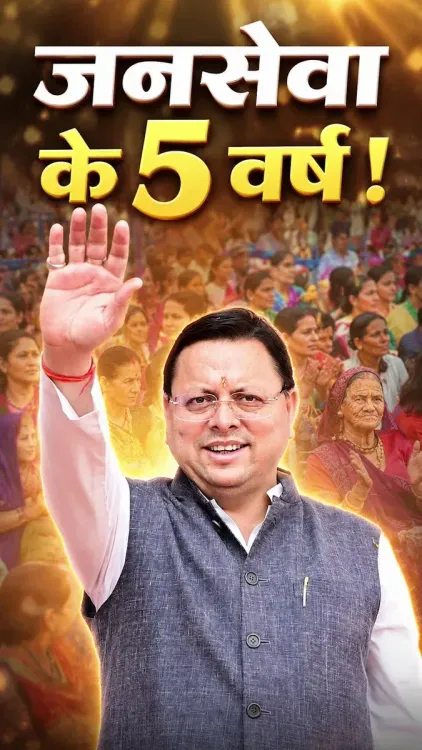
Uttarakhand CM Pushkar Singh Dhami on 10 July 2026 reaffirmed his government's dedication to public service under the BJP's 'double engine' governance model, tagging PM Modi, Amit Shah, and the party's national and state handles in a Hindi social media post.
Key Takeaways
CM Pushkar Singh Dhami posted on 10 July 2026 reaffirming the 'double engine' governance model for Uttarakhand .
The post invoked three BJP governance pillars: seva (service), samarpan (dedication), and sushasan (good governance).
The message was directed at PM Narendra Modi , Home Minister Amit Shah , the PMO , and BJP's national and state handles .
Uttarakhand has been under BJP governance since 2017 , aligning it with the BJP-led Centre.
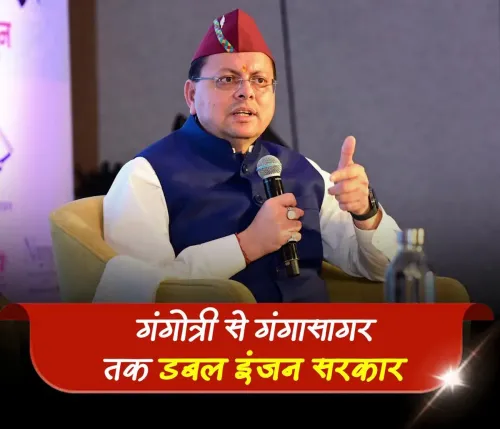
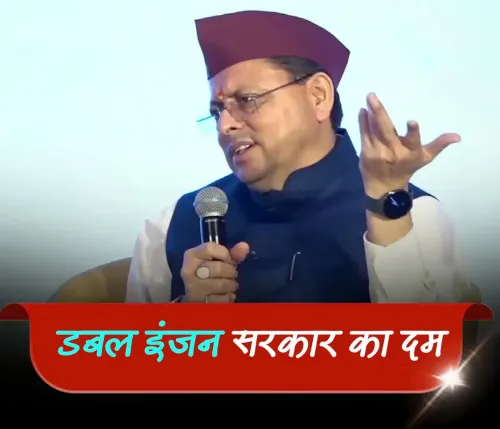
The 'double engine' concept, popularised from 2014 , argues that same-party Centre-state rule accelerates welfare delivery.
No specific new policy or scheme was announced in the post.
Uttarakhand Chief Minister Pushkar Singh Dhami on Friday, 10 July 2026, took to social media to reaffirm his government's commitment to public service, invoking the ruling party's signature 'double engine' governance framework. The post, directed at senior central leadership including Prime Minister Narendra Modi and Union Home Minister Amit Shah, underscored the Uttarakhand government's stated alignment with the BJP-led central administration in New Delhi.
Context
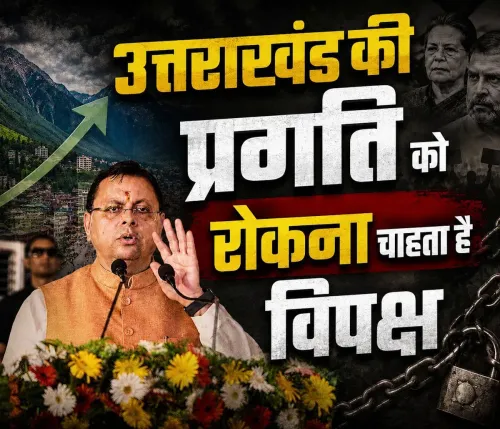
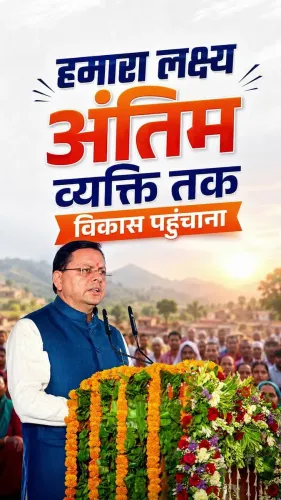
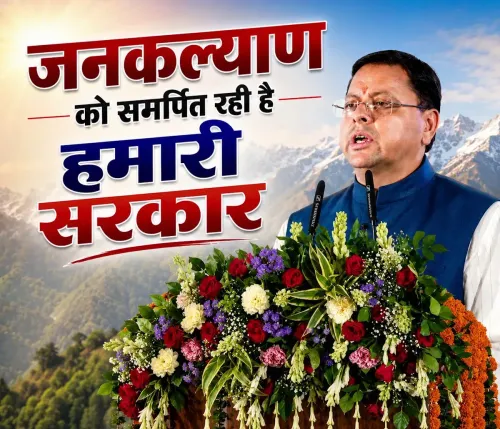
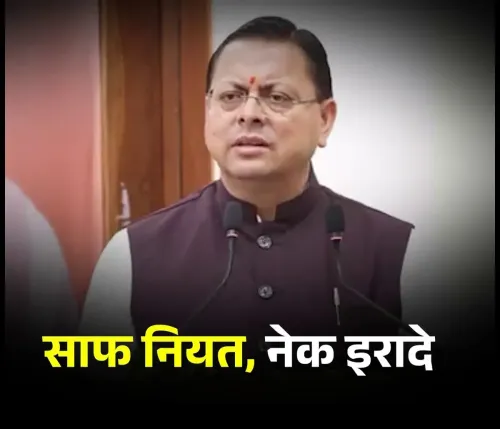
CM Dhami posted in Hindi: 'seva, samarpan aur sushasan ke path par hamari double engine sarkar nirantar janseva ke liye samarpit hai' — translating to 'Our double engine government is continuously dedicated to public service on the path of service, dedication, and good governance.' The message was addressed to the Prime Minister's Office, BJP's national handle, and BJP's Uttarakhand unit, signalling both an internal party communication and a public affirmation of governance priorities.
The post carries no specific policy announcement but reinforces the political narrative that Uttarakhand and the Centre operate in coordinated tandem under BJP rule.
Policy Backdrop
The 'double engine' formulation became a central plank of BJP's electoral communication from the 2014 Lok Sabha elections onward, arguing that states governed by the same party as the Centre benefit from smoother implementation of welfare schemes and infrastructure funding. Uttarakhand has been under BJP governance since 2017, making it one of the longer-running examples of this alignment.
The three pillars cited by CM Dhami — seva (service), samarpan (dedication), and sushasan (good governance) — are recurring themes in BJP's administrative messaging and have been used consistently across multiple BJP-governed states to project administrative efficiency and people-centric delivery.
Stakeholders and Impact
The primary audience for this messaging is Uttarakhand's population, which depends on coordinated Centre-state delivery for welfare programmes spanning rural development, road connectivity, and tourism infrastructure — sectors the state has prioritised. The communication also reinforces party cadre morale and signals unity within BJP's federal structure.
For residents of Uttarakhand, the practical measure of such commitments lies in the rollout of centrally sponsored schemes at the state level, where alignment between state and central governments can accelerate fund disbursement and project clearances.
What's Next
Political observers will watch whether this reaffirmation precedes any concrete policy announcement or scheme launch in Uttarakhand, particularly as the state continues to position itself as a model for BJP's governance narrative ahead of future electoral cycles. The consistent use of 'double engine' language by state chief ministers suggests the framework remains a live political asset for the party at both state and national levels.
Point of View
Amit Shah, and party handles transforms a routine affirmation into a visible signal of loyalty within the BJP hierarchy. This pattern, repeated across BJP-governed states since 2014, serves a dual purpose: communicating administrative intent to voters and demonstrating intra-party cohesion to the organisation. As Uttarakhand eyes future electoral cycles, such messaging keeps the state's political narrative tightly aligned with the national party brand.
NationPress
9 Oct 2026
Frequently Asked Questions
What is the 'double engine' government concept in India?
The 'double engine' government concept refers to the BJP's argument that states governed by the same party as the Centre benefit from better coordination, faster scheme implementation, and smoother funding flows. It was popularised by the BJP from the 2014 Lok Sabha elections onward.
What did CM Pushkar Singh Dhami post on 10 July 2026?
CM Dhami posted in Hindi reaffirming that his 'double engine government' is continuously dedicated to public service on the path of service, dedication, and good governance, tagging PM Modi, Amit Shah, and BJP's national and Uttarakhand handles.
When did BJP come to power in Uttarakhand?
BJP formed the government in Uttarakhand after the 2017 state assembly elections, aligning the state with the BJP-led central government in New Delhi.
What does 'sushasan' mean in BJP's governance messaging?
'Sushasan' is a Hindi term meaning 'good governance.' Along with 'seva' (service) and 'samarpan' (dedication), it forms a core triad in BJP's administrative communication used across multiple BJP-governed states.
Who did CM Dhami tag in his governance post?
CM Dhami tagged Prime Minister Narendra Modi, Union Home Minister Amit Shah, Defence Minister Rajnath Singh, the PMO India account, and BJP's national and Uttarakhand handles in his post.