CM Dhami Highlights Social Media Role in Promoting Uttarakhand Culture
Synopsis
Chief Minister Pushkar Singh Dhami has highlighted social media's role in promoting Devbhoomi Uttarakhand's culture, traditions, folk art, attire, and cuisine globally, reinforcing his administration's digital-first approach to heritage and tourism outreach.
Key Takeaways
CM Pushkar Singh Dhami posted on 25 May 2026 emphasising social media's role in global cultural promotion for Uttarakhand.
He specifically cited culture, traditions, attire, folk art, and cuisine as areas benefiting from digital outreach.
The post included a video, indicating active amplification of cultural content.
Uttarakhand , known as Devbhoomi , has been pursuing digital tourism outreach since the 2010s under the Uttarakhand Tourism Development Board .
Key beneficiaries include local artisans, folk performers, and tourism operators across the Himalayan state.
The statement signals possible upcoming state-level digital campaigns or influencer partnerships for cultural promotion.
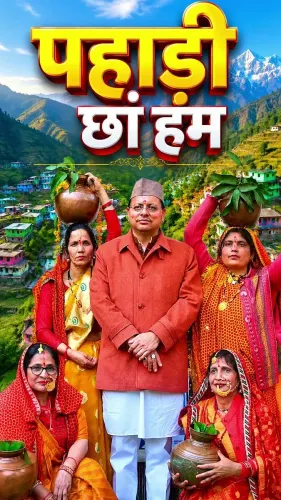
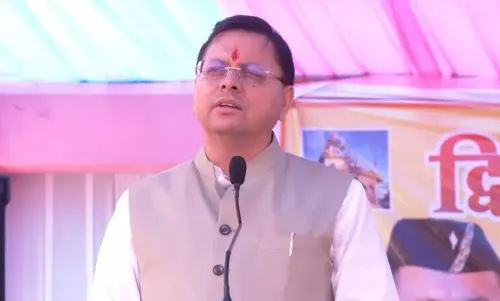
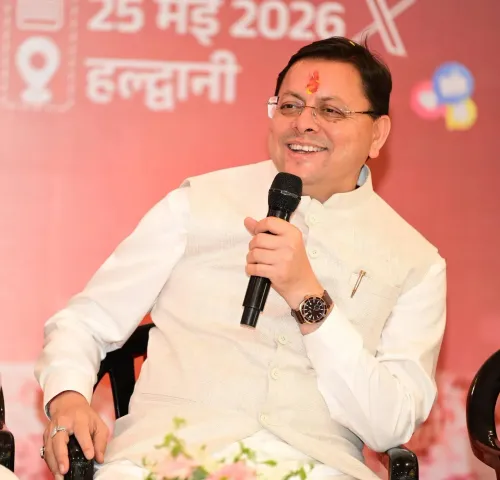
Uttarakhand Chief Minister Pushkar Singh Dhami on Monday, 25 May 2026, underscored the growing importance of social media in taking the culture, traditions, folk art, attire, and cuisine of Devbhoomi Uttarakhand to a global audience, sharing his views in a post on X.
Context
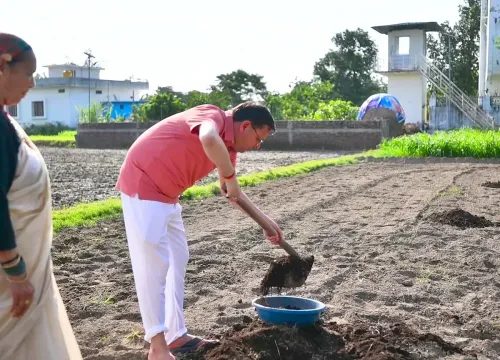
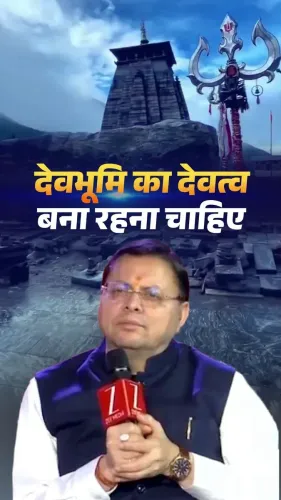
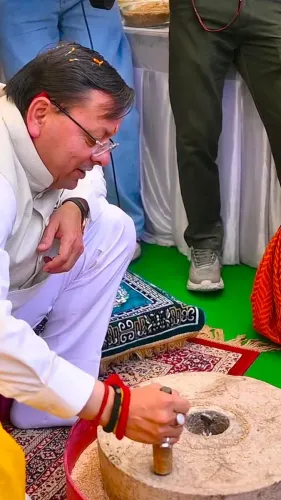
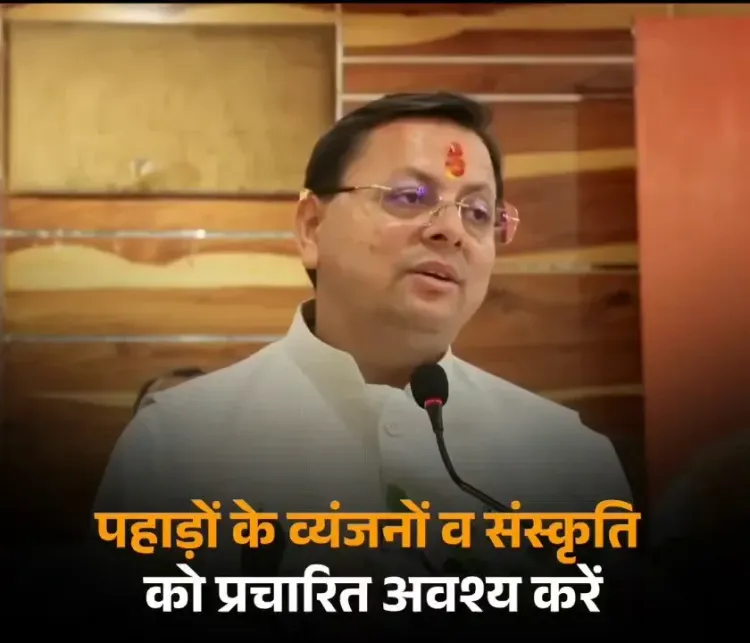
In his post, CM Dhami stated — 'आज के समय में सोशल मीडिया देवभूमि उत्तराखंड की संस्कृति, परंपराओं, वेशभूषा, लोक कला और व्यंजनों को वैश्विक स्तर पर प्रचारित करने में महत्वपूर्ण भूमिका निभा रहा है' — which translates to: 'In today's time, social media is playing an important role in promoting the culture, traditions, attire, folk art, and cuisine of Devbhoomi Uttarakhand at the global level.' The post was accompanied by a video, suggesting the Chief Minister was amplifying specific cultural content or an ongoing campaign.
Uttarakhand, formed in 2000 as a separate Himalayan state, is widely referred to as Devbhoomi (Land of the Gods) owing to its dense concentration of pilgrimage sites, including the Char Dham shrines. Its folk traditions — ranging from Garhwali and Kumaoni music and dance to distinctive regional cuisines and handwoven textiles — form a distinct cultural identity that the state government has consistently sought to project beyond its borders.
Policy Backdrop
The Uttarakhand Tourism Development Board began emphasising digital outreach for cultural and pilgrimage tourism from the 2010s onward, aligning with the broader Digital India programme that encouraged states to leverage online platforms for soft-power and economic goals. Himalayan states, where pilgrimage circuits and folk heritage are core economic assets, have been among the most active in this space.
CM Dhami, who has held office since 2021, has made heritage promotion a visible pillar of his administration's identity, regularly engaging on social media to spotlight the state's traditions. His latest remarks reinforce that approach, framing digital platforms not merely as communication tools but as instruments of cultural diplomacy and tourism promotion.
Stakeholders and Impact
The communities most directly affected by heightened global visibility are local artisans, weavers, folk performers, and tourism operators across the state. Wider digital reach can translate into increased footfall at cultural festivals, higher demand for authentic regional handicrafts, and stronger bookings along pilgrimage and eco-tourism routes.
For the state's youth content creators and influencers who document Uttarakhand's landscapes and traditions, the Chief Minister's endorsement signals potential institutional support — whether through state-backed campaigns, influencer partnerships, or dedicated digital promotion drives — in the months ahead.
What's Next
The statement is likely a precursor to, or an endorsement of, a structured state-level digital tourism or cultural campaign. Observers will watch for announcements around influencer outreach programmes, tie-ups with travel platforms, or dedicated social media handles for Uttarakhand's cultural assets.
As Indian states increasingly compete for tourist arrivals and cultural mindshare, Uttarakhand's ability to convert digital visibility into on-ground economic activity — for artisans, hoteliers, and pilgrimage site managers alike — will determine the real-world impact of this digital-first cultural push.
Point of View
Sustained effort to brand Uttarakhand's cultural identity on digital platforms — a strategy that doubles as both tourism policy and political messaging ahead of future electoral cycles. By framing social media as a vehicle for civilisational soft power, the BJP-led state government aligns itself with the broader national narrative of cultural pride and digital empowerment. The emphasis on folk art, attire, and cuisine — rather than just pilgrimage — suggests an attempt to broaden the state's appeal beyond religious tourism to a wider, younger, globally connected audience. Whether this translates into structured policy action or remains aspirational rhetoric will be the key test of its impact.
NationPress
21 Oct 2026
Frequently Asked Questions
What did CM Pushkar Singh Dhami say about social media and Uttarakhand culture?
CM Dhami stated that social media is playing an important role in promoting Devbhoomi Uttarakhand's culture, traditions, attire, folk art, and cuisine at the global level, sharing the view in a post on X on 25 May 2026.
Why is Uttarakhand called Devbhoomi?
Uttarakhand is called Devbhoomi, meaning 'Land of the Gods', because it is home to a dense concentration of Hindu pilgrimage sites including the Char Dham shrines — Badrinath, Kedarnath, Gangotri, and Yamunotri.
How is Uttarakhand promoting its culture digitally?
The Uttarakhand Tourism Development Board has pursued digital outreach for cultural and pilgrimage tourism since the 2010s, and the state government has increasingly used social media platforms to showcase folk traditions, handicrafts, and regional cuisine to national and global audiences.
Who is Pushkar Singh Dhami?
Pushkar Singh Dhami is the Chief Minister of Uttarakhand and a BJP leader who has held the office since 2021, with a focus on state development, heritage promotion, and digital outreach.
How does social media help Uttarakhand's artisans and tourism sector?
Greater digital visibility for Uttarakhand's folk art, attire, and cuisine can increase demand for authentic regional handicrafts, boost footfall at cultural festivals, and drive higher bookings along the state's pilgrimage and eco-tourism routes, directly benefiting local artisans and tourism operators.