CM Dhami calls social media a tool for nation-building and youth empowerment
Synopsis
Uttarakhand Chief Minister Pushkar Singh Dhami has declared social media a powerful instrument for public awareness, nation-building, cultural preservation, and global youth empowerment, urging that the immense potential of Uttarakhand's youth be channelled in the right direction.
Key Takeaways
CM Pushkar Singh Dhami posted on X on 25 May 2026 calling social media a tool for nation-building and cultural preservation.
He stated that Uttarakhand 's youth possess 'immense potential' that needs to be directed constructively.
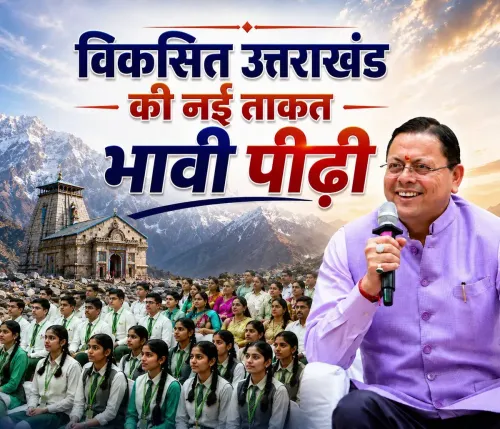
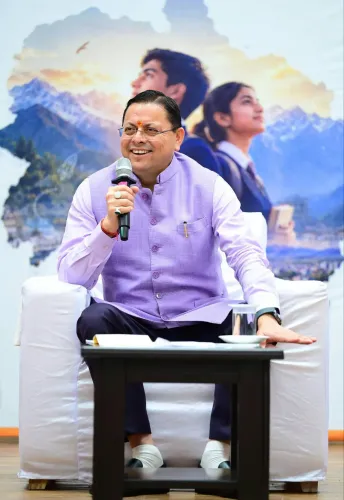
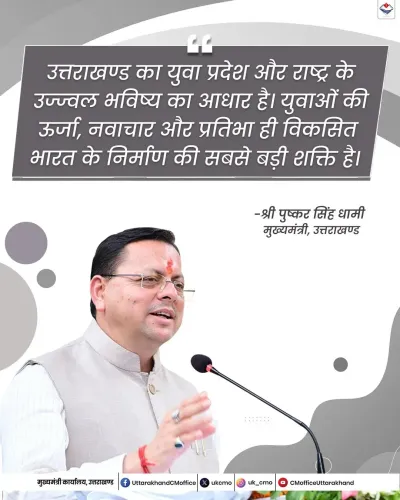
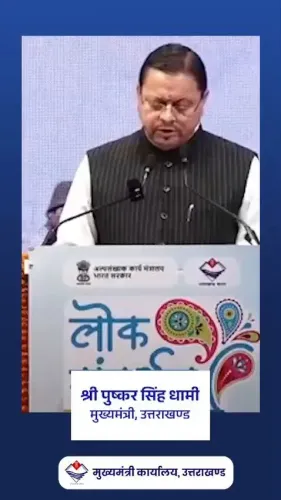
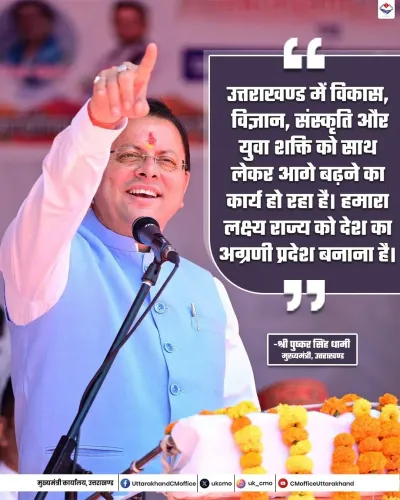
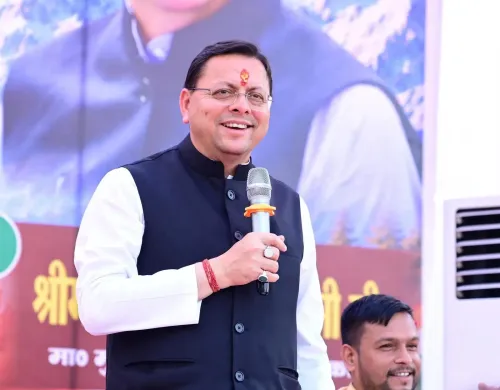
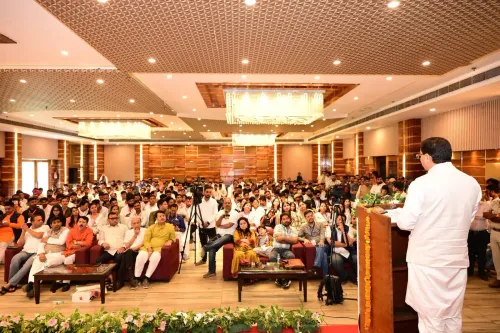
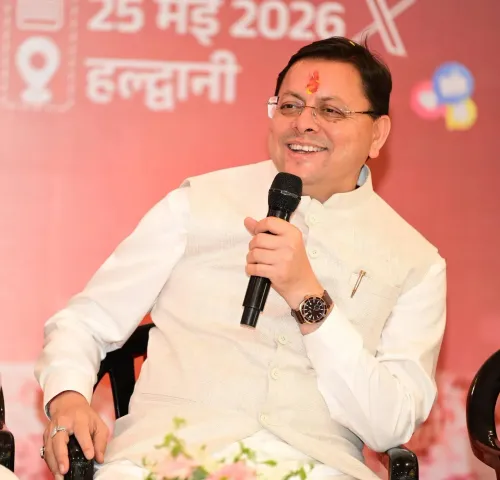
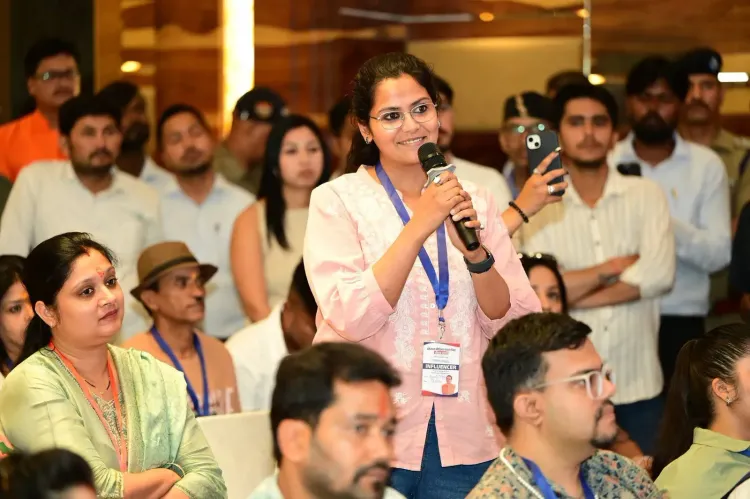
The post was accompanied by four images , signalling a deliberate, curated communication effort.
The remarks align with national frameworks including Digital India and Skill India , both launched in 2015 .
The statement positions the state government as a potential facilitator of youth-led digital and cultural content.
Observers will watch for follow-up policy announcements such as digital literacy drives or state-sponsored youth conclaves.
Uttarakhand Chief Minister Pushkar Singh Dhami on Monday, 25 May 2026, said social media has evolved far beyond a platform for personal expression and now serves as a powerful instrument for public awareness, nation-building, cultural preservation, and giving youth a global stage for their talent.
Posting in Hindi on X, CM Dhami wrote: 'Aaj social media keval abhivyakti ka madhyam nahin, balki jan-jagrukta, rashtra nirman, sanskriti sanrakshan aur yuvaon ki pratibha ko vaishvik manch dene ka sashakt sadhan ban chuka hai' ('Today, social media is not merely a medium of expression, but has become a powerful means of public awareness, nation-building, cultural preservation, and giving the talent of youth a global platform'). He added that the youth of Uttarakhand possess immense potential, and what is needed is only to channel this strength in the right direction.
Context
Uttarakhand, the Himalayan state carved out of Uttar Pradesh in 2000, has a significant youth demographic that has historically faced limited local employment opportunities, pushing many to migrate to urban centres. CM Dhami, who has led the state since 2021, has repeatedly emphasised digital outreach as a bridge between governance and citizens, particularly younger residents in remote hill districts.
The post, which was accompanied by four images, frames social media not as a recreational space but as civic infrastructure — a shift in official tone that aligns with broader national narratives around digital citizenship.
Policy Backdrop
The remarks sit within the arc of two flagship national programmes: the Digital India initiative launched in 2015, which sought to expand digital infrastructure and online governance, and the Skill India mission, also announced in 2015, designed to harness youth potential for economic and national development.
Since 2014, BJP-led administrations at the Centre and in states have systematically used social media for political communication, cultural promotion, and youth mobilisation. Uttarakhand has aligned its state-level digital strategy with these national frameworks, treating platforms as channels for heritage preservation alongside conventional governance outreach.
Stakeholders and Impact
The primary audience for CM Dhami's message is Uttarakhand's youth — a group that observers say is increasingly active on short-form video and social platforms, creating content around the state's pilgrimage culture, adventure tourism, and folk traditions. By publicly validating social media as a tool for 'cultural preservation' and 'nation-building', the Chief Minister signals state-level endorsement of youth-led digital content as a legitimate civic activity.
Cultural organisations, digital creators, and educational institutions in the state are among the stakeholders who could translate such a statement into formal programmes — whether digital literacy drives, youth conclaves, or content-creation workshops tied to state identity.
What's Next
Observers will watch whether the statement is followed by concrete policy announcements — such as state-sponsored digital literacy programmes, youth social media conclaves, or partnerships with platforms to promote Uttarakhand's cultural heritage. CM Dhami's framing of social media as a 'powerful means' for channelling youth potential suggests the groundwork for such initiatives may already be under discussion within the state administration. The direction given to that potential, as the Chief Minister himself noted, will determine whether the rhetoric translates into measurable outcomes for young people across the state.
Point of View
He draws a direct line between Uttarakhand's identity as a pilgrimage and heritage state and the aspirations of its digitally active young population. This is consistent with a wider BJP pattern of legitimising state engagement with social platforms by anchoring it in nationalist and cultural language rather than purely administrative rationale. The real test will be whether this rhetorical elevation of social media's role is followed by structured, funded programmes that give Uttarakhand's youth a tangible pathway to global visibility.
NationPress
12 Oct 2026
Frequently Asked Questions
What did Uttarakhand CM Dhami say about social media?
CM Pushkar Singh Dhami said on 25 May 2026 that social media has become a powerful means of public awareness, nation-building, cultural preservation, and giving youth a global platform for their talent, not merely a medium for personal expression.
What is CM Dhami's view on Uttarakhand youth potential?
CM Dhami stated that the youth of Uttarakhand possess immense potential and that what is needed is only to channel this strength in the right direction, suggesting a policy intent to guide constructive digital engagement.
How does Dhami's statement connect to Digital India?
His remarks align with the national Digital India programme launched in 2015, which positioned digital platforms as tools for governance, citizen engagement, and youth empowerment across India.
What follow-up actions might Uttarakhand take after CM Dhami's social media post?
Observers expect possible announcements of digital literacy programmes, youth conclaves, or content-creation initiatives tied to Uttarakhand's cultural heritage, though no specific scheme has been announced yet.
Why is social media significant for Uttarakhand's youth?
Uttarakhand's youth face limited local employment opportunities due to the state's hilly terrain, and social media platforms offer them a low-barrier channel to showcase talent in areas like folk culture, pilgrimage tourism, and adventure content to a global audience.