CM Dhami Backs Tribal Girls' Camp in Pauri Garhwal
Synopsis
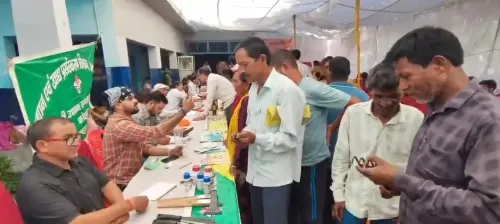
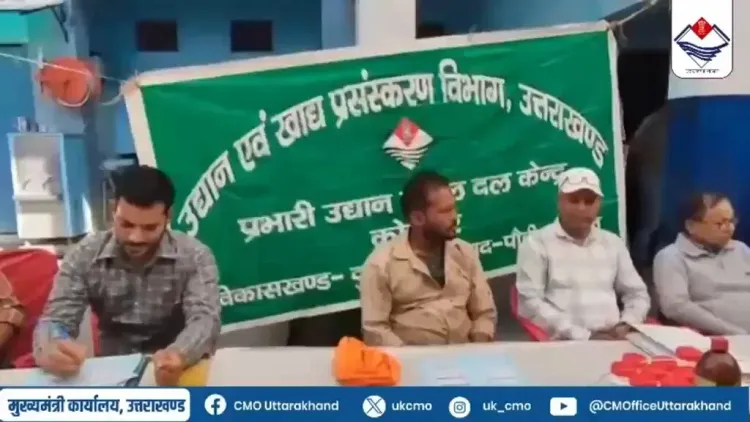
Under CM Pushkar Singh Dhami's guidance, a multi-purpose welfare camp was organised at the Boksa tribal girls' school in Haldukhata, Kotdwar, Pauri Garhwal, marking Janjatiya Gaurav Pakhwada 2026 and continuing Uttarakhand's targeted outreach for Scheduled Tribe communities.
Key Takeaways
A multi-purpose welfare camp was held at Boksa Janjati Balika Vidyalaya, Haldukhata, Kotdwar in Pauri Garhwal on 3 November 2026 .
The event was organised under the guidance of Uttarakhand Chief Minister Pushkar Singh Dhami as part of Janjatiya Gaurav Pakhwada .
The Boksa are a Scheduled Tribe concentrated in Uttarakhand's plains and lower Himalayan belt, including the Kotdwar region.
Janjatiya Gaurav Divas is observed on 15 November , the birth anniversary of tribal icon Birsa Munda , with states running surrounding fortnight activities.
Uttarakhand's tribal welfare model relies on periodic multi-purpose camps rather than large new infrastructure, particularly targeting girls' education.
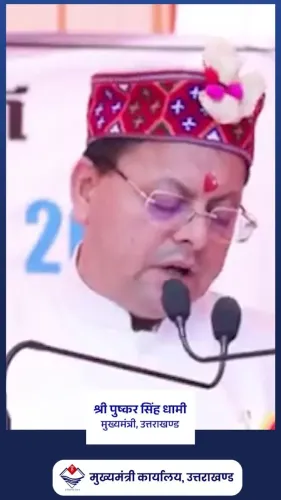
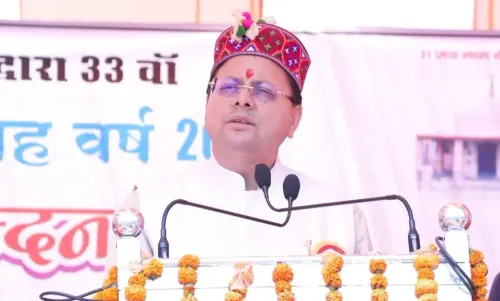
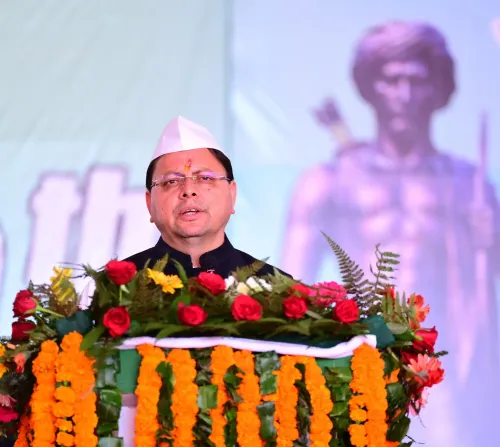
A multi-purpose welfare camp reached one of Uttarakhand's most under-served tribal communities on Tuesday, 3 November 2026 — held inside the Boksa Janjati Balika Vidyalaya at Haldukhata, Kotdwar in Pauri Garhwal, the event was organised under the banner of Janjatiya Gaurav Pakhwada, the fortnight-long national observance honouring tribal heritage. The Chief Minister's Office of Uttarakhand confirmed the camp was held under the guidance of Chief Minister Pushkar Singh Dhami.
The post, shared in Hindi, described the effort as part of 'janjatiya samudayon ke sashaktikaran ke prayas' — 'continuous endeavours for the empowerment of tribal communities' — framing the camp as one link in an ongoing chain rather than a one-off gesture.
The Boksa School at Haldukhata and What It Represents
The Boksa Janjati Balika Vidyalaya is a residential school specifically for girls from the Boksa tribal community, one of Uttarakhand's Scheduled Tribes concentrated in the plains and lower Himalayan belt, including the Kotdwar area of Pauri Garhwal. The choice of venue is deliberate: bringing a multi-purpose camp inside a girls' school signals that outreach — health, welfare, and awareness services — is coming to the community, not asking the community to travel to a district office.
The Boksa are a small, historically marginalised group. Targeted residential schooling for Boksa girls has been one of the state's primary tools for closing educational gaps within this community.
Janjatiya Gaurav Pakhwada: The National Backdrop
The camp sits within a national framework. The Government of India instituted Janjatiya Gaurav Divas on 15 November 2021 — the birth anniversary of freedom fighter Birsa Munda — as a dedicated day to honour tribal heritage. States, including Uttarakhand, subsequently began organising a surrounding Pakhwada (fortnight) of events and welfare activities leading up to that date. The structure gives district administrations a concrete annual window to run camps, disburse benefits, and connect tribal households with central and state schemes.
Uttarakhand's tribal population is relatively small but geographically dispersed, making periodic outreach camps — rather than large permanent infrastructure — the dominant delivery model for welfare services in these communities.
A Pattern of Incremental Outreach
Tuesday's camp fits a broader pattern the state has followed: targeted, ground-level events aimed at girls' education and community health, aligned with the central government's tribal development architecture. The emphasis on nirantar — 'continuous' — in the official communication suggests the administration is framing this not as a standalone event but as part of a sustained annual rhythm.
Whether that rhythm translates into measurable outcomes — higher enrolment, better health indicators, new hostel or scholarship allocations for the Boksa community in the next state budget — will be the real test.
For now, a girls' school in a quiet corner of Pauri Garhwal became, for one day, the centre of the state's tribal-empowerment calendar. The pakhwada ends on 15 November — and with it, the spotlight shifts back to whether the gains outlast the fortnight.
Point of View
Channelled through an existing residential school to project continuity of care. For the Dhami government, tribal welfare events during Janjatiya Gaurav Pakhwada serve a dual purpose — fulfilling the state's obligations under central tribal development frameworks while generating ground-level visibility ahead of any electoral cycle. The Boksa community is small and geographically contained, making it an achievable focus for demonstrable action. The harder question is whether fortnight-driven camps translate into sustained improvements in enrolment, retention, and health for Boksa girls — outcomes that will surface only in budget allocations and administrative data long after the pakhwada ends.
NationPress
3 Nov 2026
Frequently Asked Questions
What is Janjatiya Gaurav Pakhwada?
Janjatiya Gaurav Pakhwada is a national fortnight of events held in November to honour tribal heritage and promote welfare schemes, culminating on Janjatiya Gaurav Divas on 15 November — the birth anniversary of tribal freedom fighter Birsa Munda, instituted by the Government of India in 2021.
Who are the Boksa tribe in Uttarakhand?
The Boksa are a Scheduled Tribe community in Uttarakhand, primarily settled in the plains and lower Himalayan districts including the Kotdwar area of Pauri Garhwal. They are one of the state's smaller tribal groups and have been a focus of targeted educational and welfare programmes.
Where is Boksa Janjati Balika Vidyalaya located?
The Boksa Janjati Balika Vidyalaya is a residential school for Boksa tribal girls located at Haldukhata in the Kotdwar area of Pauri Garhwal district, Uttarakhand.
What did CM Pushkar Singh Dhami do for tribal communities in November 2026?
Under CM Pushkar Singh Dhami's guidance, the Uttarakhand government organised a multi-purpose welfare camp at the Boksa tribal girls' school in Haldukhata, Kotdwar, Pauri Garhwal, as part of Janjatiya Gaurav Pakhwada 2026.
When is Janjatiya Gaurav Divas celebrated in India?
Janjatiya Gaurav Divas is celebrated on 15 November every year, marking the birth anniversary of tribal leader and freedom fighter Birsa Munda. The Government of India instituted this observance in 2021.