CM Dhami backs Vidya Bharati, pushes NEP with AI focus
Synopsis
Uttarakhand CM Pushkar Singh Dhami on 27 July 2026 praised Vidya Bharati as a pillar of character-building and reaffirmed his government's push to implement NEP 2020 with a focus on AI, startups and Indian cultural values in state schools.
Key Takeaways
CM Pushkar Singh Dhami described Vidya Bharati as a 'powerful medium' for personality development rooted in Indian culture and national spirit.
The Uttarakhand government is focusing NEP 2020 implementation on connecting students with AI, innovation, research and startups .
Dhami stressed that modern education must be coordinated with 'rich culture, values and Indian life-values' to ensure character-building alongside academic learning.
Vidya Bharati , established in 1977 and RSS-affiliated, operates a large network of Saraswati Shishu Mandir schools across India including Uttarakhand .
The statement follows a broader pattern in BJP -ruled states of linking NEP 2020 with cultural organisations and emerging-technology skill-building since 2020 .
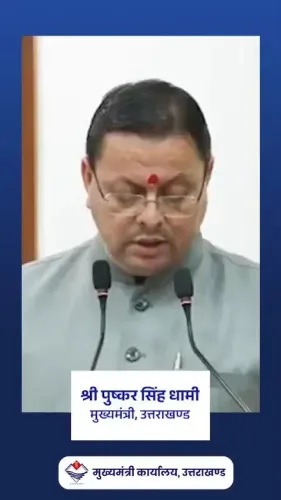
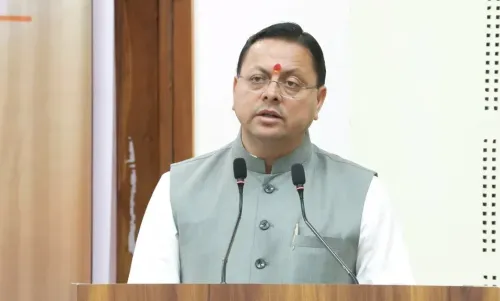
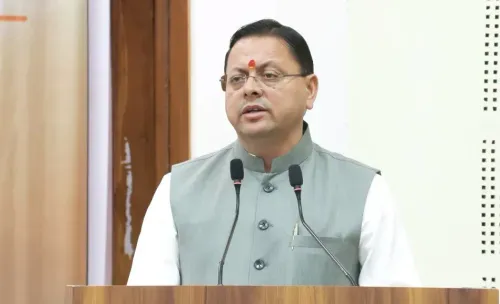
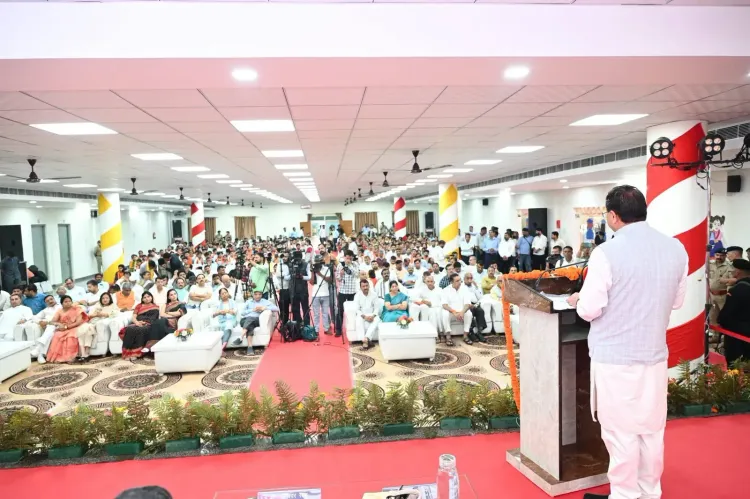
Uttarakhand Chief Minister Pushkar Singh Dhami on Monday, 27 July 2026, reaffirmed his government's commitment to strengthening the state's education system by blending the National Education Policy (NEP) 2020 with Indian cultural values, while highlighting the role of Vidya Bharati as a vehicle for character-building alongside academics.
Context
Responding on X, CM Dhami described Vidya Bharati as 'not merely an institution that imparts education, but a powerful medium for building personalities steeped in Indian culture, values and national spirit' (bhartiya sanskriti, sanskaar aur rashtrbhavna se ot-prot vyaktitva nirman ka sashakt madhyam). The statement came in the context of the organisation's broader educational mission across Uttarakhand and the rest of India.
He added that his government is 'continuously working to make the state's education system more robust, quality-driven and future-oriented,' with particular emphasis on connecting students with modern technologies such as innovation, research, startups and Artificial Intelligence (AI).
Policy Backdrop
The National Education Policy 2020, approved by the Union Cabinet in July 2020, replaced the 1986 policy and introduced multidisciplinary learning, Indian knowledge systems, vocational training and technology integration. Uttarakhand, a BJP-governed Himalayan state, has been among the states actively implementing NEP provisions at the school and higher-education levels.
Vidya Bharati Akhil Bharatiya Shiksha Sansthan, established in 1977 and affiliated with the RSS, operates one of India's largest non-governmental school networks under the Saraswati Shishu Mandir banner, with a presence across multiple states including Uttarakhand. The organisation's curriculum has historically emphasised Indian cultural values alongside standard academics.
CM Dhami's statement aligns with a pattern visible across BJP-ruled states since 2020, wherein NEP implementation is publicly framed as a convergence of modern skill-building — including AI and entrepreneurship — with the promotion of traditional Indian values and organisations such as Vidya Bharati.
Stakeholders and Impact
The primary beneficiaries of these stated policy directions are school students, teachers and parents across Uttarakhand. CM Dhami emphasised that modern education must ensure 'coordination with our rich culture, values and Indian life-values so that students advance not only in knowledge but also in character-building.'
For institutions like Vidya Bharati, the Chief Minister's endorsement signals continued governmental recognition of their role in the state's education ecosystem. For students, the stated focus on AI, startups and research under NEP suggests an intent to integrate emerging-technology modules into curricula.
What's Next
Observers will watch for concrete rollout of NEP-related curriculum changes in Uttarakhand schools, particularly modules covering AI and innovation, as well as any formal state-level partnerships or events involving Vidya Bharati institutions. The government's ability to operationalise this dual mandate — modern skills alongside cultural grounding — will be the practical test of the policy direction CM Dhami has articulated. How the state structures assessments and teacher training under this framework will determine whether the vision translates into measurable educational outcomes.
Point of View
' the Chief Minister is signalling to both the RSS ecosystem and the aspirational middle class that these goals are complementary rather than competing. This dual framing has become a reliable template across BJP-governed states and is likely to intensify ahead of any state-level electoral cycle. The real political test will come when concrete budgetary allocations and curriculum mandates are announced, revealing which side of the balance — modern skills or cultural grounding — receives greater institutional weight.
NationPress
27 Jul 2026
Frequently Asked Questions
What did CM Pushkar Singh Dhami say about Vidya Bharati?
CM Dhami called Vidya Bharati 'not merely an institution that imparts education' but a 'powerful medium for building personalities steeped in Indian culture, values and national spirit,' endorsing its role in Uttarakhand's education ecosystem.
What is Vidya Bharati and what does it do?
Vidya Bharati Akhil Bharatiya Shiksha Sansthan is an RSS-affiliated organisation established in 1977 that runs one of India's largest non-governmental school networks, the Saraswati Shishu Mandir schools, emphasising Indian cultural values alongside standard academics.
How is Uttarakhand implementing NEP 2020?
Uttarakhand is implementing NEP 2020 with a stated focus on connecting students with AI, innovation, research and startups while ensuring modern education is coordinated with Indian cultural values and character-building, according to CM Dhami.
What is the National Education Policy 2020?
NEP 2020 was approved by the Union Cabinet in July 2020 to replace the 1986 policy. It introduced multidisciplinary learning, Indian knowledge systems, vocational training and technology integration including AI across school and higher education.
Why is CM Dhami linking AI education with Indian cultural values?
CM Dhami's framing reflects a pattern in BJP-governed states of presenting NEP 2020 implementation as a convergence of modern skill-building — including AI and entrepreneurship — with the promotion of traditional Indian values, positioning the two as complementary goals.