CM Dhami buys nettle-fibre cloth at 12th National Handloom Day
Synopsis
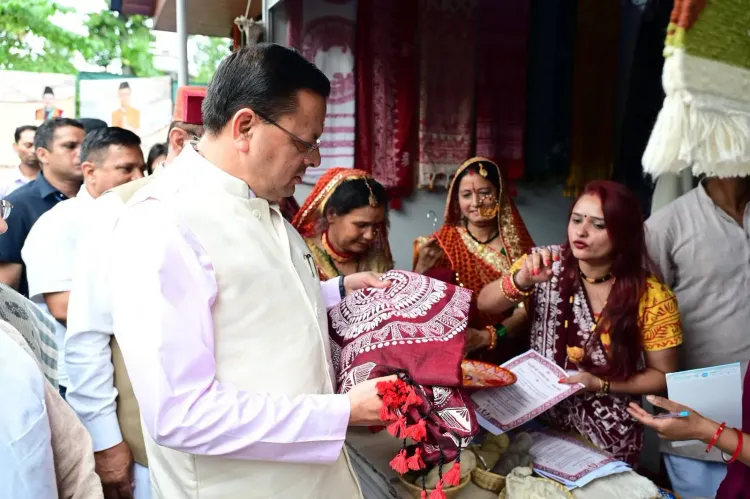
Uttarakhand CM Pushkar Singh Dhami attended the 12th National Handloom Day in Dehradun on 7 August 2026, purchasing a Bichhu Ghas (nettle fibre) handwoven garment and honouring weavers — underscoring the state's push to turn a wild Himalayan plant into a sustainable livelihood.
Key Takeaways
Pushkar Singh Dhami participated in the 12th National Handloom Day event at Mukhya Sevak Sadan, Dehradun on 7 August 2026 .
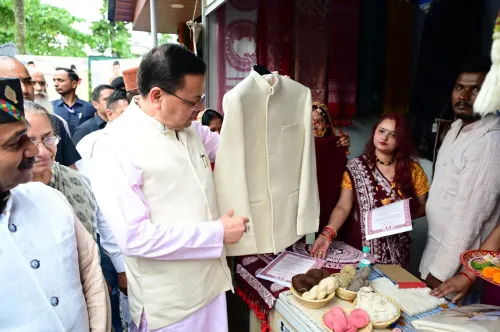
He purchased a handwoven garment made from Bichhu Ghas (wild Himalayan nettle fibre), a sustainable textile promoted in Uttarakhand's hill districts.
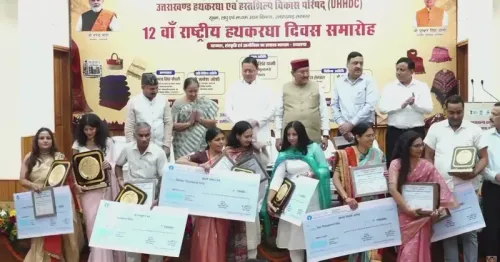
Weavers and craftspeople were publicly honoured at the event, and Dhami addressed the gathering.
National Handloom Day is observed every 7 August since 2015, marking the centenary of the Swadeshi movement.
Uttarakhand promotes nettle fibre as an eco-friendly livelihood crop for hill communities under the broader National Handloom Development Programme .
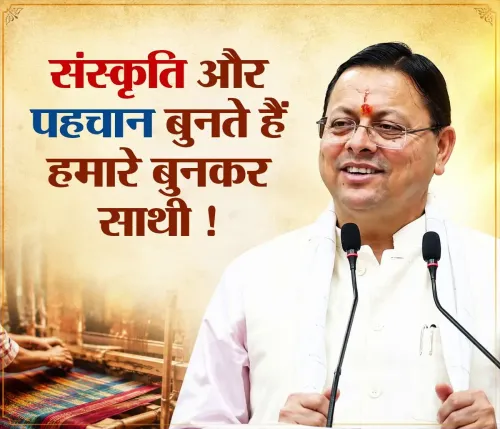
A Himalayan weed turned into wearable cloth — and Uttarakhand's Chief Minister made a point of buying it. Pushkar Singh Dhami participated in the 12th National Handloom Day celebrations at Mukhya Sevak Sadan, Dehradun on 7 August 2026, purchasing a handwoven garment made from Bichhu Ghas (wild Himalayan nettle fibre) and honouring weavers and artisans at the event.
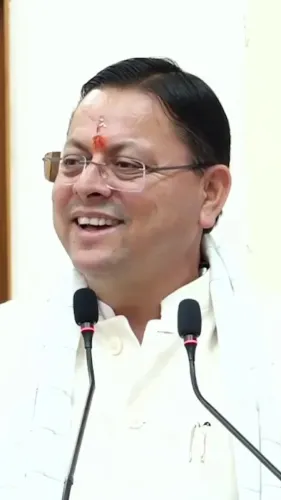
Posting on X, Dhami wrote that he 'बुनकरों एवं शिल्पकारों को सम्मानित कर उपस्थित जनसमूह को सम्बोधित किया' — 'honoured weavers and craftspeople and addressed the gathering.' The purchase of a nettle-fibre garment was a deliberate, visible gesture: not a ribbon-cutting, but a transaction.
Why 7 August, and why nettle?
National Handloom Day falls every year on 7 August, the date chosen in 2015 to mark the centenary of the Swadeshi movement's launch — the mass campaign that asked Indians to reject imported cloth and wear what their own looms produced. The symbolism has never entirely faded. A century on, the argument is ecological as much as economic: buy local, wear natural. Bichhu Ghas — stinging nettle — grows wild across Uttarakhand's mid-Himalayan slopes, long regarded as a nuisance by hill farmers. Processed into yarn, it yields a linen-like fibre that is durable, breathable, and requires no pesticides. State agencies have pushed nettle as a livelihood crop for hill communities who face thin margins on conventional agriculture, and as a sustainable alternative to cotton in a region where water is scarce.Weavers at the centre, not the margins
The event at Mukhya Sevak Sadan — the Chief Minister's official residence in Dehradun, whose name translates literally as 'Chief Servant's House' — placed artisans on a public platform. Dhami both honoured them and addressed the crowd, framing handloom not as heritage nostalgia but as a live economic sector. The broader national push, running since 2015 under the National Handloom Development Programme, has aimed to link artisan clusters to urban retail and export markets. Uttarakhand's specific angle — value-adding wild fibres from forests and hillsides — offers a model where ecology and livelihood point in the same direction. The real test, as always, is what follows the ceremony: whether market linkages materialise, whether processing units for nettle fibre receive sustained support, and whether Uttarakhand's distinctive handloom products move toward formal Geographical Indication registration that could anchor their premium in national and global markets.Point of View
A two-for-one that appeals across urban and rural audiences. The harder question is whether ceremonial visibility translates into durable market infrastructure — GI tags, processing subsidies, and retail tie-ups — that weavers can bank on beyond the annual calendar event.
NationPress
7 Aug 2026
Frequently Asked Questions
What is National Handloom Day and when is it celebrated?
National Handloom Day is observed every year on 7 August in India. It was instituted in 2015 to mark the centenary of the Swadeshi movement and to promote the handloom sector and its artisans.
What is Bichhu Ghas and why is it significant for Uttarakhand?
Bichhu Ghas is wild Himalayan stinging nettle that grows across Uttarakhand's mid-mountain slopes. Processed into yarn, it produces a durable, pesticide-free fibre promoted as a sustainable livelihood option for hill communities and an eco-friendly alternative to cotton.
What did CM Pushkar Singh Dhami do on National Handloom Day 2026?
CM Dhami attended the 12th National Handloom Day event at Mukhya Sevak Sadan in Dehradun, purchased a handwoven garment made from Bichhu Ghas nettle fibre, honoured weavers and artisans, and addressed the gathering.
Where was the 12th National Handloom Day event in Uttarakhand held?
The event was held at Mukhya Sevak Sadan in Dehradun, the official residence of the Uttarakhand Chief Minister.
What government scheme supports handloom weavers in India?
The National Handloom Development Programme is the central government's primary scheme to support handloom clusters, promote natural fibres, and link artisans to urban and export markets.