CM Dhami Calls Jharkhand, Chhattisgarh CMs Over Piplakoti Tunnel Crisis
Synopsis
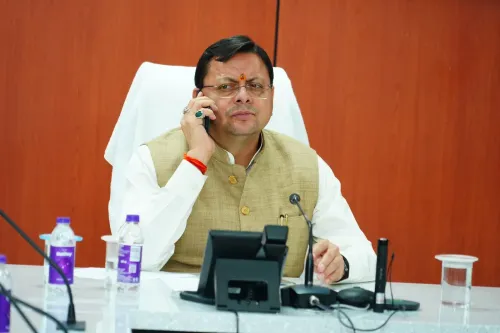
Uttarakhand CM Pushkar Singh Dhami telephoned the chief ministers of Jharkhand and Chhattisgarh to update them on the THDC tunnel flooding at Piplakoti in Chamoli, confirming 16 workers rescued and pledging full medical and logistical support for all affected labourers.
Key Takeaways
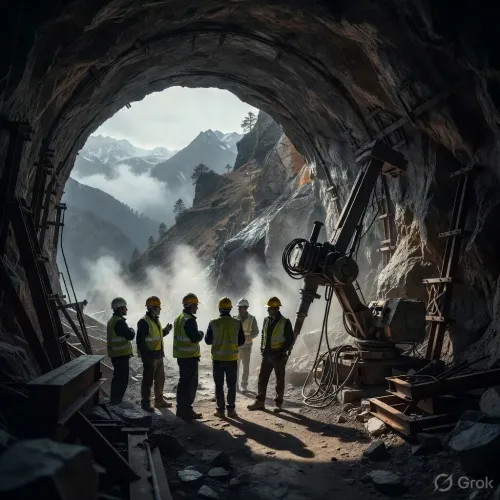
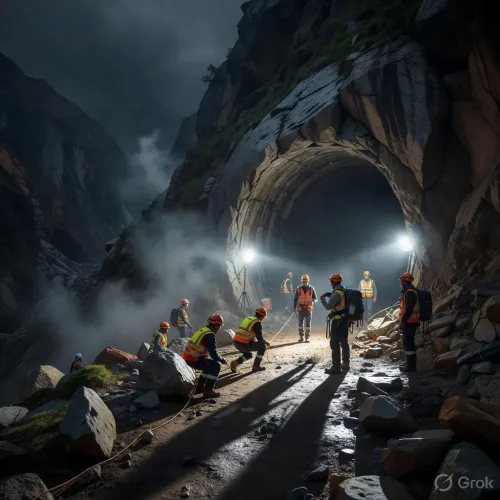
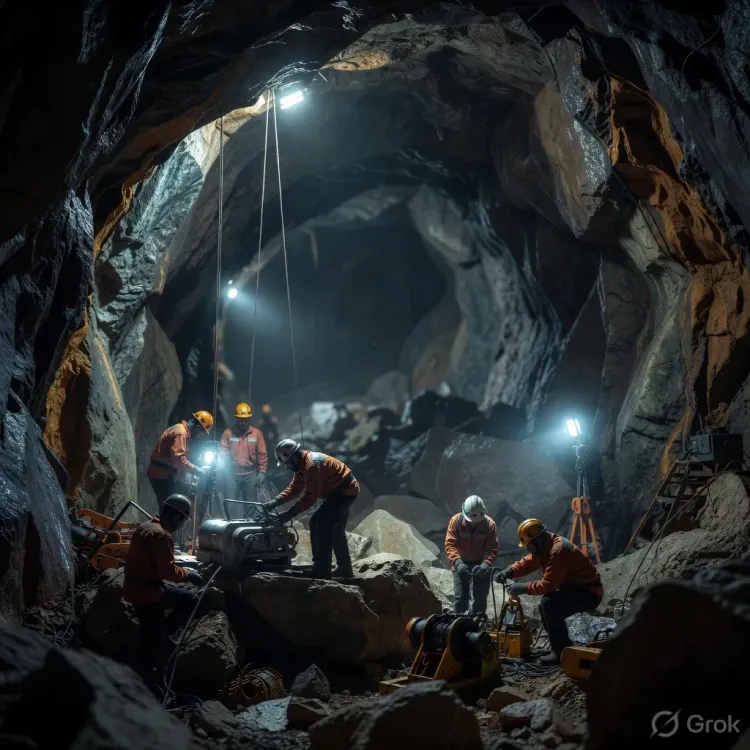
A debris-and-water flooding incident struck a THDC under-construction tunnel at Mayapur (Piplakoti) in Chamoli district, Uttarakhand .
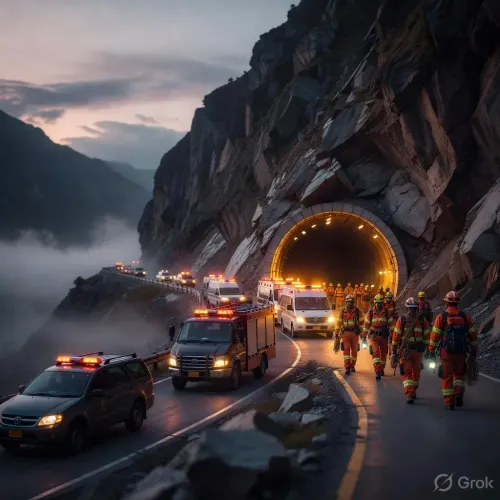
16 workers have been safely rescued so far; rescue operations for remaining trapped workers are ongoing at war footing.
CM Pushkar Singh Dhami personally called the chief ministers of Jharkhand and Chhattisgarh — the home states of the trapped workers — to brief them on the situation.
Rescued workers are receiving immediate medical care; specialist referrals and higher-facility transfers will be arranged if needed.
Dhami pledged that the Uttarakhand government will stand by every affected worker and their family with 'full sensitivity and commitment.' The incident highlights the recurring geological and hydrological risks faced by migrant workers in Himalayan hydroelectric construction projects.
Sixteen workers are out. The rest are still trapped. And Uttarakhand Chief Minister Pushkar Singh Dhami is on the phone — not with his own officials, but with the chief ministers of the states those workers call home.
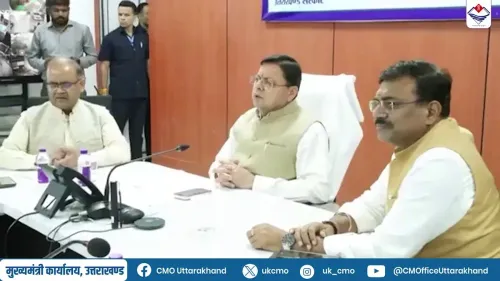
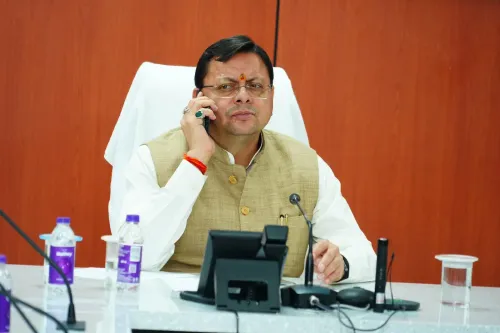
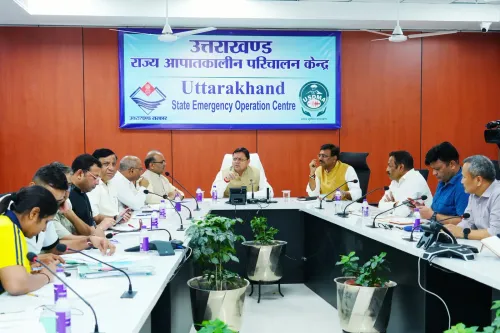
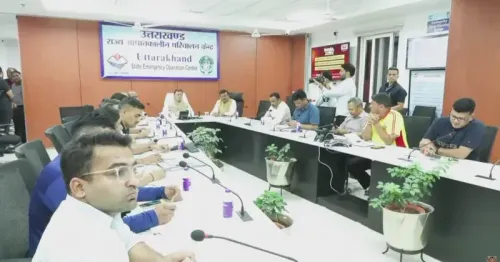
On the evening of 13 August 2026, CM Dhami personally telephoned the chief ministers of Jharkhand and Chhattisgarh to brief them on the debris-and-water flooding incident inside a THDC-operated under-construction tunnel at Mayapur (Piplakoti) in Chamoli district. The call was a direct line of accountability — state to state, leader to leader — on the fate of migrant labourers working deep inside the Himalayas.
16 Rescued, Rescue Operations Ongoing at Piplakoti
Dhami told both chief ministers that 16 workers have been pulled out safely so far, with war-footing rescue operations still active for the remaining trapped labourers. He assured that those already rescued are receiving immediate medical attention — medicines, food, shelter, and specialist care where needed. If any worker requires referral to a higher medical facility, he said, that arrangement will be made without delay.
The Uttarakhand government's message was unambiguous: 'मानव जीवन की सुरक्षा सर्वोपरि है' — 'the protection of human life is paramount' — and the entire state machinery is committed to the safety, treatment, and support of every affected worker and their family.
Migrant Labour, Himalayan Tunnels, and a Recurring Risk
Tehri Hydro Development Corporation (THDC), a central public sector undertaking, operates some of Uttarakhand's most ambitious hydroelectric infrastructure projects. The Piplakoti tunnel is one such site — and like many in the region, it draws its workforce heavily from eastern states like Jharkhand and Chhattisgarh, where economic migration to construction sites is a livelihood reality for tens of thousands of families.
Himalayan tunnel construction carries inherent geological and hydrological hazards. Sudden debris slides and water ingress are not unprecedented in this terrain — and when they strike, the human cost falls disproportionately on migrant workers who are far from home and far from the political systems meant to protect them. Dhami's direct outreach to peer chief ministers is a recognition of that reality: these are not just Uttarakhand's workers. They belong to other states, other families, other electorates.
What Dhami Promised the Families' Home States
In his calls, CM Dhami gave both chief ministers a full situation briefing and offered a clear commitment: the Uttarakhand government stands with every affected worker and their family 'with complete sensitivity and dedication.' He emphasised that no resource — medical, logistical, or otherwise — will be spared in the rescue effort. The state's entire administrative apparatus, he said, is working at full speed.
The next critical phase is the completion of rescue operations for the workers still inside the tunnel. Medical referrals, safety audits of the THDC site, and a joint review of protocols at Himalayan construction projects are all expected to follow once the immediate emergency is resolved.
For the families waiting in Jharkhand and Chhattisgarh, the phones between chief ministers may be the closest thing to reassurance they have tonight.
Point of View
The incident shines a light on a structural gap in India's infrastructure boom: migrant workers power Himalayan mega-projects but remain among the most vulnerable when those projects go wrong. Whether this episode triggers a systematic review of THDC's site-safety protocols — or fades as another incident absorbed into the rhythm of construction — will be the real test of political will.
NationPress
14 Aug 2026
Frequently Asked Questions
What happened in the Piplakoti tunnel in Chamoli, Uttarakhand?
An under-construction THDC tunnel at Mayapur (Piplakoti) in Chamoli district was struck by a debris and water flooding incident, trapping a number of migrant workers inside.
How many workers have been rescued from the Piplakoti tunnel?
As of CM Dhami's statement on 13 August 2026, 16 workers have been safely rescued. Operations to reach the remaining trapped workers are continuing.
Why did CM Dhami call the chief ministers of Jharkhand and Chhattisgarh?
The trapped workers are migrant labourers from Jharkhand and Chhattisgarh. Dhami called their chief ministers to personally brief them on the situation and assure them that Uttarakhand is providing full rescue, medical, and logistical support.
What medical support is being given to rescued workers from the Piplakoti tunnel?
Rescued workers are receiving immediate medical attention, including medicines, food, and shelter. CM Dhami stated that specialist treatment and referrals to higher medical facilities will be arranged if required.
What is THDC and what is its role in the Piplakoti tunnel project?
THDC — Tehri Hydro Development Corporation Limited — is a central public sector undertaking responsible for hydroelectric and tunnel infrastructure projects in Uttarakhand, including the under-construction tunnel at Piplakoti in Chamoli district.