CM Dhami Calls 'One Nation, One Education' Push Historic
Synopsis
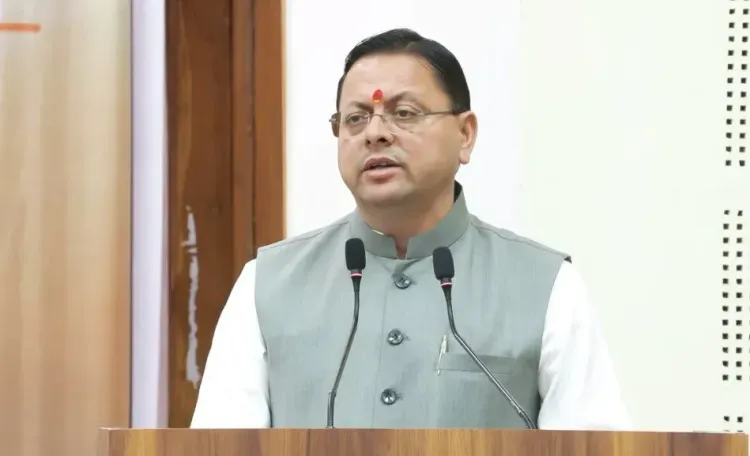
Chief Minister Pushkar Singh Dhami on 1 July 2026 called a new education initiative 'historic', saying it strengthens the 'One Nation, One Education' vision and marks a milestone for India's education sector. Uttarakhand's endorsement aligns with the broader NEP 2020 push for curricular uniformity.
Key Takeaways
CM Pushkar Singh Dhami on 1 July 2026 described a new education initiative as 'historic' and a 'milestone' for the sector.
The initiative is framed around the concept of 'One Nation, One Education' , signalling a push for curricular and examination uniformity across India.
Uttarakhand becomes a visible state-level endorser of the initiative, consistent with its track record of aligning with central BJP government education goals.
The policy lineage connects to the National Education Policy 2020 , which established common standards for curriculum, assessment, and teacher training.
Key stakeholders include school students , teachers , and state education departments ; operational details for the 2026-27 academic session are awaited.
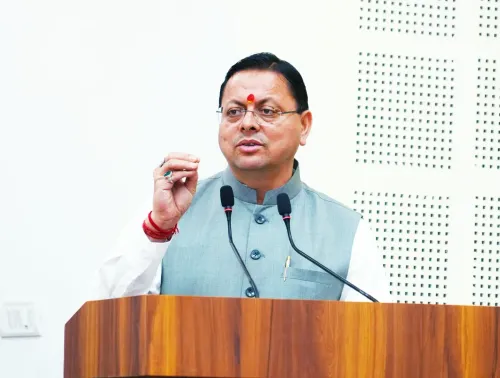
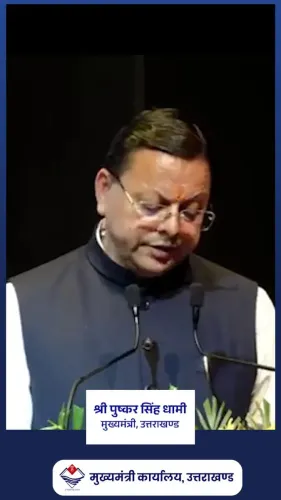
The Chief Minister's Office of Uttarakhand on Wednesday, 1 July 2026, quoted Chief Minister Pushkar Singh Dhami describing a new education initiative as historic, saying it would strengthen the spirit of 'One Nation, One Education' and prove to be a milestone in the education sector.
Sharing the Chief Minister's remarks on the official CMO account, the post quoted Dhami as saying: 'Aaj ka din aitihasik hai. Yeh pehal One Nation, One Education ki bhavna ko mazbooti degi. Yeh pehal shiksha ke kshetra mein meel ka patthar sabit hogi.' ('Today is a historic day. This initiative will strengthen the spirit of One Nation, One Education. This initiative will prove to be a milestone in the field of education.')
Context
The remarks come as Uttarakhand, a Himalayan state in northern India, has consistently aligned its education agenda with central government priorities. Chief Minister Pushkar Singh Dhami, who has led the state since 2021 under the BJP, has repeatedly positioned Uttarakhand as an early adopter of nationally driven reforms. The phrase 'One Nation, One Education' echoes a broader governmental approach that has previously been applied to areas such as taxation, ration cards, and recruitment.
Policy Backdrop
The ideological foundation for such an initiative traces back to the National Education Policy (NEP) 2020, approved in July 2020, which replaced the 1986 education framework. The NEP set common standards for curriculum design, assessment, and teacher training across Indian states, while allowing scope for regional languages and local contexts. The 'One Nation, One Education' framing suggests a further push toward curricular and examination uniformity, extending the logic of the NEP into operational standardisation.
Uttarakhand's endorsement fits a pattern seen across BJP-governed states, where public alignment with the Union Ministry of Education's standardisation goals has become a visible political and administrative posture. The state faces particular challenges in education delivery, including outmigration from hill districts and access gaps in remote areas, making any uniform framework's local implementation a point of close scrutiny.
Stakeholders and Impact
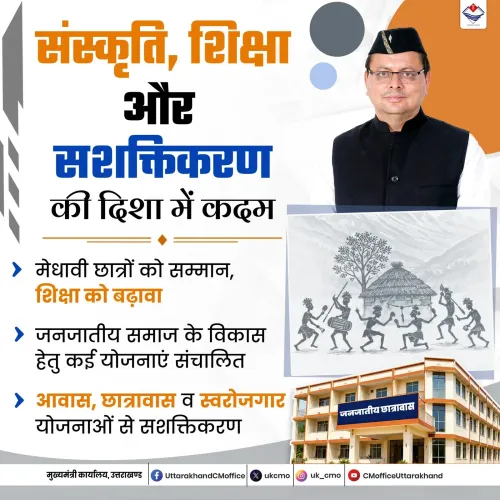
The initiative, as described, would most directly affect school students, teachers, and state education departments across India. For Uttarakhand specifically, the question of how a common curriculum or assessment framework would account for the state's geographic and demographic diversity — including its significant tribal and hill populations — will be central to stakeholder response. Teacher training bodies and state boards would also need to align their processes with any new common standards.
What's Next
Operational details of the initiative — including its scope, timeline, and any budgetary provisions for the 2026-27 academic session — are yet to be officially outlined. Observers will watch for formal announcements from the Union Ministry of Education or the Uttarakhand government on how the 'One Nation, One Education' framework will be implemented at the state level, and whether it involves changes to board examinations, textbooks, or teacher certification processes.
Point of View
Extending the 'One Nation, One' political brand from GST and ration cards into the education domain. The move fits a pattern in which BJP-governed states publicly champion central policy goals, reinforcing ideological coherence ahead of potential electoral cycles. However, the real test will be in implementation: Uttarakhand's hill geography and outmigration pressures mean any uniform framework must accommodate local realities to be credible. Until operational details emerge, the announcement remains a political posture as much as a policy commitment.
NationPress
1 Jul 2026
Frequently Asked Questions
What is the 'One Nation, One Education' initiative announced by CM Dhami?
Chief Minister Pushkar Singh Dhami described it as a historic initiative aimed at bringing uniformity to India's education sector, though specific operational details have not yet been officially released as of 1 July 2026.
How does 'One Nation, One Education' relate to NEP 2020?
The National Education Policy 2020 established common standards for curriculum, assessment, and teacher training across states. The 'One Nation, One Education' framing extends this logic toward greater uniformity in examinations and curricula.
Which states have endorsed the 'One Nation, One Education' approach?
Uttarakhand, under Chief Minister Pushkar Singh Dhami, has publicly endorsed the initiative. Other BJP-governed states have also broadly aligned with the Ministry of Education's standardisation goals under NEP 2020.
What does this mean for students and teachers in Uttarakhand?
If implemented, school students, teachers, and state education departments in Uttarakhand could see changes to curriculum design, assessment frameworks, or teacher certification processes, though details for the 2026-27 academic session are yet to be announced.
What challenges does Uttarakhand face in implementing a uniform education policy?
Uttarakhand's hill geography, remote area access gaps, and significant outmigration from rural districts pose challenges to uniform implementation, making local adaptation of any common framework essential.