CM Dhami Chairs Key Uttarakhand Cabinet Meeting
Synopsis
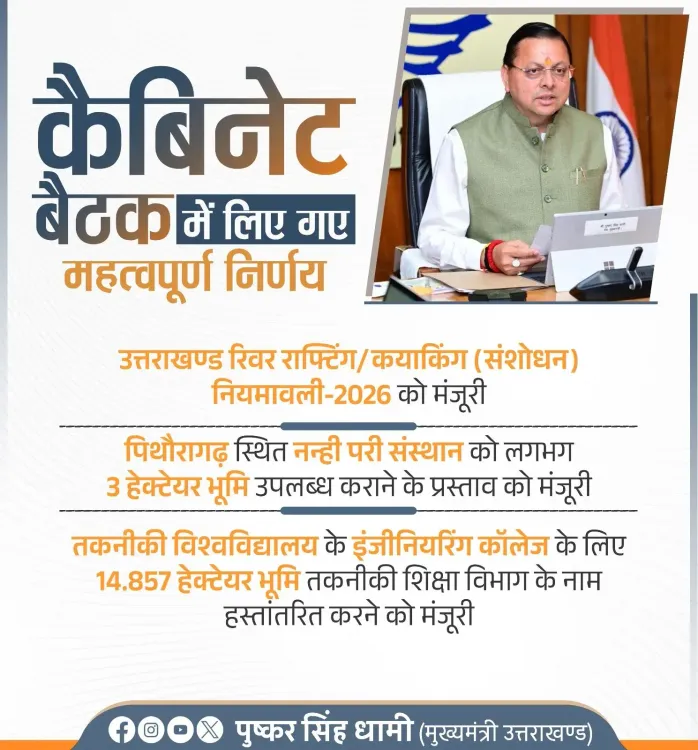
Uttarakhand Chief Minister Pushkar Singh Dhami announced on 10 July 2026 that the state cabinet had taken key decisions for the overall development of the state, sharing the update on X alongside images from the meeting.
Key Takeaways
CM Pushkar Singh Dhami chaired a cabinet meeting on 10 July 2026 in Uttarakhand.
The cabinet took multiple significant decisions directed at the overall development of the state.
The announcement was made on X (formerly Twitter) and accompanied by four images from the meeting.
The Uttarakhand Cabinet is the apex state body responsible for approving policy, schemes, and budget measures.
Official government press releases are expected to detail the specific resolutions passed in the meeting.
BJP-led Uttarakhand has consistently focused cabinet decisions on connectivity, disaster resilience, and hill-district welfare since 2021.
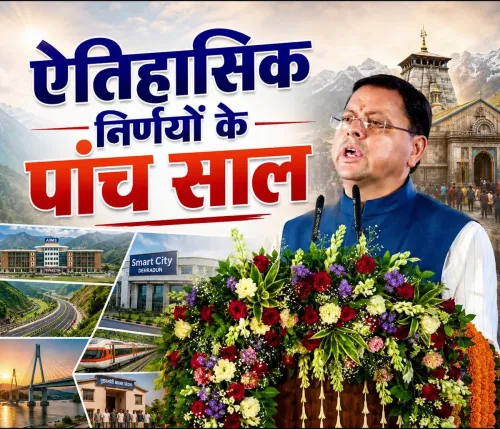
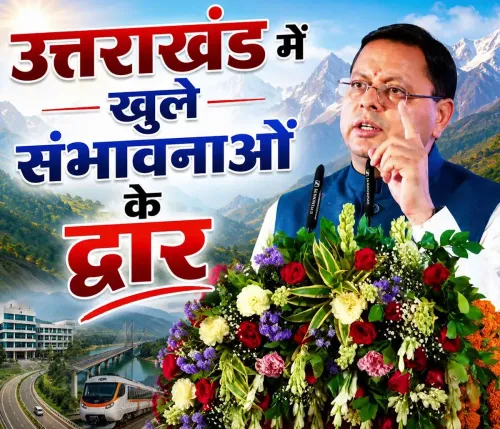
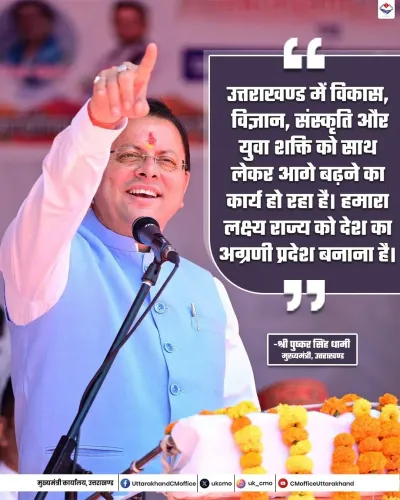
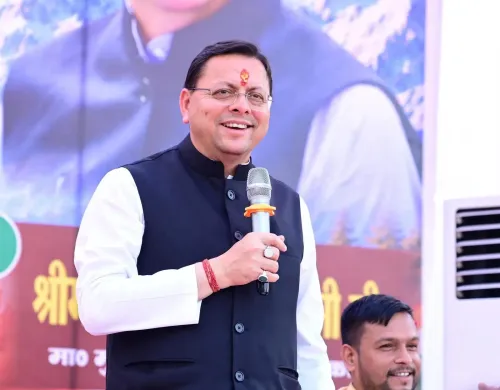
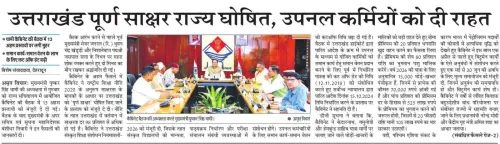
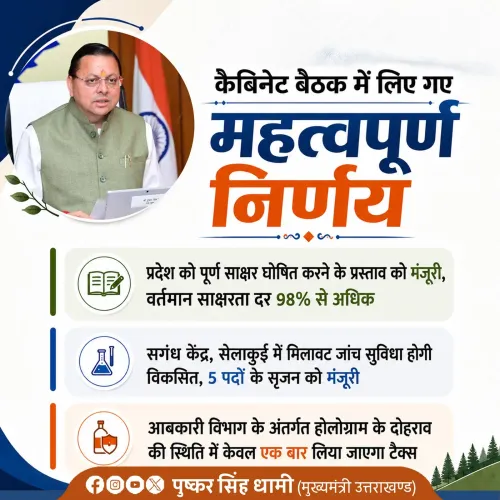
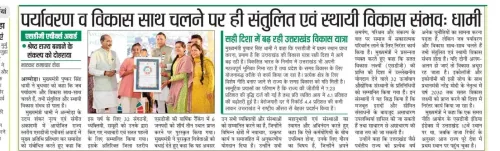
Uttarakhand Chief Minister Pushkar Singh Dhami on Friday, 10 July 2026, announced that the state cabinet had taken several significant decisions aimed at the overall development of Uttarakhand. The announcement, made via his official X account, was accompanied by four images from the cabinet meeting.
Context
In his post, CM Dhami stated — 'राज्य के समग्र विकास हेतु कैबिनेट बैठक में लिए गए महत्वपूर्ण निर्णय' ('Important decisions taken in the cabinet meeting for the overall development of the state') — signalling a broad-based policy push rather than a single-issue directive. The post was tagged #CabinetDecisions, a hashtag the Chief Minister's office uses to flag governance milestones.
The Uttarakhand Cabinet, chaired by the Chief Minister, is the apex executive body that formally approves policy measures, budget reallocations, and developmental schemes before they are operationalised by state departments.
Policy Backdrop
Since Uttarakhand's formation in 2000, successive state cabinets have grappled with challenges unique to a Himalayan hill state: reverse migration from mountain villages, fragile road and bridge infrastructure, disaster preparedness in seismically active zones, and improving connectivity to remote districts. BJP-led governments in the state have consistently framed cabinet decisions around economic growth, connectivity, and disaster resilience.
Under CM Dhami, who has held the post since 2021, the cabinet has periodically approved measures spanning infrastructure, tourism promotion, and schemes targeting the welfare of residents in hill districts. Indian chief ministers from ruling parties routinely use social media to publicise cabinet outcomes as a demonstration of active governance, and this post follows that established pattern.
Stakeholders and Impact
The primary beneficiaries of any cabinet-level decisions in Uttarakhand are its approximately 1.1 crore residents, particularly those in rural and remote Himalayan districts who depend heavily on state-funded infrastructure and welfare schemes. State departments — including public works, rural development, and disaster management — are typically tasked with implementing cabinet-approved measures.
The business community, tourism operators, and local self-government bodies also stand to be affected, depending on the nature of the decisions taken. Official press releases from the state government are expected to enumerate the specific resolutions passed in the meeting.
What's Next
Detailed minutes and official press communiqués from the Uttarakhand government are expected to list each decision, the departments responsible, and timelines for implementation. Observers will watch for any follow-up action in the state assembly or in the forthcoming budget cycle that translates these cabinet resolutions into allocated funds and measurable targets. The pace at which approved decisions are operationalised will be a key indicator of the administration's governance momentum ahead of future electoral cycles in the state.
Point of View
Where public confidence in state delivery is a persistent electoral variable, such optics-first communication serves a dual purpose of reassuring constituents and setting a positive news cycle. The broader pattern across BJP-ruled states suggests these announcements are often preludes to more detailed scheme rollouts. The real test will be whether the decisions translate into measurable outcomes in infrastructure and welfare for Uttarakhand's remote districts.
NationPress
11 Jul 2026
Frequently Asked Questions
What decisions were taken in the Uttarakhand cabinet meeting on 10 July 2026?
The specific decisions have not been detailed in CM Dhami's post; official government press releases are expected to enumerate the resolutions passed in the meeting.
Who chairs the Uttarakhand cabinet?
The Uttarakhand cabinet is chaired by Chief Minister Pushkar Singh Dhami , who has held the post since 2021.
What is the role of the Uttarakhand cabinet?
The Uttarakhand Cabinet is the state's apex executive body, responsible for formally approving policies, schemes, budget reallocations, and developmental decisions before they are implemented by state departments.
When did Pushkar Singh Dhami become Chief Minister of Uttarakhand?
Pushkar Singh Dhami became Chief Minister of Uttarakhand in 2021 and has continued in the role since then.
What are the key development challenges in Uttarakhand?
Uttarakhand faces challenges including reverse migration from hill villages, fragile road and bridge infrastructure, disaster preparedness in seismically active zones, and improving connectivity to remote Himalayan districts.