CM Dhami Clears ₹36 Crore for Roads, Water and Kumbh Security
Synopsis
Chief Minister Pushkar Singh Dhami cleared ₹36 crore on 28 October 2026 for CC roads in Haridwar, highway resurfacing in Nainital, road corridors in Udham Singh Nagar, an AI-powered maintenance dashboard in Dehradun, a drinking-water scheme, Kumbh security equipment, and temple beautification in Pithoragarh.
Key Takeaways
₹36 crore approved in a single order by CM Pushkar Singh Dhami on 28 October 2026 across five Uttarakhand districts.
Haridwar receives ₹4.21 crore and ₹4.83 crore for two separate 5-km CC roads in the central and Jwalapur areas.
State Highway 61 in Nainital's Kotabag block gets a ₹5 crore BM/SDBC resurfacing between km 75.200 and 81.00.
Udham Singh Nagar's Gadarpur segment draws ₹6.14 crore and ₹5.73 crore for two separate road projects. ₹4.63 crore allocated for an AI and IT-based supervision consultancy and digital dashboard under Dehradun's PBMC road-maintenance framework. ₹1.53 crore cleared for three bomb disposal suits for anti-sabotage security during the Kumbh Mela .
Roads in pilgrimage cities, a drinking-water scheme in Dehradun's capital belt, AI-powered highway maintenance monitoring, and bomb-disposal suits for the next Kumbh Mela — Chief Minister Pushkar Singh Dhami signed off on all of it in a single infrastructure clearance on Wednesday, 28 October 2026, approving a combined ₹36 crore across multiple districts of Uttarakhand.
Haridwar gets ₹9 crore-plus in concrete roads
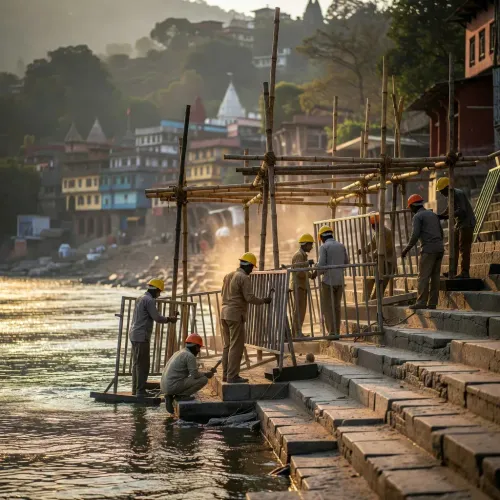
The largest share of the road funding flows into Haridwar district, a city whose streets have to shoulder millions of pilgrims every year. Under the State Plan, ₹4.21 crore has been cleared for a 5-km cement-concrete (CC) road in the central Haridwar assembly constituency, while the adjoining Jwalapur area gets ₹4.83 crore for an equal stretch of CC road. Concrete surfacing, more expensive upfront, is increasingly preferred in the terai belt because it outlasts bitumen by years under heavy pilgrimage traffic.
Nainital highway and Udham Singh Nagar corridors get long-overdue upgrades
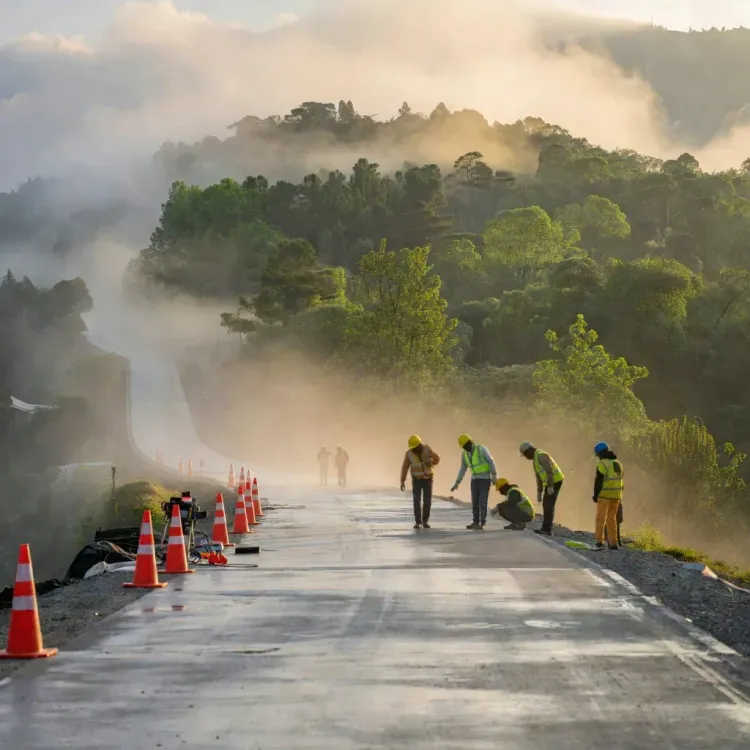
In Nainital district, the Kaladhungi assembly segment gets a ₹5 crore infusion for resurfacing work — BM/SDBC overlay — on State Highway 61 between kilometre markers 75.200 and 81.00, covering the Sardarnagar–Keshowala–Bannakheda–Bailpadav–Kotabag–Kaladhungi corridor in the Kotabag development block.
Udham Singh Nagar district's Gadarpur assembly seat draws two separate sanctions: ₹6.14 crore for improvement and interlocking-tile construction on internal roads between Netanagar, Radhaoswami Satsang and Amarpur; and ₹5.73 crore for a new road from Shrirampur through Dhimari Block to Chakkimod.
Dehradun pilots AI and digital dashboards for road maintenance
Perhaps the most forward-looking element of the package is a ₹4.63 crore consultancy for Dehradun's Performance-Based Maintenance Contract (PBMC) roads. The consultancy will appoint a supervision advisor whose mandate goes well beyond routine inspection: it explicitly requires the use of information technology and artificial intelligence to independently assess contractors' maintenance work. The package includes building a digital dashboard to monitor PBMC compliance in real time, alongside assembling the technical and financial capacity for ongoing infrastructure surveillance. For a state capital where pothole complaints spike every monsoon, embedding AI-based audit into the contract structure is a significant institutional shift.
Dehradun also picks up ₹3.59 crore for the Indira Colony drinking-water scheme in the Raipur development block, addressing basic civic supply in a fast-urbanising pocket of the district.
Bomb suits for Kumbh, and a temple beautified in Pithoragarh
With Kumbh Mela cycles demanding ever-tighter security arrangements, the state's police department has been cleared to purchase three bomb disposal suits at a cost of ₹1.53 crore — earmarked specifically for anti-sabotage checks during the event. Mass-gathering security procurement of this kind reflects the state's ongoing effort to harden a venue that draws tens of millions over a single cycle.
Rounding out the package, the Kumaod Temple in Pithoragarh's assembly constituency will receive ₹96 lakh for beautification — a modest but symbolically notable spend on a border-district cultural site that the state has been trying to promote as a heritage tourism destination.
A ₹36 crore cheque spread across five districts and six categories of spending is, in one sense, routine budget housekeeping. In another, it is a map of the state's pressure points — pilgrimage crowds in Haridwar, potholed highways in Nainital's foothills, a booming terai belt in Udham Singh Nagar, a modernising capital in Dehradun, and the unceasing security calculus of the Kumbh. Whether the AI dashboard becomes a model or a line item will be the real story to watch.
Point of View
If implemented well, shift accountability norms in a sector historically prone to quality disputes. The Kumbh bomb-suit procurement underscores that the state now treats mass-gathering security as a year-round planning obligation rather than a last-minute expense, reflecting lessons from successive mega-event cycles. Across the board, the package also illustrates Uttarakhand's fiscal model of routing development spend through state-plan approvals — keeping momentum visible without waiting for central scheme tranches.
NationPress
28 Oct 2026
Frequently Asked Questions
What is the total amount approved by CM Dhami in this infrastructure package?
Chief Minister Pushkar Singh Dhami approved a total of ₹36 crore for various development and construction works across multiple districts of Uttarakhand on 28 October 2026.
Which areas in Haridwar will get new roads under this approval?
The central Haridwar assembly area will receive ₹4.21 crore for a 5-km CC road, and the Jwalapur area will get ₹4.83 crore for another 5-km CC road under the State Plan.
What is the AI-based road maintenance project approved for Dehradun?
₹4.63 crore has been cleared for a supervision consultancy under Dehradun's Performance-Based Maintenance Contract (PBMC) that will use AI and information technology to independently evaluate contractors' road-maintenance work and build a digital monitoring dashboard.
Why are bomb disposal suits being purchased and who will use them?
The state's police department has been sanctioned ₹1.53 crore to buy three bomb disposal suits specifically for anti-sabotage checks during the Kumbh Mela , a massive religious gathering held in Haridwar.
Which Nainital highway stretch is being improved under this order?
State Highway 61 in the Kotabag development block of Nainital district — the Sardarnagar–Keshowala–Bannakheda–Bailpadav–Kotabag–Kaladhungi corridor — will be improved from kilometre 75.200 to 81.00 at a cost of ₹5 crore .