CM Dhami clears Rs 1.20 cr for Uttarakhand HC smart boardroom
Synopsis
Chief Minister Pushkar Singh Dhami approved Rs 1.20 crore for a paperless smart VC boardroom at Uttarakhand High Court and sanctioned a combined Rs 3.57 crore-plus for beautification and development of five temple sites across Almora, Udham Singh Nagar, Uttarkashi, Pithoragarh, and Rudraprayag districts.
Key Takeaways
Rs 1.20 crore sanctioned for a paperless smart video-conferencing boardroom at the Uttarakhand High Court .
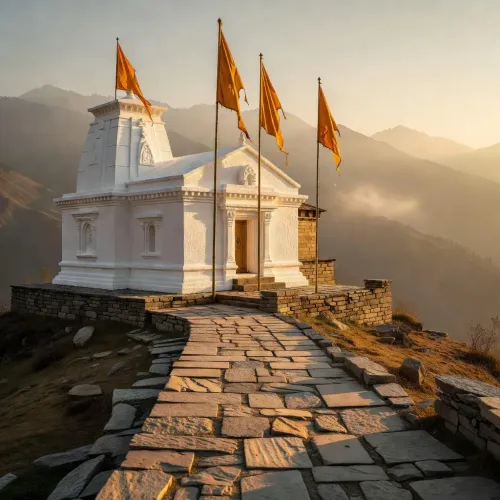
Gopeshwar Mahadev Temple, Almora received Rs 98.25 lakh sanction; first instalment of Rs 58.95 lakh approved.
Durga Temple, Nanakmatta (Udham Singh Nagar) sanctioned Rs 56.51 lakh ; first instalment Rs 33.90 lakh .
Someshwar Mahadev Temple, Jakhol/Fitadi (Uttarkashi) received Rs 1.09 crore out of remaining Rs 1.85 crore balance.
Batkeshwar Temple, Pithoragarh sanctioned Rs 63.39 lakh ; first instalment Rs 38.03 lakh .
Madmaheshwar Dham, Rudraprayag sanctioned Rs 54.81 lakh ; first instalment Rs 32.88 lakh .
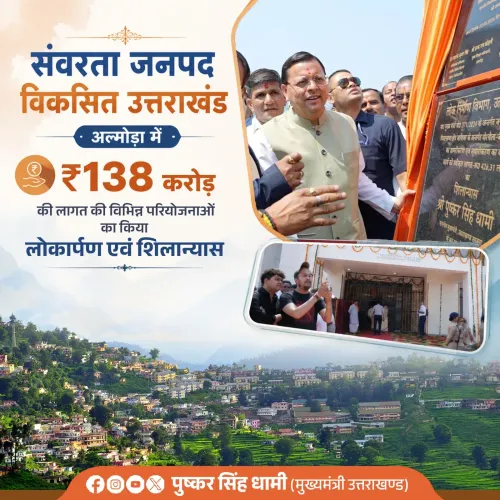
Chief Minister Pushkar Singh Dhami of Uttarakhand approved a package of infrastructure and religious-site development grants on 23 July 2026, sanctioning Rs 1.20 crore for a paperless smart video-conferencing boardroom at the Uttarakhand High Court, alongside funds for the beautification and development of five temple sites across multiple districts.
Context
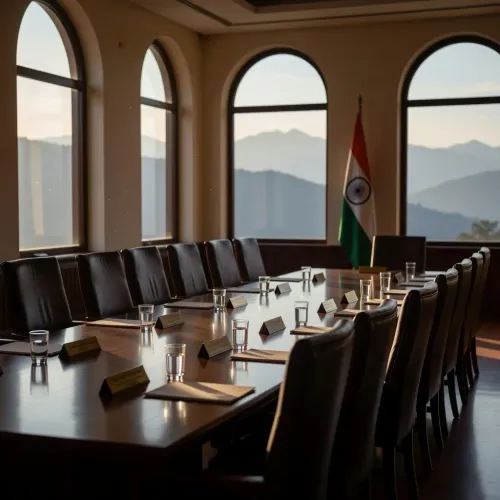
The Chief Minister's Office announced the approvals in a single communique covering judicial infrastructure and religious tourism. The High Court boardroom grant — Rs 1.20 crore — is earmarked for establishing an atyadhunik paperless smart VC board room (state-of-the-art paperless smart video-conferencing boardroom), a step aimed at modernising administrative and judicial coordination within the state's apex court.
In parallel, five temple and pilgrimage sites in four hill districts received sanction orders, with first-instalment disbursements approved immediately. The grants span Almora, Udham Singh Nagar, Uttarkashi, Pithoragarh, and Rudraprayag districts.
Policy Backdrop
The High Court grant aligns with the national e-Courts Mission Mode Project, launched in 2007, which has progressively pushed paperless, technology-enabled court management across Indian states, including Uttarakhand. A smart VC boardroom at the High Court would support remote hearings, bench coordination, and administrative meetings without physical paper records.
On the religious infrastructure side, the Uttarakhand government has maintained a steady pipeline of temple development grants since the post-2013 flood reconstruction phase, particularly for the Char Dham and Panch Kedar circuits. The inclusion of Madmaheshwar Dham — the second of the Panch Kedar shrines — in this round continues that pattern.
Grants at a Glance
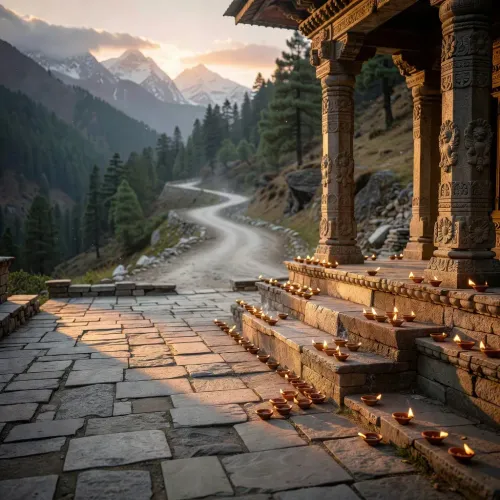
The Gopeshwar Mahadev Temple in Someshwar assembly constituency, Almora, received sanction of Rs 98.25 lakh for beautification, a safety check dam, and ancillary works; the first instalment released is Rs 58.95 lakh. The newly constructed Durga Temple at Bengali Colony, Nanakmatta, Udham Singh Nagar, was sanctioned Rs 56.51 lakh, with Rs 33.90 lakh as the first instalment.
In Uttarkashi's Purola constituency, the Someshwar Mahadev Temple premises at Nyaya Panchayat headquarters Jakhol/Fitadi received Rs 1.09 crore out of a total remaining balance of Rs 1.85 crore for levelling and beautification. The Batkeshwar Temple and pilgrimage site in Kharkdesh Patti, Didhat constituency, Pithoragarh, was sanctioned Rs 63.39 lakh, with a first instalment of Rs 38.03 lakh. Finally, Sri Madmaheshwar Dham in Kedarnath constituency, Rudraprayag, received sanction of Rs 54.81 lakh for its development, with Rs 32.88 lakh disbursed as the first instalment.
Stakeholders and Impact
Judiciary staff and litigants at the Uttarakhand High Court stand to benefit from reduced paperwork and more efficient bench administration through the new VC boardroom. For the hill districts, local temple communities and the broader pilgrimage economy are the primary beneficiaries — temple beautification and infrastructure projects typically generate seasonal employment and improve visitor footfall.
Pilgrims visiting the Panch Kedar circuit, which includes Madmaheshwar Dham, and those travelling to remote sites such as Batkeshwar and Gopeshwar Mahadev will see improved access and site conditions once the funded works are completed.
What's Next
All temple projects have been approved in tranches, meaning subsequent instalments are contingent on utilisation certificates and progress reports from executing agencies. The High Court boardroom project, funded as a single sanction of Rs 1.20 crore, will be watched for tendering and commissioning timelines. Completion of these projects will test the state government's execution capacity across geographically dispersed hill constituencies ahead of the next electoral cycle.
Point of View
Even if each project has independent merit. The Madmaheshwar Dham inclusion is particularly notable — it extends the state's Panch Kedar development push beyond the better-known Kedarnath circuit. Tranche-based disbursement, while fiscally prudent, means actual on-ground impact will depend on how quickly executing agencies submit utilisation certificates.
NationPress
23 Jul 2026
Frequently Asked Questions
How much has Uttarakhand sanctioned for the High Court smart boardroom?
Chief Minister Pushkar Singh Dhami approved Rs 1.20 crore for establishing a paperless smart video-conferencing boardroom at the Uttarakhand High Court .
Which temples received funds from the Uttarakhand government in July 2026?
Five temples received sanction: Gopeshwar Mahadev Temple (Almora) , Durga Temple at Nanakmatta (Udham Singh Nagar) , Someshwar Mahadev Temple at Jakhol/Fitadi (Uttarkashi) , Batkeshwar Temple (Pithoragarh) , and Madmaheshwar Dham (Rudraprayag) .
What is Madmaheshwar Dham and why is it significant?
Madmaheshwar Dham is the second of the Panch Kedar shrines, a group of five sacred Shiva temples in the Garhwal Himalayas in Rudraprayag district . It is a major pilgrimage destination for devotees of the Char Dham and Panch Kedar circuits.
What is the total amount sanctioned by CM Dhami in this announcement?
The combined sanction across the High Court boardroom and five temple projects amounts to over Rs 4.73 crore , with first instalments totalling approximately Rs 2.73 crore approved for immediate release.
What is the e-Courts Mission Mode Project in India?
The e-Courts Mission Mode Project is a national initiative launched in 2007 to digitise court processes, enable paperless record management, and introduce technology-driven administration across Indian courts, including those in Uttarakhand.