CM Dhami Sanctions Rs 5 Cr for Pankhu Power Sub-Station
Synopsis
Chief Minister Pushkar Singh Dhami has sanctioned over Rs 6.17 crore across Pithoragarh, Champawat, and Haridwar districts — including Rs 5 crore for a new power sub-station at Pankhu, Rs 25 lakh for temple beautification in Lohaghat, and Rs 92.63 lakh for civic works at Piran Kaliyar.
Key Takeaways
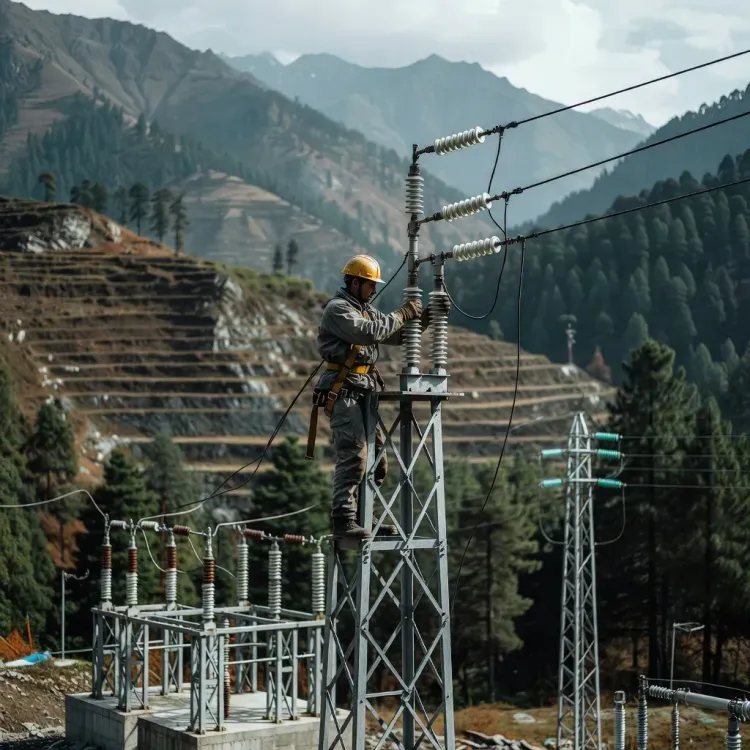
Rs 5 crore sanctioned for an electric sub-station at Pankhu in Gangolihat assembly constituency, Pithoragarh ; first instalment of Rs 2 crore released.
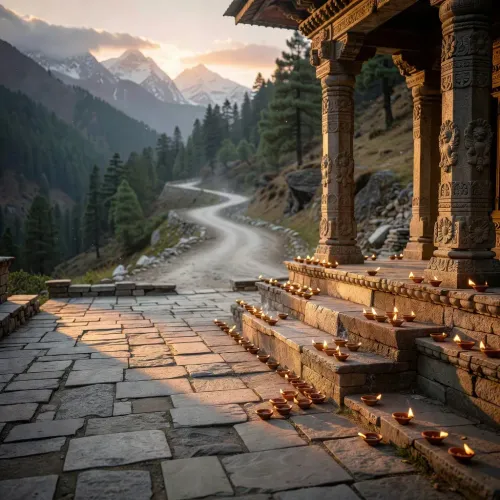
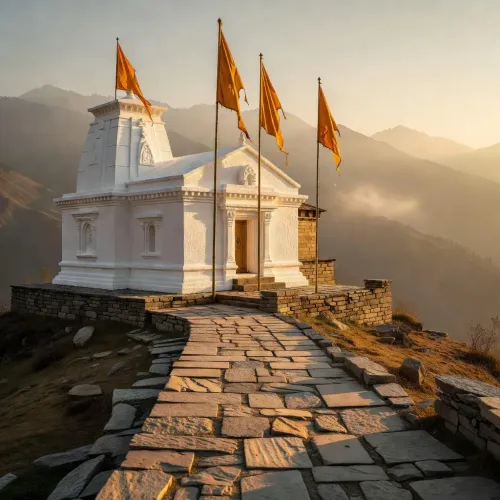
Rs 25 lakh approved for beautification of Maa Kadaui Temple in Motyuraj Gram Panchayat , Lohaghat, Champawat .
Rs 92.63 lakh approved for multiple civic works by Nagar Panchayat Piran Kaliyar in Haridwar district .
Total outlay across the three districts exceeds Rs 6.17 crore .
Phased disbursement model applied to the Pankhu sub-station to link funds to verified progress.
Approvals span power infrastructure, religious-heritage upkeep, and urban civic development — reflecting Uttarakhand's multi-sector constituency-level funding approach.
Chief Minister Pushkar Singh Dhami of Uttarakhand has approved a combined outlay of over Rs 6.17 crore for infrastructure, religious-site beautification, and civic works spread across three districts of the state, according to an announcement by the Chief Minister's Office on Friday, 17 July 2026. The sanctions cover Pithoragarh, Champawat, and Haridwar districts, targeting gaps in power supply, heritage upkeep, and local municipal needs.
What Was Approved
The largest allocation — Rs 5 crore — has been sanctioned for the construction of an electric sub-station at Pankhu, located in the Gangolihat assembly constituency of Pithoragarh district. Of this, the first instalment of Rs 2 crore has been released immediately. The sub-station is intended to address persistent power-supply shortfalls in this remote hill segment bordering Nepal and China, where terrain makes grid expansion particularly challenging.
In Champawat district, Rs 25 lakh has been approved for the beautification of Maa Kadaui Temple (माँ कडॉई मंदिर) in Motyuraj Gram Panchayat under the Lohaghat assembly constituency. Separately, the Nagar Panchayat of Piran Kaliyar in Haridwar district's Piran Kaliyar assembly constituency has received approval for multiple individual civic works totalling Rs 92.63 lakh.
Context
Pithoragarh is one of Uttarakhand's most geographically isolated districts, and reliable electricity remains a long-standing concern for its residents. A dedicated sub-station at Pankhu would reduce dependence on overloaded transmission lines and improve supply stability for households and local businesses in the Gangolihat belt.
Piran Kaliyar, situated in Haridwar, is a significant pilgrimage town centred on the dargah of Sufi saint Alauddin Ali Ahmed Sabir. Municipal-level infrastructure investments here carry both civic and religious-tourism implications. The Maa Kadaui Temple in Champawat is a local religious site whose beautification aligns with the state's broader push to develop heritage and spiritual tourism in the hills.
Policy Backdrop
Uttarakhand governments have, since the early 2010s, routinely channelled constituency-level funds for rural electrification, religious-site development, and municipal works as part of annual district plans. These executive sanctions allow the Chief Minister's Office to respond quickly to localised infrastructure deficits without waiting for full budget cycles.
The phased-release model — illustrated by the Rs 2 crore first instalment out of Rs 5 crore for the Pankhu sub-station — is standard practice in Uttarakhand's project-funding framework, intended to link disbursement to verified progress at each stage.
Stakeholders and Impact
Residents of Pankhu and surrounding villages in Gangolihat stand to benefit most directly from the sub-station, which could stabilise voltage supply and reduce outages. The Motyuraj Gram Panchayat community in Lohaghat gains a better-maintained temple precinct, while the Nagar Panchayat Piran Kaliyar can now advance multiple pending local-infrastructure projects funded by the Rs 92.63 lakh grant.
What's Next
The key milestones to watch are the release of the remaining Rs 3 crore in subsequent instalments for the Pankhu sub-station — contingent on physical and financial progress — and the tendering and execution timelines for the temple beautification and Piran Kaliyar civic works. Progress reports from district administrations in Pithoragarh, Champawat, and Haridwar will determine how quickly residents see on-ground impact. Consistent follow-through on phased releases will be a test of the state's project-delivery machinery in its more remote constituencies.
Point of View
A pilgrimage town in Haridwar, and a hill block in Champawat — follows a well-established pattern of constituency-level micro-sanctions that Uttarakhand governments use to demonstrate administrative reach in electorally sensitive hill segments. The phased-instalment structure for the Pankhu sub-station signals an intent to enforce accountability, but actual delivery will hinge on district-level execution capacity, which has historically been uneven in the state's high-altitude zones. The inclusion of religious-site beautification alongside hard infrastructure reflects the Dhami administration's dual emphasis on development optics and cultural identity politics ahead of future electoral cycles. Whether these approvals translate into completed assets on the ground — rather than stalled projects — will be the real measure of their significance.
NationPress
16 Oct 2026
Frequently Asked Questions
What is the Pankhu electric sub-station project in Uttarakhand?
The Pankhu electric sub-station is a new power infrastructure project sanctioned by Chief Minister Pushkar Singh Dhami for Gangolihat assembly constituency in Pithoragarh district. A total of Rs 5 crore has been approved for its construction, with Rs 2 crore released as the first instalment.
Why is a new sub-station needed in Pithoragarh's Pankhu area?
Pithoragarh is a remote Himalayan district bordering Nepal and China where difficult terrain makes grid expansion challenging. A dedicated sub-station at Pankhu is intended to stabilise power supply and reduce outages for residents of the Gangolihat belt.
What funds has CM Dhami approved for Piran Kaliyar in Haridwar?
CM Pushkar Singh Dhami has approved Rs 92.63 lakh for multiple separate civic works to be undertaken by the Nagar Panchayat of Piran Kaliyar in Haridwar district's Piran Kaliyar assembly constituency.
What is the Maa Kadaui Temple beautification project in Champawat?
The Maa Kadaui Temple beautification project involves Rs 25 lakh sanctioned for the upkeep and development of a local religious site in Motyuraj Gram Panchayat under Lohaghat assembly constituency in Champawat district.
How does Uttarakhand's constituency-level fund sanction process work?
The Uttarakhand Chief Minister's Office can approve executive sanctions for district and constituency-level projects outside full budget cycles, allowing quick responses to localised needs. Large projects like the Pankhu sub-station are typically disbursed in phased instalments tied to verified on-ground progress.