CM Dhami Sanctions Rs 3.28 Cr for Adi Kailash Temple Access

Synopsis
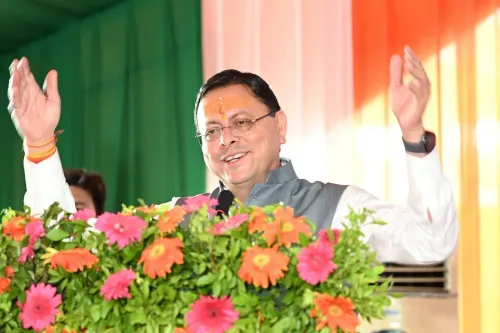
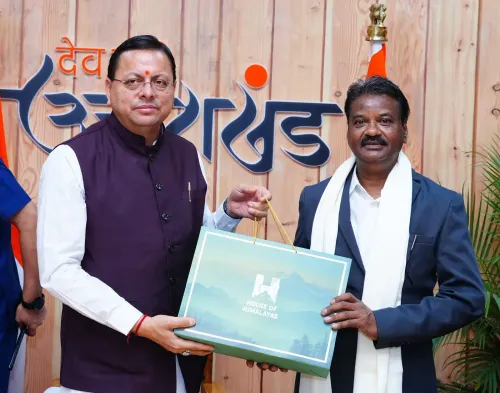
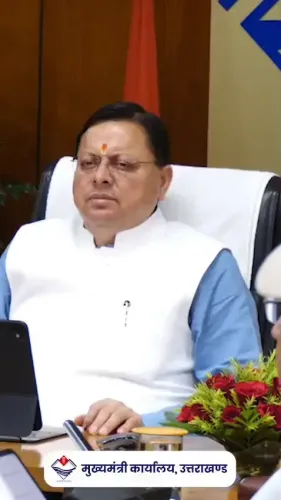
Chief Minister Pushkar Singh Dhami has sanctioned Rs 3.28 crore for external pathways and facilities at the Adi Kailash Temple in Pithoragarh's Dharchula block, with a first instalment of Rs 2.70 crore already approved, continuing Uttarakhand's push to develop remote Himalayan pilgrimage infrastructure.
Key Takeaways
Rs 3.28 crore sanctioned by CM Pushkar Singh Dhami for external pathways and facilities at Adi Kailash Temple , Dharchula, Pithoragarh.
A first instalment of Rs 2.70 crore has been separately approved as part of the phased project outlay.
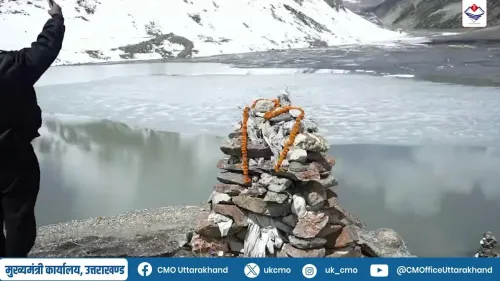
The site, located near the Indo-Tibet border , is a major Hindu pilgrimage destination also known as Chhota Kailash.
Dharchula development block in Pithoragarh district is the primary gateway for the Adi Kailash Yatra.
The investment continues Uttarakhand's long-standing policy of developing pilgrimage infrastructure in remote border districts to boost religious tourism and local employment.
Subsequent fund releases and construction timelines will determine readiness ahead of peak pilgrimage season.
The Chief Minister's Office of Uttarakhand announced on 25 June 2026 that Chief Minister Pushkar Singh Dhami has sanctioned Rs 3.28 crore for the construction of external pathways and associated facilities at the Adi Kailash Temple in Dharchula development block, Pithoragarh district. A separate first instalment of Rs 2.70 crore has also been approved under the same infrastructure push.
Context
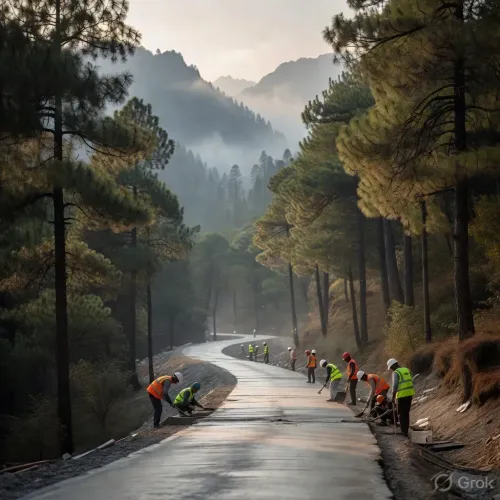
The official post states that the Chief Minister has approved 'वाह्य रास्ते एवं अन्य सुविधाओं के निर्माण हेतु' ('for the construction of external pathways and other facilities') at the Adi Kailash Temple, with a sanction of Rs 3.28 crore. A first instalment of Rs 2.70 crore has been released as part of the broader project outlay. The announcements signal a structured, phased approach to developing pilgrim infrastructure at the remote site.
Adi Kailash, also known as Chhota Kailash, is a revered Hindu pilgrimage destination situated in the high-altitude Himalayan terrain near the Indo-Tibet border in Pithoragarh. Dharchula serves as the principal gateway for pilgrims and trekkers heading to the site, making access infrastructure at this block critical to the yatra's viability.
Policy Backdrop
Uttarakhand has promoted the Adi Kailash Yatra as an alternative pilgrimage circuit since the early 2010s, partly to ease the seasonal burden on the more frequented Char Dham corridor. State tourism development plans since 2015 have included targeted road and facility upgrades across Pithoragarh's border blocks, with the current sanction continuing that trajectory.
Chief Minister Dhami, in office since 2021, has consistently prioritised tourism infrastructure in remote Himalayan districts as a twin lever for religious tourism growth and local economic activity. Similar investments have previously targeted access routes and amenities in the Kedarnath and Badrinath corridors, establishing a recognisable pattern of phased, site-specific capital allocation.
Stakeholders and Impact
Pilgrims undertaking the Adi Kailash Yatra stand to benefit most directly from improved pathways and on-site facilities, which can reduce the physical difficulty and safety risks associated with the high-altitude route. Local residents in Dharchula block and tourism operators in Pithoragarh district are also expected to see downstream economic gains as pilgrim footfall rises with better infrastructure.
The investment carries strategic significance beyond tourism: improved connectivity in border-adjacent blocks such as Dharchula contributes to the state's broader goal of strengthening presence and accessibility in areas close to the India-China and India-Nepal frontiers.
What's Next
With the first instalment of Rs 2.70 crore already sanctioned, the focus will shift to tendering, contractor selection, and ground-level construction timelines. Subsequent fund tranches, execution milestones, and the pace of facility completion will determine whether the project is ready ahead of the peak pilgrimage season.
If the infrastructure is delivered on schedule, the Adi Kailash circuit could emerge as a more prominent fixture in Uttarakhand's religious tourism calendar, drawing pilgrims who have so far prioritised the Char Dham route — reinforcing the state's ambition to diversify its Himalayan pilgrimage economy.
Point of View
With a first instalment already cleared, suggests administrative intent to move beyond announcement to execution. Whether ground-level delivery matches the political momentum will be the real test of this infrastructure push.
NationPress
24 Sept 2026
Frequently Asked Questions
How much money has been sanctioned for Adi Kailash Temple development?
Chief Minister Pushkar Singh Dhami has sanctioned Rs 3.28 crore for the construction of external pathways and other facilities at the Adi Kailash Temple in Dharchula, Pithoragarh. A first instalment of Rs 2.70 crore has also been approved as part of the same project.
Where is Adi Kailash Temple located?
Adi Kailash Temple, also called Chhota Kailash, is located in the Dharchula development block of Pithoragarh district in Uttarakhand, in the high-altitude Himalayan terrain near the Indo-Tibet border.
What is the Adi Kailash Yatra?
The Adi Kailash Yatra is a Hindu pilgrimage route in Uttarakhand that leads to the Adi Kailash peak and temple complex near the Indo-Tibet border. It has been promoted by the state government since the early 2010s as an alternative to the more crowded Char Dham circuit.
Who is the Chief Minister of Uttarakhand in 2026?
Pushkar Singh Dhami is the Chief Minister of Uttarakhand. He has been in office since 2021 and has prioritised tourism infrastructure and connectivity in remote Himalayan districts.
Why is Dharchula important for pilgrimage in Uttarakhand?
Dharchula is a development block in Pithoragarh district that serves as the primary gateway for treks and pilgrimages to Adi Kailash and other high-altitude sites near the Indo-Tibet border, making its road and facility infrastructure critical for pilgrims.