CM Dhami: Modi's Adi Kailash Visit Boosted Border Tourism

Synopsis
Uttarakhand CM Pushkar Singh Dhami credited PM Narendra Modi's visit to Adi Kailash in Pithoragarh with giving new prominence to spiritual tourism in border districts, saying rising pilgrim numbers have strengthened the local economy and generated fresh employment opportunities.
Key Takeaways
CM Pushkar Singh Dhami credited PM Modi's visit to Adi Kailash with elevating spiritual tourism in Uttarakhand's border region.
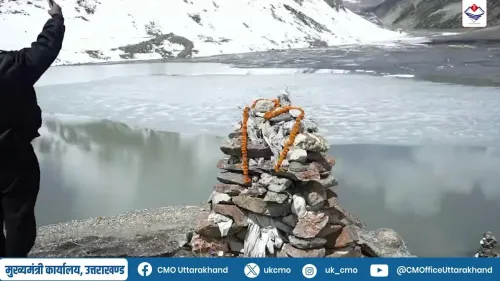
Adi Kailash is a sacred peak in Pithoragarh district , near the Indo-China border , revered as a form of Lord Shiva .
Dhami said rising pilgrim numbers have strengthened the local economy and created new employment opportunities for border communities.
Religious tourism is a core plank of Uttarakhand's strategy to retain population and generate livelihoods in remote frontier districts.
Official visitor data for the current pilgrimage season will be the key indicator of the scale of economic impact claimed.
A sacred peak near the Indo-China border is drawing more pilgrims than ever — and Uttarakhand Chief Minister Pushkar Singh Dhami says the credit goes to Prime Minister Narendra Modi's own journey to Adi Kailash, which he says has transformed spiritual tourism in the state's frontier districts.
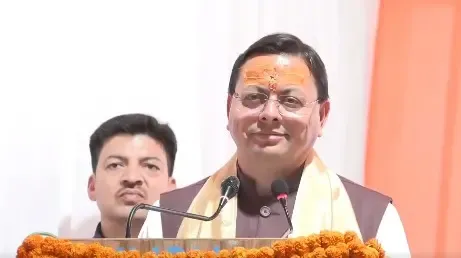
Posting on 6 August 2026, CM Dhami wrote that the Prime Minister's visit to Adi Kailash had given 'a new identity to spiritual tourism in the border region,' adding that the rising number of devotees had 'strengthened the local economy and created new employment opportunities.'
Adi Kailash: The Himalayan Peak Drawing Pilgrims to the Frontier
Adi Kailash — also called Chhota Kailash — is a sacred mountain in Pithoragarh district, tucked close to the Indo-China border and revered as a manifestation of Lord Shiva. For decades it remained a remote, difficult-to-reach pilgrimage, known mainly to the most dedicated devotees willing to trek high-altitude terrain in far Uttarakhand.
When Prime Minister Modi made the journey himself, the site's national profile shifted sharply. A head-of-government visit to a border pilgrimage carries a dual signal: spiritual endorsement and a quiet assertion of presence in a sensitive frontier zone.
Border Districts, Local Livelihoods, and the Tourism-Development Link
Uttarakhand's border districts have long faced twin pressures — strategic sensitivity and economic fragility. Young people migrate to the plains; villages thin out. Religious tourism has emerged as one of the state government's primary tools to reverse that drift, channelling pilgrim footfall into local homestays, porters' wages, and small businesses along the route.
CM Dhami has consistently framed central government initiatives — from road upgrades to the Char Dham all-weather highway — as directly translating into jobs and income for communities in these high-altitude corridors. His post on Adi Kailash follows that same logic: a high-profile visit generates attention, attention generates footfall, footfall generates livelihoods.
The broader pattern is deliberate policy. Indian governments have promoted pilgrimage circuits in Himalayan border districts as a way to simultaneously advance cultural goals and regional development — keeping communities economically anchored in areas that matter strategically. Adi Kailash is now part of that larger circuit.
Whether official visitor numbers and revenue data from the current pilgrimage season bear out the scale of the gains CM Dhami describes will be the real test — but the political and economic direction is unmistakable.
Point of View
Generate economic activity, and signal sovereign presence in sensitive border zones. With Uttarakhand heading into future election cycles, the border-district economy story gives the state government a tangible, voter-facing dividend to claim from central initiatives. The real political test will come when official footfall and revenue figures are published.
NationPress
21 Sept 2026
Frequently Asked Questions
Where is Adi Kailash located?
Adi Kailash is located in Pithoragarh district of Uttarakhand , close to the Indo-China border . It is a sacred peak revered as a manifestation of Lord Shiva and is also known as Chhota Kailash .
Why did PM Modi visit Adi Kailash?
PM Narendra Modi undertook a pilgrimage to Adi Kailash as part of his broader promotion of spiritual tourism in India's Himalayan border regions. The visit drew national attention to the site and boosted pilgrim interest.
How has Adi Kailash tourism helped the local economy?
According to CM Pushkar Singh Dhami , rising pilgrim numbers following PM Modi's visit have strengthened the local economy in Pithoragarh's border districts and created new employment opportunities for communities there.
What is Uttarakhand's approach to border district development?
Uttarakhand has made religious tourism a central pillar of development in its remote border districts, using pilgrim footfall to support local livelihoods, homestays, and small businesses while keeping communities economically anchored in strategically sensitive areas.
What did CM Dhami say about Adi Kailash on social media?
CM Pushkar Singh Dhami posted on 6 August 2026 that PM Modi's Adi Kailash visit had given 'a new identity to spiritual tourism in the border region' and that growing devotee numbers had strengthened the local economy and created fresh jobs.