Pilot Addresses Tonk Adivasi Congress Meet, Slams BJP on Welfare
Synopsis
Congress leader Sachin Pilot addressed the Tonk District Adivasi Congress conference on 17 July 2026, criticising the Rajasthan BJP government for failures in health, education, and tribal welfare, and pledging continued commitment to Adivasi rights and development.
Key Takeaways
Sachin Pilot addressed the Tonk District Adivasi Congress conference on 17 July 2026 .
Pilot accused the Rajasthan BJP government of allowing basic health and education services to deteriorate in tribal areas.
He alleged that BJP ministers are adopting an 'insensitive attitude' instead of resolving public grievances.
The conference discussed tribal rights, education, health, employment, and empowerment.
Pilot pledged Congress's continued commitment to protecting Adivasi community interests and regional development.
Congress is maintaining active organisational outreach in Tonk and Rajasthan's tribal belts since losing power in December 2023 .
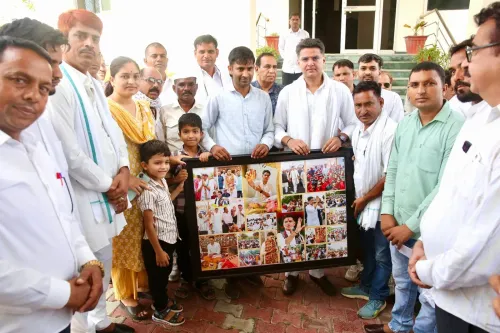
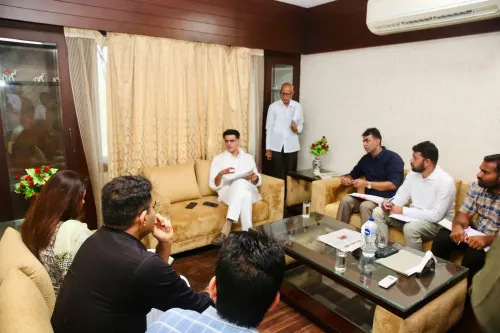
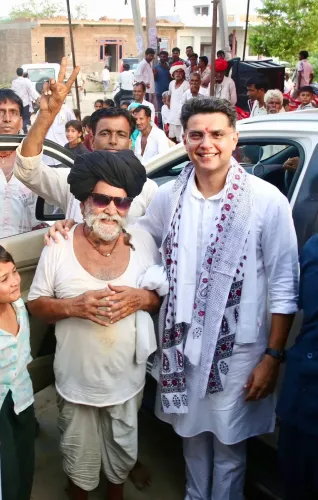
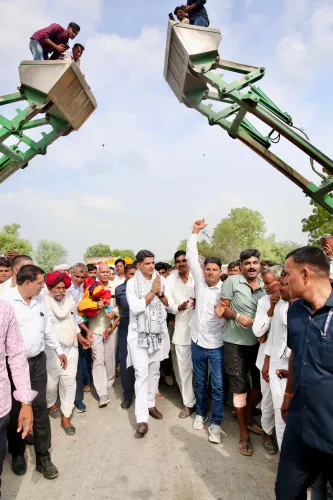
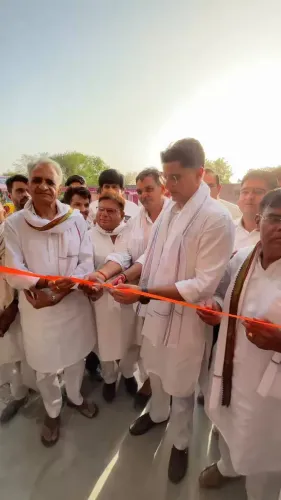
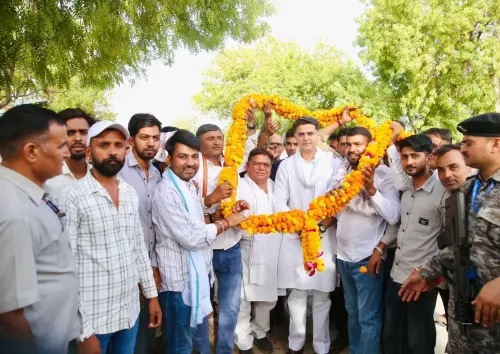
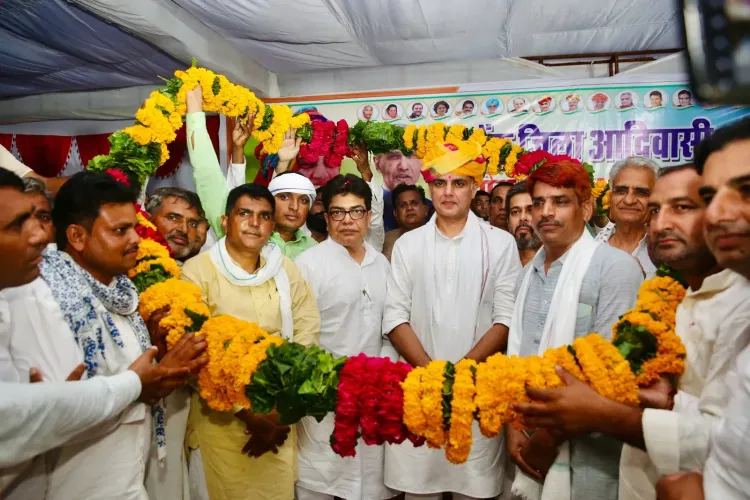
Congress leader and AICC General Secretary Sachin Pilot addressed a conference organised by the Tonk District Adivasi Congress on Friday, 17 July 2026, using the platform to accuse the Rajasthan BJP government of failing tribal communities on health, education, and employment.
Context
Speaking at the conference in Tonk, Pilot said the gathering provided an opportunity to discuss at length critical issues including adhikaar (rights), education, health, employment, and empowerment of tribal communities. He pledged continued commitment to protecting the interests of the Adivasi community and to the development of the region.
In his address, Pilot congratulated the District Congress Committee and the District Adivasi Congress for the successful organisation of the conference, signalling the party's intent to maintain an active organisational presence in the district's tribal belts.
Policy Backdrop
Tonk is a district with a mixed rural and tribal population in Rajasthan, and has historically been a focus area for welfare outreach by successive state governments. The Forest Rights Act, 2006 recognised individual and community rights over forest land for Scheduled Tribes and traditional forest dwellers, forming the legal backbone of tribal entitlement policy in India.
During the Congress-led Rajasthan government (2018–2023), tribal sub-plan allocations were expanded and health schemes such as extensions of the Chiranjeevi Yojana were introduced. The BJP returned to power in Rajasthan in December 2023, and has since faced opposition criticism over the continuity and delivery of such welfare programmes.
Stakeholders and Impact
Pilot's remarks directly targeted the BJP state administration, asserting that basic services including health and education are 'crumbling' — 'moolbhoot suvidhaen charmara rahi hain' — and that the ruling party's development claims are being 'exposed.' He further alleged that ministers are adopting an 'insensitive attitude' rather than resolving the problems of ordinary people.
The primary stakeholders in this political contestation are Adivasi communities across Rajasthan's rural districts, who depend on state-delivered health centres, government schools, and employment guarantee schemes. Opposition pressure of this kind is typically aimed at mobilising Scheduled Tribe voters ahead of local body or assembly by-elections.
What's Next
Congress is expected to continue its outreach in Rajasthan's tribal belts, with events such as the Tonk conference serving as organisational touchpoints. Observers will watch for developments in upcoming Rajasthan budget debates — particularly around tribal sub-plan and health-education outlays in the monsoon or winter legislative sessions — as well as any Congress-led protests or campaigns targeting Adivasi constituencies in the state.
Point of View
Visible impact on daily life — the party is attempting to convert governance grievances into durable political capital among Scheduled Tribe voters. The allegations of ministerial insensitivity are a calibrated rhetorical move, positioning Congress as an empathetic alternative ahead of any future electoral contest. The pattern mirrors opposition playbooks seen across other BJP-governed states where tribal welfare gaps have become a recurring flashpoint.
NationPress
16 Oct 2026
Frequently Asked Questions
Why did Sachin Pilot visit Tonk in July 2026?
Sachin Pilot visited Tonk on 17 July 2026 to address a conference organised by the Tonk District Adivasi Congress , where he spoke on tribal rights, health, education, and employment.
What did Sachin Pilot say about the Rajasthan BJP government?
Pilot accused the Rajasthan BJP government of allowing basic health and education services to 'crumble' and alleged that BJP ministers are adopting an insensitive attitude instead of solving the problems of ordinary people.
What is the Adivasi Congress?
The Adivasi Congress is a wing of the Indian National Congress focused on mobilising and representing Scheduled Tribe communities, and is active in states including Rajasthan.
What is Sachin Pilot's current role in Congress?
Sachin Pilot is currently an AICC General Secretary and the Congress party's in-charge for Chhattisgarh . He is also a former Deputy Chief Minister of Rajasthan.
What tribal welfare schemes existed in Rajasthan before the BJP came to power?
The previous Congress-led Rajasthan government (2018–2023) expanded tribal sub-plan allocations and extended health schemes such as the Chiranjeevi Yojana , which the current BJP administration has faced criticism for not sustaining effectively.