CM Dhami Clears Rs 190 Cr for Hydro, Roads, Police Fleet
Synopsis
Chief Minister Pushkar Singh Dhami cleared over Rs 190 crore on 13 August 2026 for a 12 MW hydroelectric project in Pithoragarh, road and bridge works in Tehri, Dehradun and Pauri Garhwal, and a 75-vehicle fleet upgrade for Uttarakhand Police.
Key Takeaways
Rs 159.60 crore approved by the Public Investment Board for the 12 MW Tankul Jal Vidyut Pariyojna in Pithoragarh district.
Rs 4.75 crore sanctioned for upgrading the Chaukori tourist rest house in Pithoragarh.
Road and bridge works totalling over Rs 14 crore approved across Tehri Garhwal, Dehradun and Pauri Garhwal districts.
A 36-metre double-lane bridge at Gabbar Singh Camp, Kotdwar cleared for Rs 3.31 crore .
75 vehicles — including Scorpios, Boleros, buses and trucks — approved for the Uttarakhand Police at a total outlay of Rs 12.00 crore .
Residual payment of Rs 68.01 lakh approved for five riot-control and jammer vehicles from FY 2025-26.
From a 12 MW hydroelectric project in a remote border district to interlocking tiles on village lanes in Dehradun — Chief Minister Pushkar Singh Dhami signed off on a sweeping bundle of infrastructure sanctions on 13 August 2026, releasing over Rs 190 crore across energy, roads, bridges and police modernisation in a single executive round.
Pithoragarh Gets Its Power Push
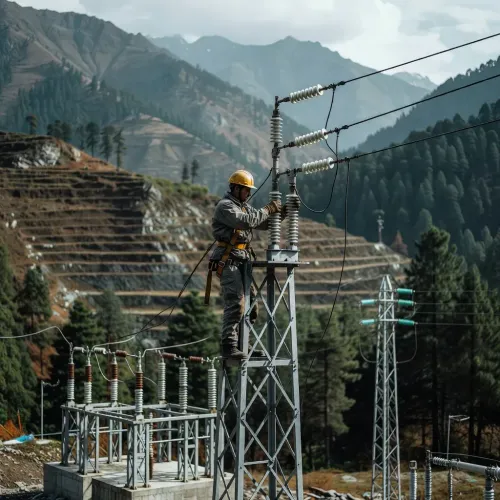
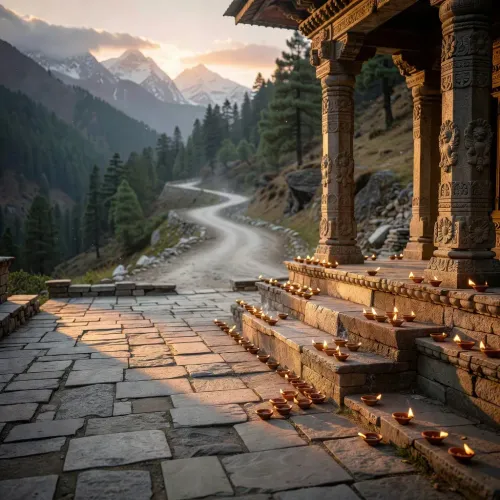
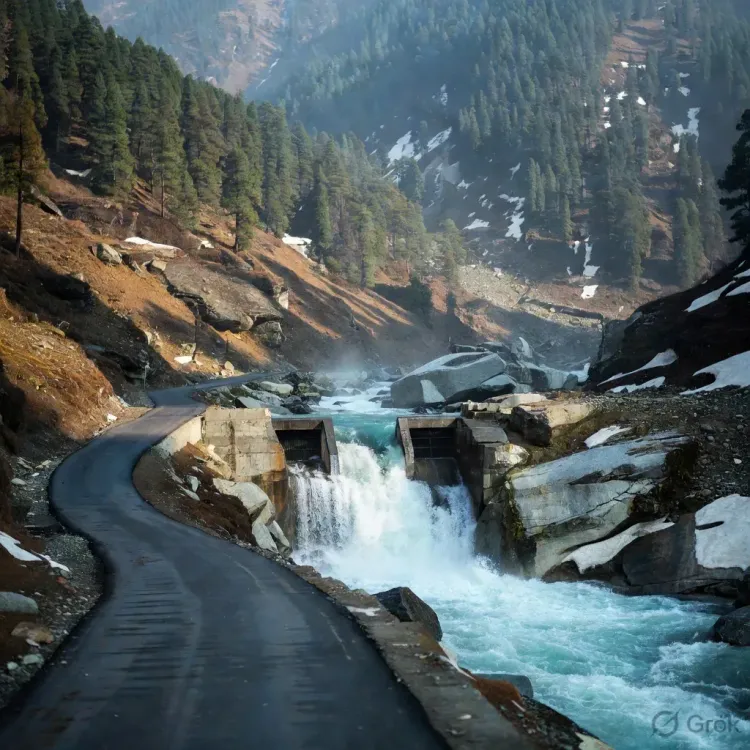
The centrepiece of the announcement is the Tankul Jal Vidyut Pariyojna, a 12 megawatt hydroelectric project in Pithoragarh district that has now received Rs 159.60 crore from the Public Investment Board for construction. Pithoragarh — a high-altitude border district sharing a frontier with Nepal and Tibet — has long faced chronic power shortfalls, and small-to-medium hydro has been the state's preferred fix since Uttarakhand's formation in 2000. Alongside the power project, the government cleared Rs 4.75 crore to upgrade and expand the Chaukori tourist rest house, a popular hill-station stop that has seen visitor pressure outpace its ageing infrastructure.
Roads Sanctioned Across Tehri, Dehradun and Pauri
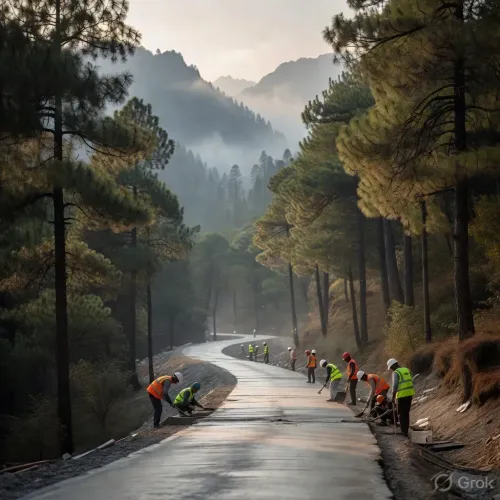
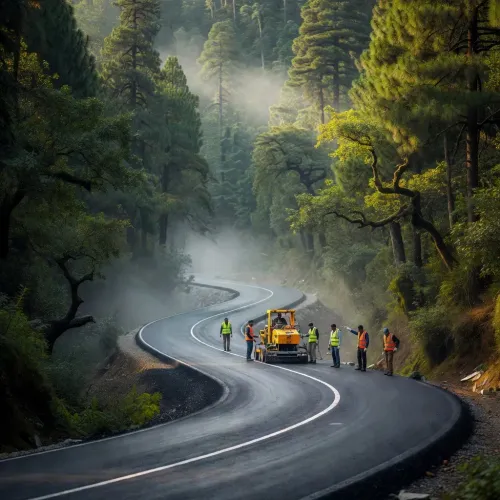
Under the State Plan, Rs 3.25 crore has been approved for the reconstruction and strengthening of the Saudi Lagga Kyari motor road in Jaunpur development block, Dhanolti assembly constituency, Tehri Garhwal. In Sahaspur constituency, Dehradun district, Rs 4.23 crore will fund interlocking tile construction and repair on damaged internal roads across seven villages: Sumeoru Vihar (Jhimwredi), Suddhowala, Selaqui, Ummedpur, Ambiwala, Thakurpur and Khushalpur. Further south, Rs 3.45 crore has been sanctioned for improvement of km 13 to 17 of the Kanskhait-Asgad-Ghandyal Dhar-Alasu-Kunkuli motor road in Kaljikhal development block, Pauri Garhwal. A separate Rs 3.31 crore will build a 36-metre double-lane bridge at Gabbar Singh Camp in Kotdwar, under Dugadda development block in the same district.
75 Vehicles and a Riot-Control Top-Up for Uttarakhand Police
The police department comes away with a significant capital boost. CM Dhami approved the purchase of 75 vehicles — comprising 21 Scorpios, 26 Boleros, four 32-seater buses, eight 24-seater buses, eight 12-seater buses, five 11-tonne trucks and three 4-tonne trucks. Additionally, Rs 68.01 lakh in residual payment for five riot-control and jammer vehicles procured in financial year 2025-26 has been approved, with a total outlay of Rs 12.00 crore placed at the disposal of the Director General of Police. Fleet modernisation of this scale is a periodic but politically visible exercise — it signals operational readiness at a time when Uttarakhand's difficult terrain places unusual logistical demands on its security forces.
Taken together, the approvals follow Uttarakhand's established pattern of bundling district-level works into a single executive announcement — a governance rhythm that keeps the pipeline visible without requiring separate press events for each sanction. The real test, as always, will be whether fund releases and contractor mobilisation keep pace with the financial year's calendar.
Point of View
And each new project nudges Uttarakhand closer to its self-sufficiency targets. The police fleet modernisation, though routine in frequency, carries a strategic subtext: a hill state with a long international border and difficult terrain needs mobile, well-equipped forces. The genuine accountability question is execution — Uttarakhand has a history of sanctions outpacing physical delivery, making fund-release timelines and contractor mobilisation the real story to watch through FY 2025-26.
NationPress
13 Aug 2026
Frequently Asked Questions
What is the Tankul Jal Vidyut Pariyojna in Pithoragarh?
The Tankul Jal Vidyut Pariyojna is a 12 megawatt hydroelectric project located in Pithoragarh district, Uttarakhand. The Public Investment Board has approved Rs 159.60 crore for its construction.
How much has Uttarakhand sanctioned for road works in August 2026?
Chief Minister Dhami approved over Rs 14 crore for road and bridge works across Tehri Garhwal, Dehradun and Pauri Garhwal districts, including a Rs 3.31 crore double-lane bridge at Kotdwar.
How many vehicles has the Uttarakhand government approved for the police?
CM Dhami approved the purchase of 75 vehicles for the Uttarakhand Police — 21 Scorpios, 26 Boleros, 20 buses of varying capacity, and 8 trucks — at a total outlay of Rs 12.00 crore.
What is the Public Investment Board in Uttarakhand?
The Public Investment Board is a state-level body in Uttarakhand that evaluates and approves funding for major public infrastructure projects before they proceed to construction.
Which villages in Dehradun will get new roads under this sanction?
Seven villages in Sahaspur constituency, Dehradun — Sumeoru Vihar (Jhimwredi), Suddhowala, Selaqui, Ummedpur, Ambiwala, Thakurpur and Khushalpur — will receive interlocking tile road construction and repair work funded by Rs 4.23 crore.