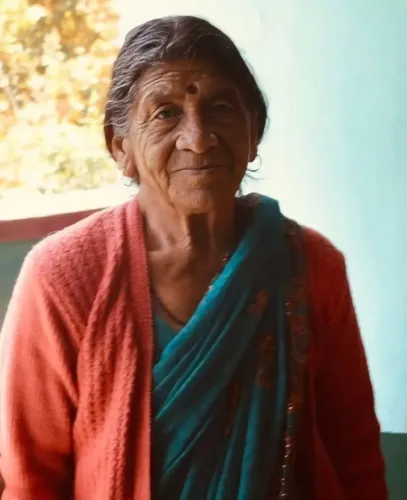
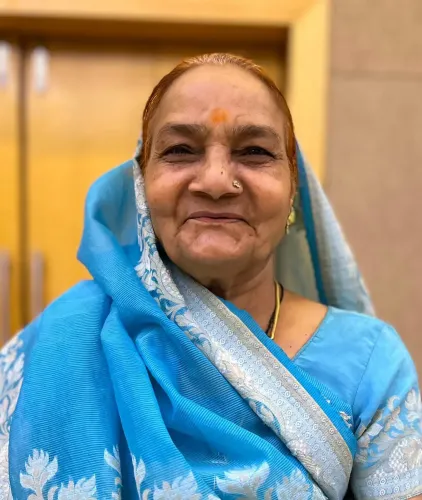
CM Dhami condoles passing of CM Yogi's mother Savitri Devi
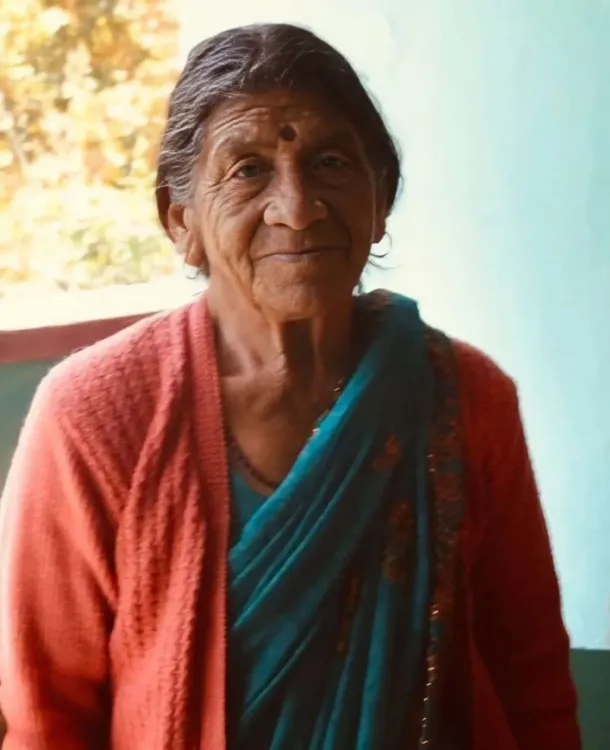
Synopsis
Uttarakhand Chief Minister Pushkar Singh Dhami issued a heartfelt condolence message on the passing of Savitri Devi, mother of UP CM Yogi Adityanath, calling it an irreparable loss and invoking Baba Kedarnath to grant her soul peace.
Key Takeaways
Uttarakhand CM Pushkar Singh Dhami formally condoled the passing of Savitri Devi , mother of UP CM Yogi Adityanath , on 20 November 2026 .
Dhami described the news as 'profoundly sorrowful and heart-rending' in his official condolence message.
He called a mother's affection, blessings, and tenderness 'life's most priceless treasure' and her loss an irreparable void for the family.
Dhami prayed to Baba Kedarnath for the departed soul's peace and for strength for all grieving family members.
Uttarakhand and Uttar Pradesh are both BJP -governed states sharing a long border and close administrative coordination.
A mother's love, Uttarakhand Chief Minister Pushkar Singh Dhami said on Friday, 20 November 2026, is life's most priceless treasure — and with the passing of Savitri Devi, mother of Uttar Pradesh Chief Minister Yogi Adityanath, that treasure has been lost forever.
Dhami expressed deep grief in a formal condolence message issued by the Chief Minister's Office of Uttarakhand, calling the news 'atyant dukhhad evam hridayavidarak' — 'profoundly sorrowful and heart-rending'. He described a mother's affection, blessings, and tenderness as irreplaceable, and her absence as an irreparable loss for the entire family.
A prayer to Baba Kedar
Dhami invoked Baba Kedarnath — one of the holiest Shaivite shrines in Uttarakhand and deeply sacred across the Hindi belt — praying that the departed soul be granted a place at the Lord's feet. He also prayed that Yogi Adityanath and all grieving family members be given the strength to bear this immense sorrow. The choice of Kedarnath as the spiritual reference carries particular resonance: Dhami's government has invested heavily in restoring and expanding the Kedarnath shrine complex, and the deity holds cultural significance across both Uttarakhand and Uttar Pradesh.
BJP chief ministers, shared borders, shared grief
Uttarakhand and Uttar Pradesh share a long administrative border and are both governed by the Bharatiya Janata Party. The two states routinely coordinate on river management, Char Dham pilgrimage logistics, and infrastructure along their common boundary. Formal condolence messages between chief ministers on personal bereavements are a well-established part of Indian political protocol — but Dhami's warm, personally-toned message goes beyond bureaucratic courtesy, reflecting the ideological proximity and working relationship between the two administrations.
Yogi Adityanath, who has led Uttar Pradesh since 2017, hails from the Gorakhpur region and is known as much for his identity as a religious figure as for his political role. The loss of a parent carries particular public weight for a leader whose public persona is inseparable from devotion and tradition.
Grief, in Indian political life, is never purely private. When one chief minister writes to another, every word is freighted — and Dhami's message, anchored in the language of maa ki mamata (a mother's unconditional love), strikes exactly that register: human, respectful, and rooted in shared belief.
Point of View
Where chief ministers of allied or border states formally acknowledge personal bereavements of their counterparts. What lifts it slightly above routine is Dhami's invocation of Kedarnath — a shrine his own government has poured resources into — as the spiritual frame for the prayer, reinforcing a shared cultural and ideological vocabulary between two BJP administrations. It reflects the degree to which personal piety and political identity are intertwined in the current governing establishment. The message also signals the warmth of the Uttarakhand-Uttar Pradesh bilateral relationship, which has practical stakes in pilgrimage infrastructure, river management, and border-district development.
NationPress
20 Nov 2026
Frequently Asked Questions
Who is Savitri Devi in relation to Yogi Adityanath?
Savitri Devi was the mother of Uttar Pradesh Chief Minister Yogi Adityanath. Her passing prompted formal condolence messages from political leaders across the country.
What did Uttarakhand CM Pushkar Singh Dhami say about Savitri Devi's passing?
Dhami called the news 'profoundly sorrowful and heart-rending', described a mother's love as life's most priceless treasure, and prayed to Baba Kedarnath for her soul's peace and for strength for the grieving family.
Why did Dhami invoke Baba Kedarnath in his condolence message?
Kedarnath is one of the holiest Shaivite shrines, located in Uttarakhand and deeply revered across North India. Invoking the deity reflects both the spiritual tradition of the region and the shared religious culture between Uttarakhand and Uttar Pradesh.
What is the relationship between Uttarakhand and Uttar Pradesh governments?
Both states are governed by the BJP and share a long administrative border. They coordinate closely on issues including Char Dham pilgrimage logistics, river management, and border-region infrastructure.
Is it common for Indian chief ministers to send condolences on personal bereavements?
Yes. Formal condolence messages from chief ministers of neighbouring or allied states on personal bereavements are a well-established part of Indian political protocol, reflecting inter-state courtesy and solidarity.