Uttarakhand's 'Kiwi Man' earns ₹6 lakh yearly from kiwi candy
Synopsis
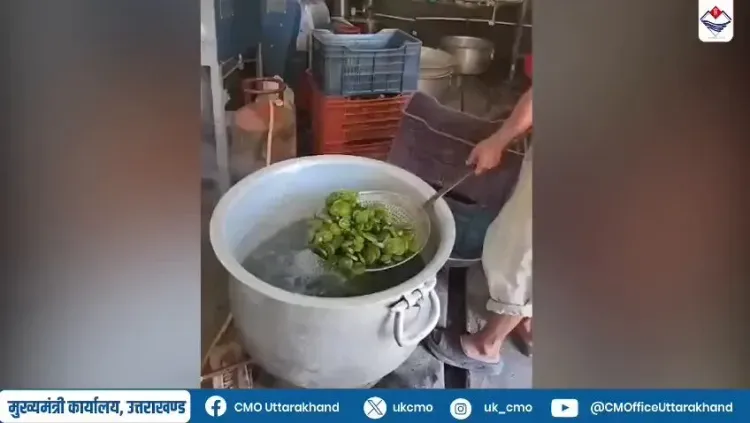
Bhawan Singh Koranga, the 'Kiwi Man' of Kapkot in Bageshwar, Uttarakhand, earns ₹6 lakh a year selling kiwi candy — a micro-enterprise the Chief Minister's Office is highlighting as a model for Vocal for Local and hill-district rural development.
Key Takeaways
Bhawan Singh Koranga of Kapkot, Bageshwar is known as the 'Kiwi Man' of Uttarakhand for making and selling kiwi candy.
He earns ₹6 lakh annually from kiwi candy sales, moving up the agricultural value chain beyond raw-fruit selling.
The Chief Minister's Office of Uttarakhand spotlighted his story on November 20, 2026 under the Vocal for Local banner.
The Vocal for Local campaign, launched nationally from 2020 , promotes indigenous goods and rural micro-enterprises under Atmanirbhar Bharat .
Koranga's model — local crop, local processing, branded product — is seen as a replicable template for other Himalayan hill districts fighting out-migration and low farm incomes.
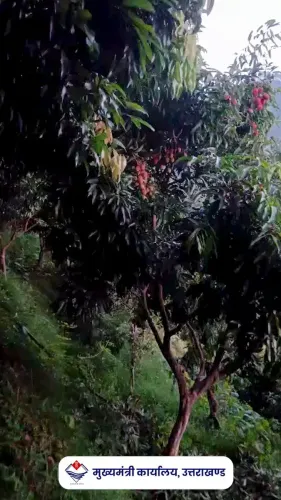
A farmer from the high hills of Bageshwar district is quietly rewriting what rural enterprise can look like in the Himalayas. Bhawan Singh Koranga of Kapkot, now celebrated across Uttarakhand as the 'Kiwi Man', earns ₹6 lakh annually by transforming locally grown kiwi fruit into candy — turning a mountain crop into a market-ready product and becoming a living emblem of the 'Vocal for Local' movement.
The Chief Minister's Office of Uttarakhand spotlighted Koranga's story on Friday, November 20, 2026, calling him a 'new example' (nayi misal) of the Vocal for Local ideal — the national push under Atmanirbhar Bharat to champion homegrown goods over imports. The post underscores a deliberate state narrative: that Uttarakhand's hills are not just scenic backdrops but viable commercial landscapes.
From orchard to candy: Kapkot's kiwi value chain
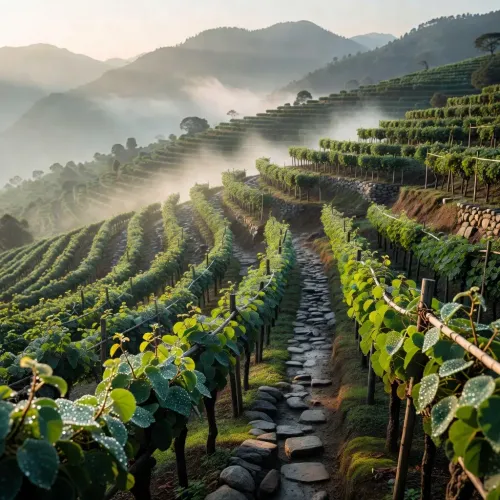
Bageshwar, a hilly district tucked into the Kumaon division of Uttarakhand, has long practiced horticulture as a livelihood strategy. What Koranga has done is push one rung higher up the value chain — processing raw kiwi into candy rather than selling unprocessed fruit at low farmgate prices. That shift, from commodity to value-added product, is precisely what state and central agricultural schemes have urged hill farmers to attempt for years.
The Vocal for Local campaign, amplified nationally from 2020 onward, was designed to spark exactly this kind of micro-enterprise: a local producer finding a local solution, reducing dependence on goods made far away, and keeping money circulating within regional economies. Koranga's kiwi candy is a textbook case — raw material sourced from his own hills, processing done locally, and a branded identity ('Kiwi Man') strong enough to anchor repeat business.
Why the Bageshwar model matters for Himalayan districts
Uttarakhand's hill districts face a persistent challenge: fertile land and distinctive produce, but limited infrastructure for processing and marketing. Farmers who rely solely on fresh-fruit sales are vulnerable to price crashes and spoilage. Koranga's candy model insulates against both — processed products store longer, travel further, and command a premium. At ₹6 lakh a year, his income sits meaningfully above what a typical small-plot hill farmer earns from unprocessed horticulture.
State horticulture missions and central schemes have offered subsidies for processing units in districts like Bageshwar, but adoption has been uneven. Stories like Koranga's serve a dual purpose for the government: they celebrate an individual success and implicitly market the policy framework that enabled it — crop diversification, rural entrepreneurship support, and the broader Atmanirbhar Bharat push.
In a state where out-migration from hill villages remains a stubborn demographic problem, a ₹6 lakh kiwi candy business in Kapkot is more than a feel-good headline. It is a data point in the argument that the mountains can pay.
Point of View
The government simultaneously celebrates individual enterprise and signals that its horticulture and processing-support schemes are delivering results on the ground. The broader challenge, however, is scale — isolated success stories in Bageshwar need institutional backing (cold chains, market linkages, processing subsidies) to become a district-wide or state-wide pattern rather than exceptional outliers. If Uttarakhand can systematically replicate the Koranga model across its hill districts, the economic case for staying in the mountains — rather than migrating to the plains — gets materially stronger.
NationPress
20 Nov 2026
Frequently Asked Questions
Who is Bhawan Singh Koranga, the 'Kiwi Man' of Uttarakhand?
Bhawan Singh Koranga is a farmer from Kapkot in Bageshwar district, Uttarakhand, who gained recognition for producing and selling kiwi candy made from locally grown kiwi fruit, earning the nickname 'Kiwi Man.'
How much does Bhawan Singh Koranga earn from kiwi candy?
According to the Uttarakhand Chief Minister's Office, Koranga earns approximately ₹6 lakh annually from selling kiwi candy.
What is the Vocal for Local campaign and how does it relate to Koranga?
Vocal for Local is a national initiative under Atmanirbhar Bharat, promoted from 2020 onward, that encourages consumption of domestically produced goods and supports rural micro-enterprises. Koranga's kiwi candy business is cited as a model example of this campaign in action.
Where is Kapkot and why is it suitable for kiwi farming?
Kapkot is a town in Bageshwar district, located in the Kumaon Himalayas of Uttarakhand. The hilly terrain and climate of the region are suitable for horticulture, including kiwi cultivation.
Why is value-added processing important for hill farmers in Uttarakhand?
Hill farmers who sell only raw fruit face low farmgate prices and high spoilage risks. Processing crops into products like candy extends shelf life, allows wider distribution, and commands a higher price — significantly improving farmer incomes, as Koranga's example illustrates.