Nadda flags ABVIMS seat expansion plan, from 100 to 250
Synopsis
Union Health Minister J. P. Nadda on 20 November 2026 addressed students at ABVIMS in New Delhi, highlighting the institute's plan to triple medical seat capacity from 100 to 250 and construct a new super-specialty block, calling these milestones symbols of the institution's bright future.
Key Takeaways
Union Health Minister J.
Nadda addressed students at Atal Bihari Vajpayee Institute of Medical Sciences (ABVIMS) on 20 November 2026 .
The institute has a plan to expand MBBS/medical seat capacity from 100 to 250 — a 2.5x increase.
A new state-of-the-art super-specialty block is under development at the institution.
ABVIMS is affiliated with Dr.
Ram Manohar Lohia Hospital , New Delhi, and is named after former PM Atal Bihari Vajpayee .
Nadda praised the institute's track record in research, organ donation, and surgery .
The expansion aligns with the central government's broader push to increase medical seats at existing public institutions rather than only building new campuses.
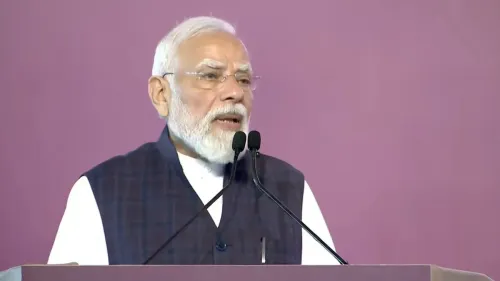
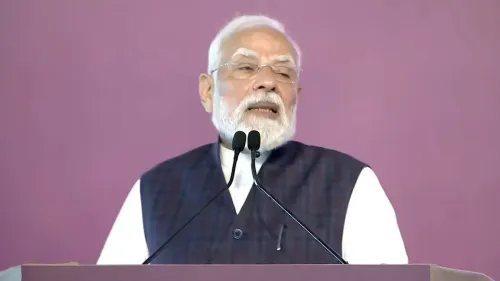
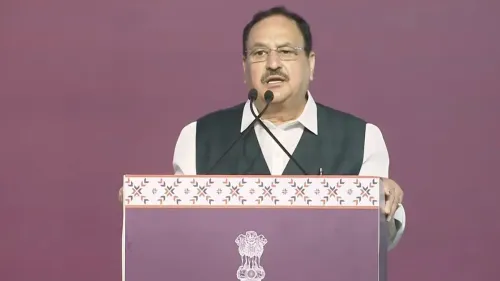
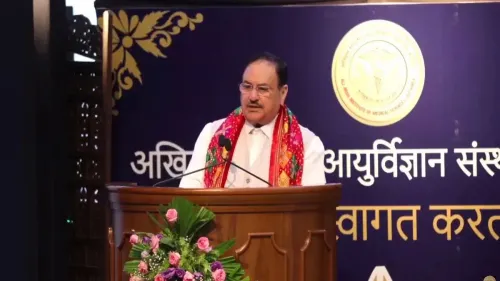
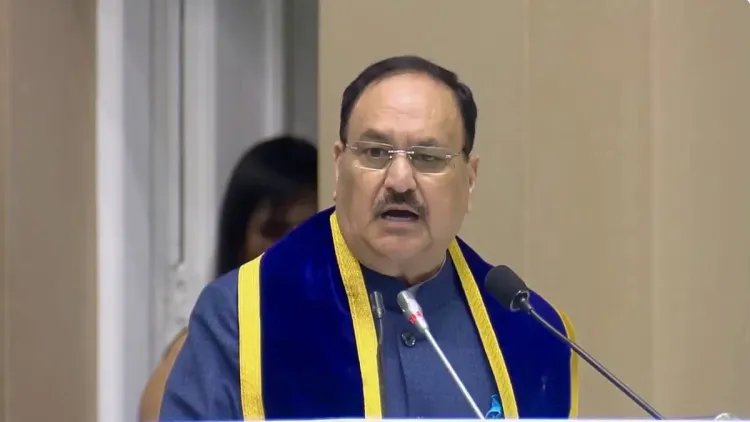
A 250-seat medical college, a cutting-edge super-specialty block, and an institution already carving its name in organ donation and surgery — Union Health Minister J. P. Nadda on Friday, 20 November 2026, spotlighted an ambitious growth roadmap for the Atal Bihari Vajpayee Institute of Medical Sciences (ABVIMS) in New Delhi, telling students there that being part of such an institution was both a privilege and a responsibility.
What Nadda said — and the numbers that matter
Speaking to students, Nadda said the institute had built a 'distinct identity' in research, organ donation, surgery, and quality healthcare. He praised the breadth of clinical exposure students receive alongside their medical education. The Minister highlighted three forward-looking signals: ongoing infrastructure development, a plan to expand seat capacity from 100 to 250, and the construction of a state-of-the-art super-specialty block — calling them symbols of the institution's 'bright future.'
In Hindi, he noted: 'यहां आपको उत्कृष्ट मेडिकल एजुकेशन के साथ व्यापक क्लिनिकल अनुभव भी मिल रहा है' — 'Here you receive excellent medical education along with broad clinical experience.' That combination, he suggested, is precisely what a modern medical professional needs.
ABVIMS: the institution behind the name
ABVIMS is affiliated with Dr. Ram Manohar Lohia Hospital, one of the central government's flagship tertiary-care facilities in the capital. The institute is named after former Prime Minister Atal Bihari Vajpayee, who served from 1998 to 2004 and whose tenure saw significant investments in healthcare infrastructure. The dual association — with a revered political legacy and a high-volume public hospital — gives the institute unusual reach: students learn in classrooms that open directly onto one of Delhi's busiest clinical environments.
Seat expansion in a broader national push
The proposed jump from 100 to 250 seats fits a pattern that has defined health ministry thinking since the mid-2010s: unlock more doctors from existing public institutions rather than waiting for greenfield campuses to come online. Successive Union Budgets have backed seat additions and super-specialty block upgrades at established government colleges, a strategy that costs less per additional seat than building new All India Institutes of Medical Sciences from scratch.
The policy lineage traces back at least to the Pradhan Mantri Swasthya Suraksha Yojana (PMSSY), launched in 2003, which set the template for strengthening tertiary healthcare and medical education infrastructure at the central level. What was then a corrective measure for regional imbalances has since evolved into a steady infrastructure pipeline that institutions like ABVIMS now draw from.
The timeline and funding mechanism for the 100-to-250 expansion and the super-specialty block are yet to be confirmed through parliamentary or budgetary announcements — those details will be the ones to watch in coming months.
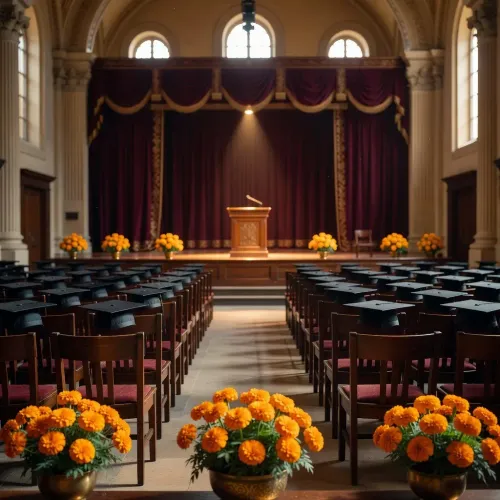
For the students in that hall on Friday, the message was clear: the institution is investing in them, and the country is investing in the institution. That is a rare alignment — and one that rarely stays quiet for long.
Point of View
Thereby making the upgrade feel earned rather than promised. The 100-to-250 seat plan, if executed, would meaningfully increase doctor output from a centrally-run institution that feeds directly into one of Delhi's highest-footfall public hospitals. It also positions the BJP government to claim credit for expanding medical education without the decade-long gestation of a new AIIMS. The unresolved question — precise timelines and budget allocation — is precisely what keeps this in the 'announcement' column rather than the 'achievement' one; the credibility of the expansion will hinge on what the next Union Budget says.
NationPress
20 Nov 2026
Frequently Asked Questions
What is the Atal Bihari Vajpayee Institute of Medical Sciences (ABVIMS)?
ABVIMS is a premier medical education and research institute in New Delhi affiliated with Dr. Ram Manohar Lohia Hospital. It is named after former Prime Minister Atal Bihari Vajpayee and is known for work in organ donation, surgery, and research.
What did J. P. Nadda say about ABVIMS seat expansion?
On 20 November 2026, Nadda highlighted a plan to expand the institute's seat capacity from 100 to 250 and to build a new super-specialty block, calling these developments symbols of the institution's bright future.
How many medical seats does ABVIMS currently have?
ABVIMS currently has a capacity of 100 seats, with a stated plan to expand to 250 seats as part of ongoing infrastructure development.
What is the Pradhan Mantri Swasthya Suraksha Yojana and how is it related?
PMSSY, launched in 2003, is a central government scheme to strengthen tertiary healthcare and medical education infrastructure. It established the policy template that underpins ongoing capacity expansions at government medical colleges like ABVIMS.
Which hospital is ABVIMS affiliated with?
ABVIMS is affiliated with Dr. Ram Manohar Lohia Hospital in New Delhi, one of the central government's flagship tertiary-care facilities.