CM Dhami: Uttarakhand Minority Education Body Not to Alter Rights
Synopsis
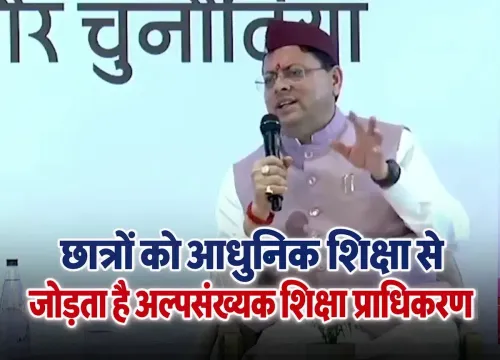
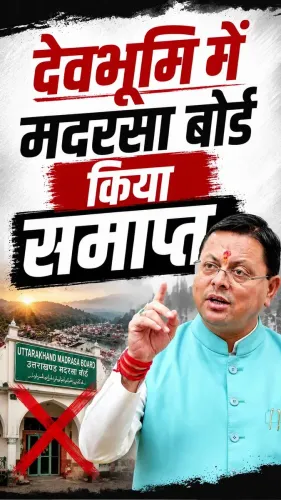
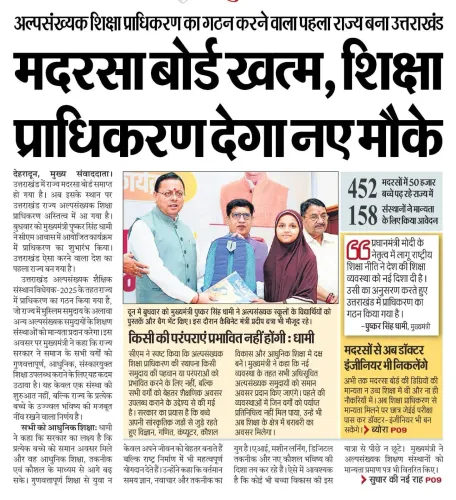
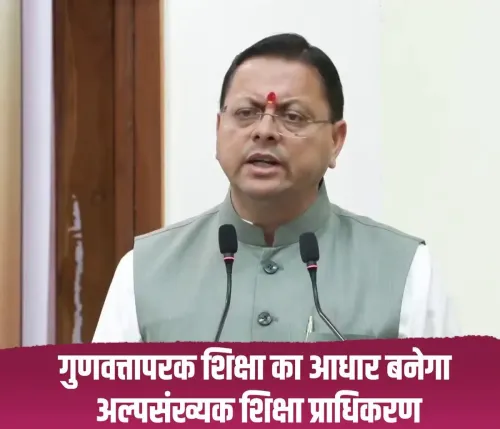
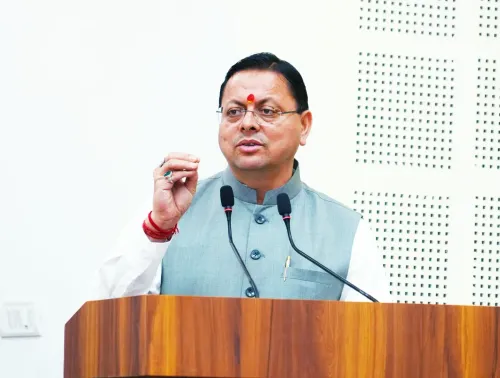
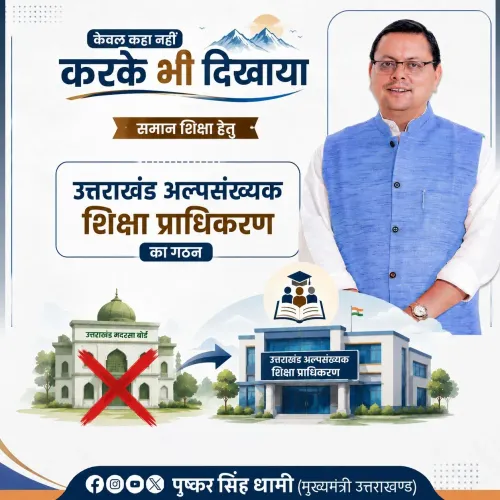
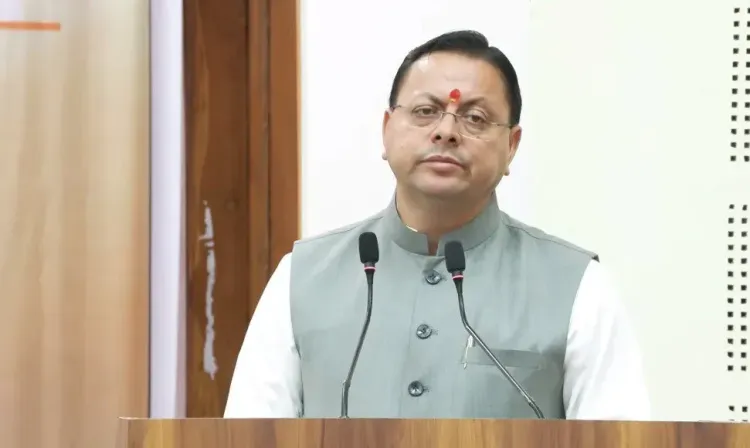
Chief Minister Pushkar Singh Dhami on 1 July 2026 clarified that the newly established Uttarakhand State Minority Education Authority is transparent and modern, and will not interfere with the religious identity, traditions, or rights of any community in the state.
Key Takeaways
CM Pushkar Singh Dhami on 1 July 2026 issued a clarification on the Uttarakhand State Minority Education Authority .
He described the new body as 'transparent, modern, and suited to the needs of the future.' Dhami explicitly stated the authority was not established to affect the religious identity, traditions, or rights of any community.
The authority aligns with National Education Policy 2020 goals of inclusive, modernised education.
Similar minority education regulatory bodies have been set up in several Indian states over the past decade under the Article 30 constitutional framework.
Operational guidelines and state budget allocations for the authority are awaited.
The Chief Minister's Office of Uttarakhand, on Wednesday, 1 July 2026, quoted Chief Minister Pushkar Singh Dhami clarifying the intent behind the establishment of the Uttarakhand State Minority Education Authority, asserting that the new body is designed to be transparent, modern, and future-ready — and will not interfere with the religious identity, traditions, or rights of any community.
Context
Speaking on the formation of the authority, CM Dhami stated: 'Yeh nayi vyavastha paaradarshi, aadhunik aur bhavishy ki zarooraton ke hisaab se hai' ['This new system is transparent, modern, and suited to the needs of the future']. He further emphasised that the Uttarakhand State Minority Education Authority has not been established to affect the religious identity, traditions, or rights of any community. The clarification appears aimed at addressing apprehensions among minority groups about the scope of the new regulatory body.
Policy Backdrop
Uttarakhand, a northern Indian state formed in 2000, has been undertaking education reforms aligned with the National Education Policy 2020, which calls for inclusive and modernised education systems across all communities. The creation of a dedicated minority education authority follows a broader national pattern: several Indian states have established similar bodies over the past decade to oversee funding, curriculum standards, and transparency in minority-run institutions. Such authorities operate within the constitutional framework of Article 30, which guarantees minority communities the right to establish and administer educational institutions of their choice.
The move signals the Dhami government's intent to bring minority education under a structured regulatory umbrella without — as the Chief Minister has stressed — encroaching on the cultural or religious character of those institutions. The distinction between administrative oversight and interference in religious or community identity is central to the government's stated position.
Stakeholders and Impact
The primary stakeholders are minority communities across Uttarakhand — including religious and linguistic minorities — whose educational institutions would fall under the purview of the new authority. Educational administrators, teachers, and students in minority-run schools and colleges stand to be directly affected by the operational guidelines the authority will eventually issue. Minority community leaders and civil society organisations are likely to watch the rollout closely to assess whether the body's functioning aligns with the assurances given by CM Dhami.
Proponents argue that a dedicated authority can streamline access to state funding, enforce quality standards, and provide a formal grievance channel for minority institutions — benefits that have been cited in similar frameworks established in other states. Critics and community representatives, however, have historically been cautious about such bodies, seeking guarantees that administrative oversight does not translate into interference in curriculum or management.
What's Next
The immediate focus will be on the rollout of operational guidelines by the Uttarakhand State Minority Education Authority and any corresponding allocations in the state budget for minority education infrastructure. Stakeholders will look for concrete details on the authority's mandate, composition, and accountability mechanisms. CM Dhami's public assurances, if backed by transparent institutional design, could set a replicable model for minority education governance in other hill states grappling with similar reform imperatives.
Point of View
The BJP-led government is attempting to frame administrative oversight as a service rather than a control mechanism. The statement also reflects a broader tension in Indian federalism: how states operationalise NEP 2020's modernisation mandate while respecting Article 30 guarantees. The credibility of this assurance will ultimately rest on the authority's composition, funding decisions, and how it handles disputes with minority institutions.
NationPress
30 Sept 2026
Frequently Asked Questions
What is the Uttarakhand State Minority Education Authority?
The Uttarakhand State Minority Education Authority is a newly established regulatory body in Uttarakhand intended to oversee minority education in the state, with a stated focus on transparency and modernisation, according to Chief Minister Pushkar Singh Dhami.
Will the Uttarakhand minority education authority affect religious rights of communities?
CM Pushkar Singh Dhami has explicitly stated that the authority has not been established to affect the religious identity, traditions, or rights of any community in Uttarakhand.
Why did CM Dhami clarify the purpose of the minority education authority?
The clarification appears aimed at addressing concerns among minority communities about whether the new body could interfere with the cultural or religious character of their educational institutions.
Which constitutional provision protects minority educational institutions in India?
Article 30 of the Indian Constitution guarantees minority communities — religious and linguistic — the right to establish and administer educational institutions of their choice, forming the legal backdrop for such authorities.
What happens next after the Uttarakhand State Minority Education Authority is established?
The next steps involve the rollout of the authority's operational guidelines and potential state budget allocations for minority education infrastructure, which stakeholders and community groups will monitor closely.