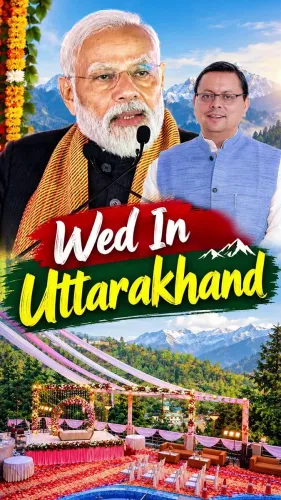
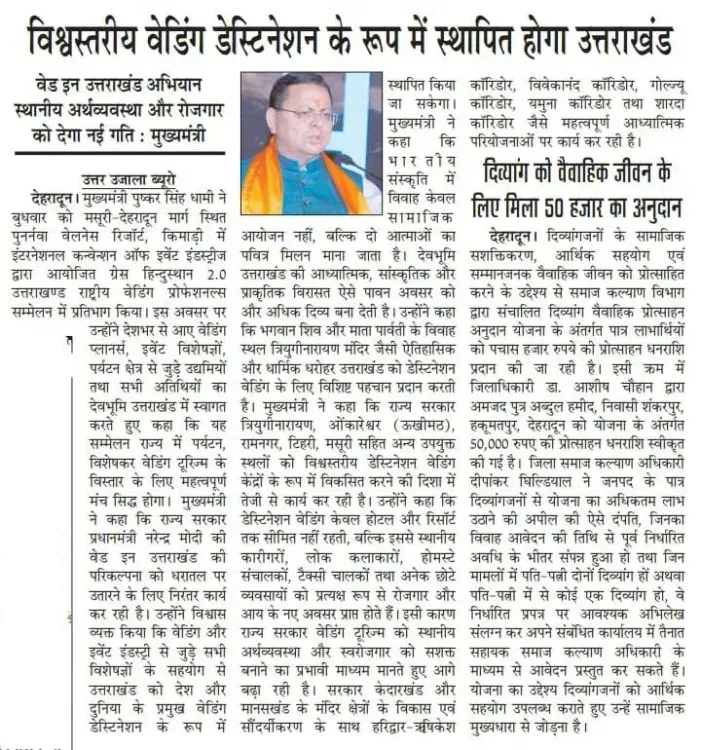
CM Dhami: Uttarakhand to be World-Class Wedding Destination
Synopsis
Chief Minister Pushkar Singh Dhami has announced that Uttarakhand will be developed into a world-class wedding destination, signalling a strategic push to diversify the Himalayan state's tourism economy and compete with Rajasthan and Goa in the high-spend destination wedding segment.
Key Takeaways
CM Pushkar Singh Dhami announced on 16 July 2026 that Uttarakhand will be positioned as a world-class wedding destination.
The move targets the high-spend destination wedding segment, currently dominated by Rajasthan and Goa .
Uttarakhand's Himalayan landscapes, hill stations, and spiritual sites offer a distinct alternative for wedding venues.
Tourism operators, resort developers, and local hospitality businesses across Mussoorie, Nainital, Rishikesh and Haridwar are key stakeholders.
The strategy aims to generate year-round revenue, reducing dependence on peak summer and pilgrimage seasons.
Follow-up policy announcements on venue development and regulatory facilitation are expected.
The Chief Minister's Office of Uttarakhand announced on Thursday, 16 July 2026, that Chief Minister Pushkar Singh Dhami has declared the state's intent to establish itself as a world-class wedding destination, signalling a significant push to diversify the Himalayan state's tourism economy beyond conventional leisure travel.
Context
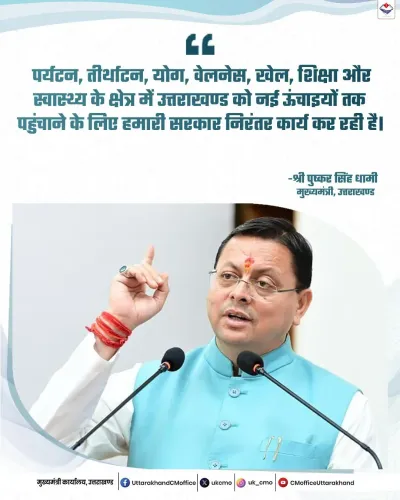
The post, shared by the official Chief Minister's Office account, quotes CM Dhami directly: 'Vishwa stariya wedding destination ke roop mein sthapit hoga Uttarakhand' ('Uttarakhand will be established as a world-class wedding destination'). The announcement positions the state as a serious contender in the high-spend destination wedding segment, a market that has historically been dominated by Rajasthan and Goa.
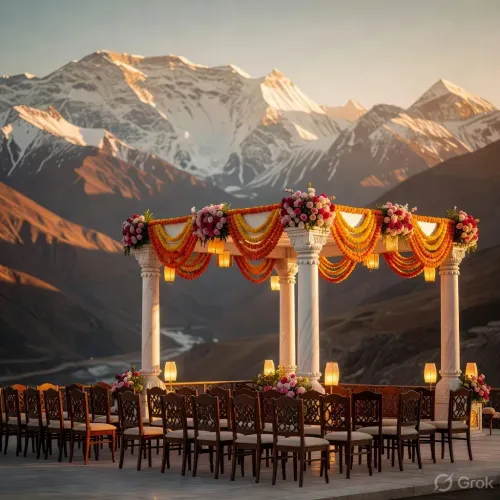
Uttarakhand's natural assets — snow-capped Himalayan backdrops, verdant hill stations, and a dense network of heritage temples and spiritual sites — offer a distinct aesthetic that wedding planners and couples increasingly seek as alternatives to conventional venues.
Policy Backdrop
Since the state's formation in 2000, successive Uttarakhand governments have pursued tourism-led economic growth through infrastructure upgrades and policy incentives. The Dhami administration, in office since 2021, has maintained tourism promotion as a central pillar of its development agenda.
Across India, states have moved aggressively to capture the destination wedding segment, which generates high per-visitor spending on hospitality, logistics, catering, and ancillary services. Uttarakhand's positioning follows this national trend while leveraging its unique spiritual and scenic brand identity — a combination few competing states can replicate.
Stakeholders and Impact
The announcement is expected to be closely watched by tourism operators, resort developers, and hospitality businesses operating across the state's key locations including Mussoorie, Nainital, Rishikesh, Haridwar, and the Kumaon hill districts. These locations already host luxury properties but have not been systematically marketed for large-format weddings.
A concerted push into the wedding tourism segment could generate year-round revenue streams, reducing the sector's dependence on peak summer and pilgrimage seasons. Local vendors — florists, tent-house operators, caterers, and transport providers — stand to benefit directly from increased wedding footfall.
What's Next
Industry observers and tourism stakeholders will now watch for follow-up announcements detailing venue development plans, regulatory facilitation for large private events on forest-adjacent or heritage land, and any new tourism policy incentives tied to the wedding segment. Formal policy instruments — such as a dedicated wedding tourism package or single-window clearance for event organisers — would be the next logical step to translate CM Dhami's stated vision into an operational framework.
If Uttarakhand moves swiftly on enabling infrastructure and ease-of-event regulations, it could carve out a distinctive niche in India's booming destination wedding economy and set a template for other Himalayan states.
Point of View
Making the segment strategically attractive for a state with constrained flat land and fragile ecology. The announcement fits a broader pattern of Himalayan states competing for premium tourism niches as mass tourism faces environmental and infrastructure ceilings. Whether the vision translates into policy action will depend on how quickly the government addresses land-use regulations, event permissions, and connectivity gaps that currently deter large-scale wedding organisers.
NationPress
15 Oct 2026
Frequently Asked Questions
Why is Uttarakhand being promoted as a wedding destination?
Uttarakhand offers unique Himalayan scenery, spiritual sites, and hill stations that distinguish it from existing wedding hubs like Rajasthan and Goa, and the high per-event spending of destination weddings can diversify the state's tourism revenue beyond seasonal peaks.
What did CM Dhami say about Uttarakhand wedding tourism?
CM Pushkar Singh Dhami stated that Uttarakhand will be established as a world-class wedding destination, signalling a government-backed push to develop the state's infrastructure and appeal for large-format weddings.
Which places in Uttarakhand could host destination weddings?
Locations such as Mussoorie, Nainital, Rishikesh, Haridwar, and the Kumaon hill districts are considered prime candidates given their existing luxury hospitality infrastructure and scenic settings.
How does Uttarakhand compare to Rajasthan and Goa for destination weddings?
While Rajasthan and Goa lead in wedding tourism due to established palace venues and beach resorts respectively, Uttarakhand offers a Himalayan and spiritual backdrop that appeals to a distinct segment of couples seeking unique settings.
What policy steps are expected after CM Dhami's announcement?
Observers expect follow-up announcements on venue development, single-window event clearances, and tourism policy incentives specifically tailored to attract wedding organisers and hospitality investors to the state.