CM Dhami fires at Congress, demands account on youth issues
Synopsis
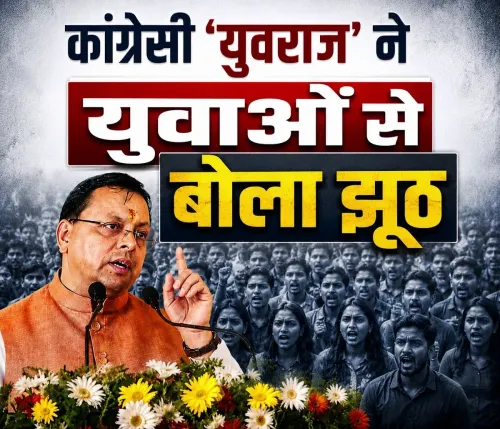
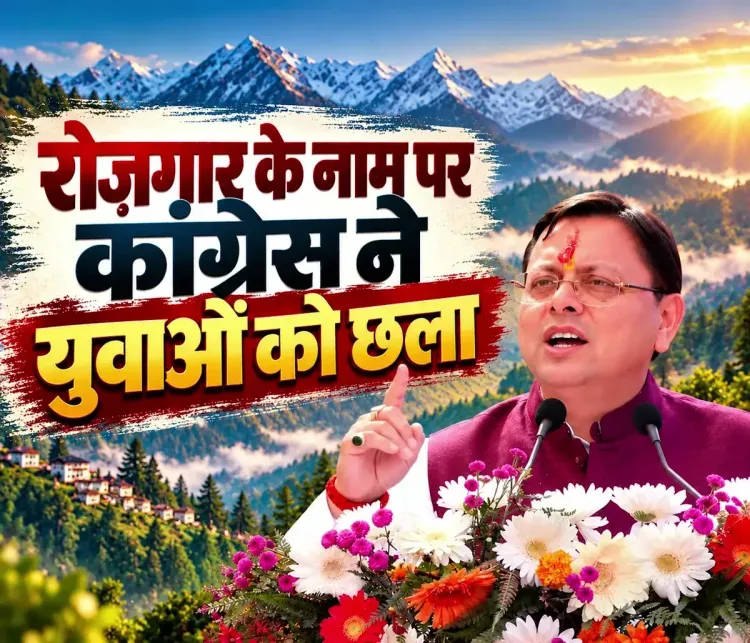
Uttarakhand Chief Minister Pushkar Singh Dhami attacked Congress on October 25, accusing the party of spreading falsehoods on youth issues and challenging it to answer for its own record in power before criticising the BJP government.
Key Takeaways
Pushkar Singh Dhami posted a sharp attack on Congress on October 25, 2026 , calling the party's claims false.
He stated that the public now clearly sees the difference between Congress's assertions and reality.
Dhami specifically demanded that Congress account for its own tenure on youth-related issues before raising new charges.
Youth employment and opportunity in Uttarakhand form a long-standing political fault line between BJP and Congress in the state.
The post fits a recurring BJP pattern of forcing opponents to defend past governance records ahead of state elections.
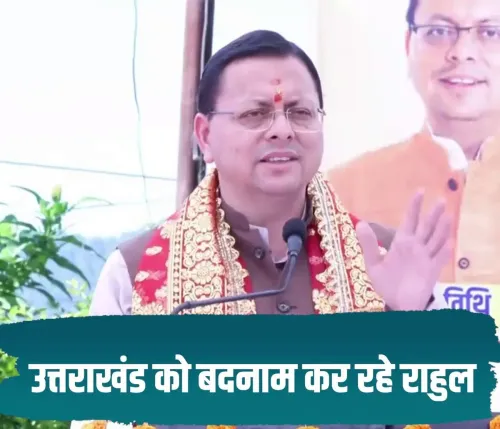
In a sharp political broadside, Uttarakhand Chief Minister Pushkar Singh Dhami took aim at the Indian National Congress on Sunday, October 25, 2026, accusing the opposition party of peddling falsehoods while the public has grown wise to the gap between their claims and reality.
Posting on X, CM Dhami wrote: 'आज कांग्रेस के झूठ की गूंज हर तरफ सुनाई दे रही है' — 'Today, the echo of Congress's lies is heard everywhere, but the public now clearly understands the difference between their false claims and reality.' He added a pointed demand: on issues tied to the future of the youth, Congress must first account for its own period in power.
Youth as the battleground, Congress's record as the weapon
The post zeros in on youth — employment, opportunity, the future — as the terrain of contestation. For Dhami, the framing is deliberate: rather than defending his own government's record, he shifts the burden of proof squarely onto Congress, daring the party to justify what it delivered — or failed to deliver — when it held office in Uttarakhand. The tactic is a classic BJP state-level playbook: force the opposition to relitigate the past before it can prosecute the present.
Congress has periodically governed Uttarakhand since the hill state was carved out of Uttar Pradesh in 2000, giving Dhami ample political history to draw from. Youth unemployment, skill development, and migration out of the hill districts have been perennial flash points in the state's political discourse.
A pattern larger than one post
Dhami's salvo fits a broader, well-worn rhythm of Indian state politics: ruling-party leaders preempt opposition criticism by questioning the challenger's own credibility. With Uttarakhand assembly elections on the horizon, the pitch is sharpening. Who created jobs, who opened opportunities for the hills' restless young population — these are the questions that will dominate campaign rallies.
The public, Dhami insists, has already made up its mind about the answer. Whether voters agree will be tested at the ballot box.
Point of View
Youth unemployment and out-migration from the hills will be live vulnerabilities for whichever party fails to own a convincing narrative. Dhami is betting that public memory of Congress rule is an asset for his party, and this post is an early signal of the line of attack to expect on the campaign trail.
NationPress
25 Oct 2026
Frequently Asked Questions
What did CM Dhami say about Congress on October 25 2026?
CM Dhami accused Congress of spreading lies, saying the public now understands the gap between the party's false claims and reality, and demanded Congress account for its own tenure on youth issues.
Why is Dhami asking Congress about its past record on youth?
Dhami is challenging Congress to justify its own governance record on employment and youth opportunities before criticising the current BJP government in Uttarakhand.
What are the youth issues Dhami is referring to in Uttarakhand?
Youth employment, skill development, and migration out of hill districts have been persistent political issues in Uttarakhand, making them a key battleground between BJP and Congress.
How long has Congress governed Uttarakhand?
Congress has held power in Uttarakhand during several terms since the state was formed in 2000, giving it a governance record that rival parties regularly invoke in political debates.
Is this related to upcoming Uttarakhand elections?
While no election date has been announced, Dhami's attack on Congress over youth issues is widely seen as part of early political positioning ahead of the next Uttarakhand assembly elections.