CM Dhami: ₹1,100-Cr Rishikesh Bypass Under Construction
Synopsis
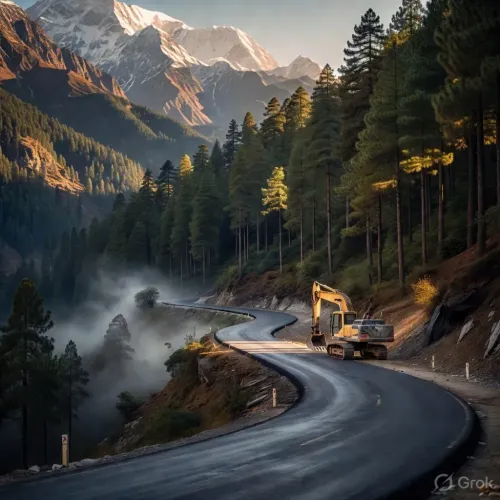
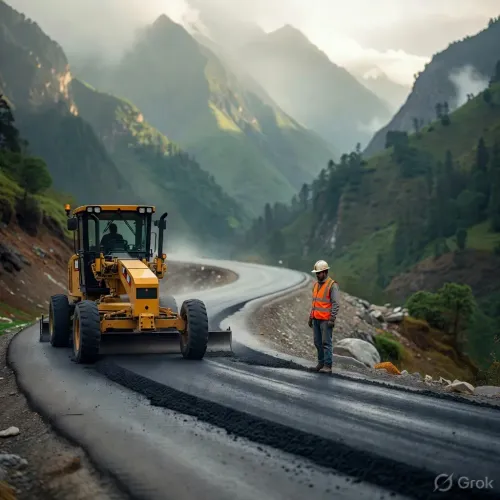
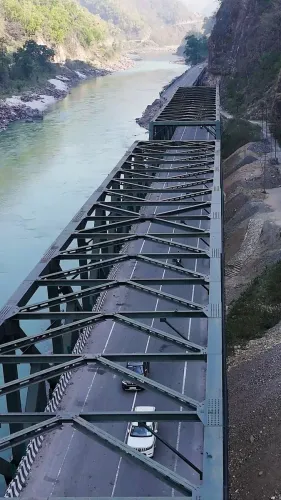
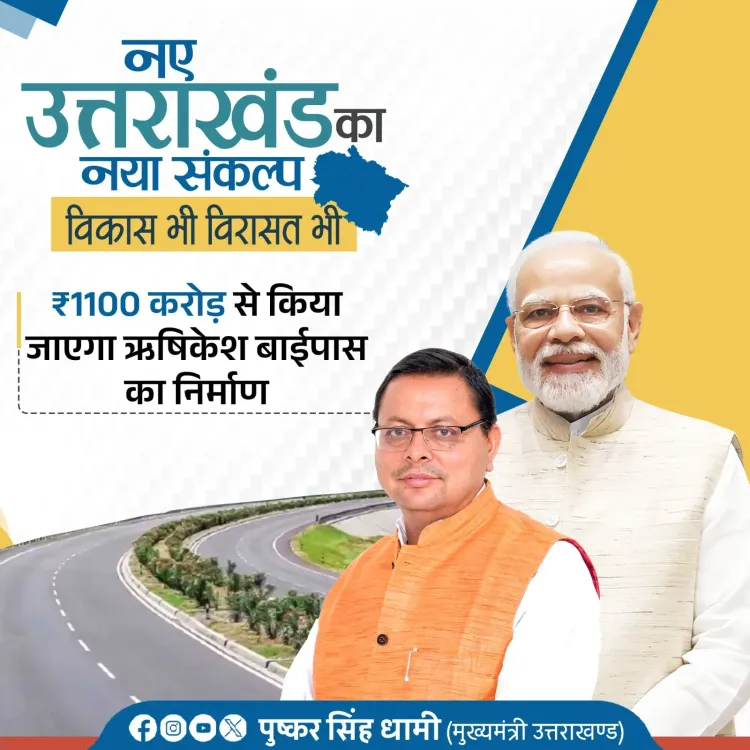
Uttarakhand CM Pushkar Singh Dhami has announced that a ₹1,100-crore bypass road around Rishikesh is under construction, aimed at easing traffic congestion and improving pilgrimage and tourist connectivity under PM Modi's infrastructure push.
Key Takeaways
Uttarakhand CM Pushkar Singh Dhami announced the Rishikesh Bypass project on 31 May 2026 .
The bypass is being constructed at a cost of ₹1,100 crore .
The project aims to reduce traffic congestion, improve road safety, and ease travel through Rishikesh .
The announcement credits PM Narendra Modi's leadership for accelerating infrastructure development in Uttarakhand .
The bypass aligns with national schemes including Bharatmala Pariyojana and the Char Dham Highway Project .
Key beneficiaries include pilgrims, daily commuters, and tourism and freight operators in the region.
Uttarakhand Chief Minister Pushkar Singh Dhami announced on Sunday, 31 May 2026 that a bypass road around the pilgrimage town of Rishikesh is being constructed at a cost of ₹1,100 crore, crediting the project to the infrastructure push under Prime Minister Narendra Modi.
Context
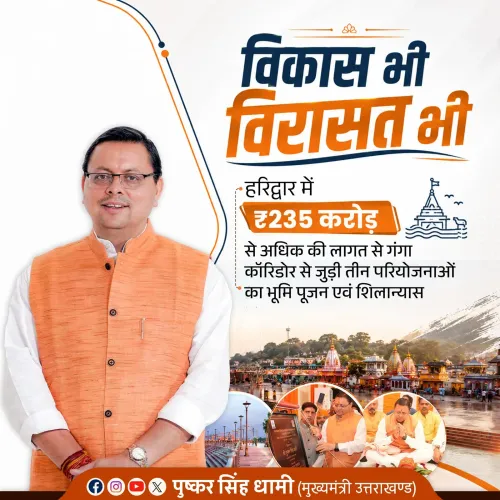
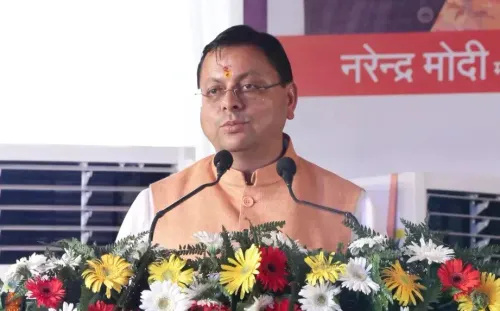
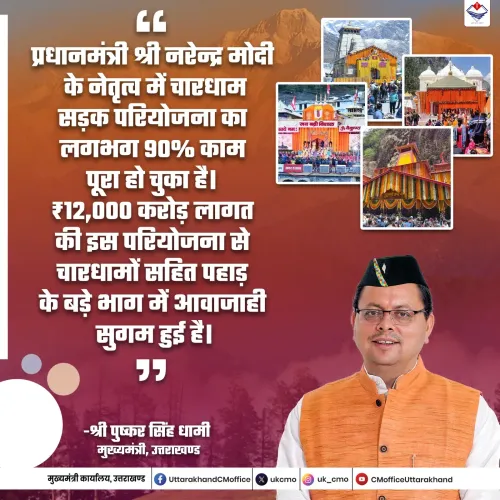
In a post on X, CM Dhami wrote: 'आदरणीय प्रधानमंत्री श्री Narendra Modi जी के नेतृत्व में प्रदेश में आधारभूत ढांचे के विकास को अभूतपूर्व गति मिली है' ('Under the leadership of respected Prime Minister Narendra Modi, infrastructure development in the state has received unprecedented momentum'). He added that the Rishikesh Bypass, being built at ₹1,100 crore, will strengthen the road traffic system, reduce congestion, and make travel safer and more convenient.
Rishikesh is a major gateway to the Char Dham pilgrimage circuit and a prominent yoga and adventure-tourism destination. The town sits at the foothills of the Himalayas in Uttarakhand and has long faced severe traffic bottlenecks, particularly during pilgrimage seasons when lakhs of devotees pass through its narrow roads.
Policy Backdrop
The project fits within a broader national pattern of highway investment that has accelerated since 2014. The Bharatmala Pariyojana, launched in 2015, prioritised construction and upgrading of national highways, including bypasses around congested urban and semi-urban stretches. Separately, the Char Dham Highway Project, approved in 2016, earmarked funds to provide all-weather connectivity to Uttarakhand's four major pilgrimage sites — Badrinath, Kedarnath, Gangotri, and Yamunotri.
Uttarakhand's hilly terrain has historically constrained road-building and raised construction costs, making central government funding critical to expanding the state's road network. The state has been a consistent beneficiary of centrally-sponsored highway schemes owing to its difficult topography and its religious tourism economy, which draws millions of visitors each year.
Stakeholders and Impact
The most direct beneficiaries of the Rishikesh Bypass will be daily commuters, pilgrims heading to the Char Dham circuit, and freight operators who currently face chronic congestion within the town. Local residents of Rishikesh stand to gain from reduced through-traffic in residential and market areas, which should also ease pollution and noise levels.
Tourism and transport operators — including taxi services, bus operators, and hospitality businesses along the pilgrimage corridor — are expected to benefit from more predictable travel times. Improved connectivity could also support Uttarakhand's broader economic development by reducing logistics costs for goods moving into the hill districts.
What's Next
Observers will watch for official progress reports on the bypass's construction timeline and milestones, as well as any further announcements from the National Highways Authority of India (NHAI) or the state government on complementary projects such as tunnels or elevated corridors in the region. CM Dhami's post signals that the state government intends to keep infrastructure delivery at the centre of its political messaging ahead of future electoral cycles. Sustained execution of the ₹1,100-crore project will be the key test of the commitment outlined in his announcement.
Point of View
Particularly PM Modi — a messaging template deployed consistently across BJP-ruled states ahead of electoral cycles. The Rishikesh Bypass is strategically significant: it sits at the mouth of the Char Dham corridor, meaning any improvement there amplifies benefits across the entire pilgrimage economy of Uttarakhand. By foregrounding a four-figure crore investment, the state government is also countering the perception that hilly states receive less infrastructure attention than the plains. The real test will be construction pace and delivery, areas where Himalayan terrain and seasonal disruptions have historically delayed even well-funded road projects.
NationPress
14 Oct 2026
Frequently Asked Questions
What is the Rishikesh Bypass project?
The Rishikesh Bypass is a road project under construction in Uttarakhand at a cost of ₹1,100 crore , designed to divert traffic around the congested pilgrimage town of Rishikesh and improve connectivity toward the Himalayas.
Why is a bypass needed in Rishikesh?
Rishikesh is a key entry point to the Char Dham pilgrimage circuit and a major tourist hub, and its narrow roads face severe congestion — especially during pilgrimage seasons — making a dedicated bypass essential for safer and faster movement.
Who announced the Rishikesh Bypass?
Uttarakhand Chief Minister Pushkar Singh Dhami announced the project on 31 May 2026 via a post on X, attributing it to the infrastructure momentum created under PM Narendra Modi .
How does the Rishikesh Bypass connect to Bharatmala or Char Dham projects?
The bypass aligns with the national Bharatmala Pariyojana (launched 2015) and the Char Dham Highway Project (approved 2016), both of which prioritise all-weather road connectivity in Uttarakhand and other states with difficult terrain.
Who will benefit from the Rishikesh Bypass?
Primary beneficiaries include pilgrims travelling to the Char Dham sites, daily commuters, local residents of Rishikesh , and tourism and freight operators who currently face long delays due to traffic bottlenecks in the town.