CM Dhami Highlights Road Network Expansion Across Uttarakhand
Synopsis
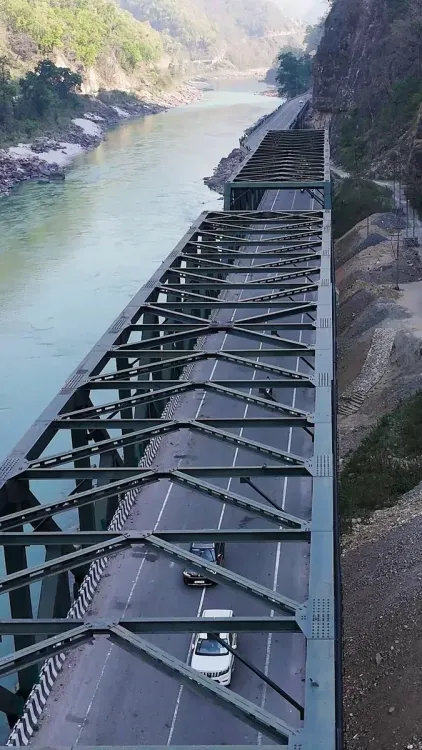
Uttarakhand CM Pushkar Singh Dhami on 29 May 2026 highlighted a widening road network across the state under PM Modi's guidance, framing it as advancing connectivity, employment, and heritage under the slogan 'Vikas bhi, Virasat bhi' — Development as well as Heritage.
Key Takeaways
CM Pushkar Singh Dhami posted on 29 May 2026 highlighting road network expansion across Uttarakhand .
The post invoked the slogan 'Vikas bhi, Virasat bhi' — framing infrastructure and cultural heritage as complementary goals.
The Char Dham Highway Project , announced in 2016 , targets approximately 900 km of road upgrades linking four major pilgrimage shrines.
The Bharatmala Pariyojana launched in 2015 underpins national highway expansion into Himalayan hill states including Uttarakhand .
Key stakeholders include state residents, pilgrims, tourists, and local construction labour whose employment prospects are tied to project progress.
Environmental clearances and central budget allocations for remaining project phases remain key variables to watch.
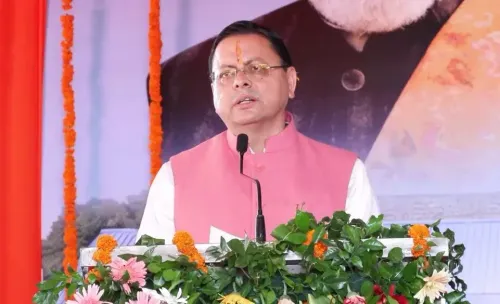
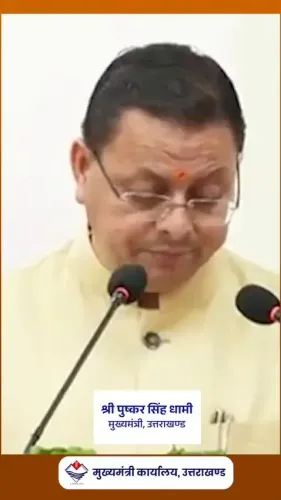
Uttarakhand Chief Minister Pushkar Singh Dhami on Friday, 29 May 2026, highlighted the rapid expansion of road infrastructure across the state, crediting the guidance of Prime Minister Narendra Modi for accelerating connectivity, development, and employment in the hill state.
Context
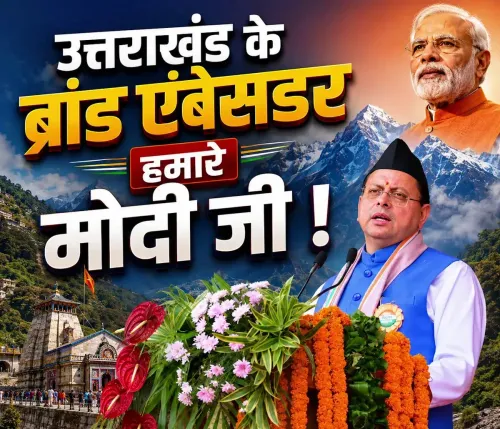
Posting on X, CM Dhami wrote under the banner 'Vikas bhi, Virasat bhi' ('Development as well as Heritage'), stating that under PM Modi's guidance, a network of roads is being laid across Devbhoomi Uttarakhand — giving new momentum to the state's connectivity, growth, and employment. The phrase 'Devbhoomi' ('Land of the Gods') underscores Uttarakhand's identity as a seat of major Hindu pilgrimage sites, and the slogan signals a deliberate effort to frame infrastructure investment as compatible with, rather than at odds with, the state's cultural heritage.
Policy Backdrop
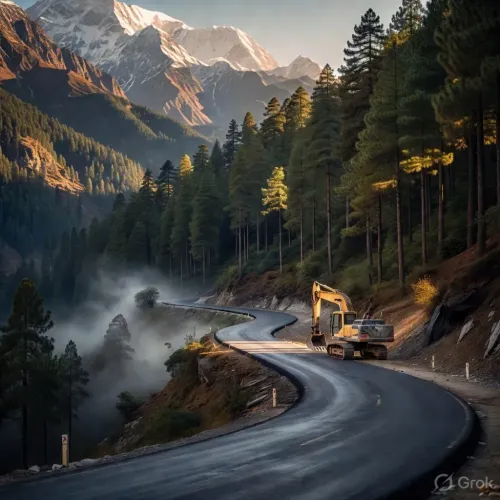
The road expansion push in Uttarakhand draws from two major central government programmes. The Bharatmala Pariyojana, launched in 2015, was designed to extend national highways and feeder roads into difficult terrains, including Himalayan hill states. The Char Dham Highway Project, announced in 2016, aims to upgrade approximately 900 km of roads connecting four major shrines — Yamunotri, Gangotri, Kedarnath, and Badrinath — improving access for pilgrims and local residents alike.
These projects operate in challenging geography marked by landslide-prone slopes and extreme seasonal weather, making road construction both a technical and logistical undertaking. The central government has consistently positioned such investment in border and hill states as serving dual goals: improving civilian access and reinforcing strategic connectivity.
Stakeholders and Impact
The beneficiaries of improved road connectivity in Uttarakhand span several groups. Residents of remote valleys gain better access to markets, healthcare, and education. Pilgrims and tourists travelling the Char Dham circuit benefit from safer and faster routes, supporting the state's significant religious tourism economy. Local contractors and labour employed in construction also represent a direct employment channel, a point CM Dhami explicitly referenced in his post.
Environmental groups and heritage conservationists have, in the past, raised concerns about road widening in ecologically sensitive Himalayan zones, and funding allocations alongside environmental clearances for remaining project phases will remain a point of scrutiny.
What's Next
Attention will now turn to upcoming central budget allocations and the pace of environmental clearances for pending phases of the Char Dham corridor and other state highway projects. CM Dhami's framing of infrastructure as inseparable from heritage preservation suggests the state government will continue to position road development as a political and governance priority ahead of future electoral cycles. How swiftly the remaining stretches achieve completion — and whether employment targets are met — will shape the ground-level impact of the 'Vikas bhi, Virasat bhi' narrative.
Point of View
Virasat bhi' framing is strategically significant: it pre-empts criticism that highway expansion in ecologically and culturally sensitive Himalayan terrain comes at the cost of heritage, a charge that has dogged the Char Dham project in courts and among conservationists. Positioning road-building as an act of both development and cultural stewardship broadens its appeal to pilgrims, locals, and the BJP's nationalist base simultaneously. With assembly cycles always on the horizon in state politics, consistent visibility around infrastructure delivery is a durable political asset.
NationPress
12 Oct 2026
Frequently Asked Questions
What is the Char Dham Highway Project in Uttarakhand?
The Char Dham Highway Project, announced in 2016, aims to upgrade approximately 900 km of roads in Uttarakhand connecting the four major pilgrimage shrines — Yamunotri, Gangotri, Kedarnath, and Badrinath — to improve access for pilgrims and local residents.
What did CM Dhami say about roads in Uttarakhand?
On 29 May 2026, CM Pushkar Singh Dhami posted on X that under PM Modi's guidance, a network of roads is being laid across Devbhoomi Uttarakhand, giving new momentum to the state's connectivity, development, and employment.
What is Bharatmala Pariyojana and does it cover Uttarakhand?
Bharatmala Pariyojana, launched in 2015, is a central government programme to expand national highways and feeder roads across India, including in difficult hill terrains such as Uttarakhand.
What does 'Vikas bhi, Virasat bhi' mean?
'Vikas bhi, Virasat bhi' is a Hindi slogan meaning 'Development as well as Heritage,' used by CM Dhami to signal that infrastructure growth in Uttarakhand is being pursued alongside preservation of the state's cultural and religious identity.
How does road development in Uttarakhand affect employment?
Road construction projects in Uttarakhand generate direct employment for local contractors and labour, while improved connectivity supports the state's tourism and pilgrimage economy, creating broader indirect economic opportunities for residents.