CM Dhami Flags Ajay Pant Case With MEA, High Commission
Synopsis
Chief Minister Pushkar Singh Dhami has confirmed that the Uttarakhand government is in active contact with the Ministry of External Affairs and the Indian High Commission over the case of Captain Ajay Pant, an Uttarakhand resident facing difficulties abroad.
Key Takeaways
CM Pushkar Singh Dhami personally assured continuous government engagement on the Captain Ajay Pant overseas case.
The Uttarakhand government is coordinating with three channels: the Government of India , the Ministry of External Affairs , and the Indian High Commission .
The statement was issued on 25 June 2026 via the official CMO Uttarakhand X account as a reply post.
Foreign affairs is a Union subject under the Indian Constitution; state governments play an informal intermediary role in consular cases.
No official details about the nature or location of Captain Ajay Pant's case have been publicly disclosed.
The development signals the Dhami administration's intent to publicly demonstrate citizen-welfare responsiveness on overseas distress matters.
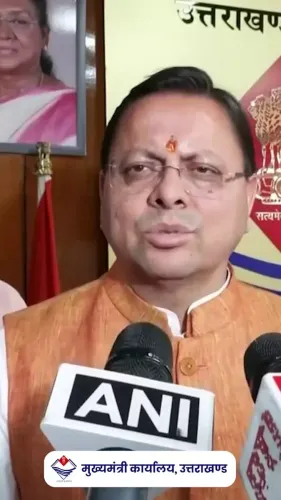
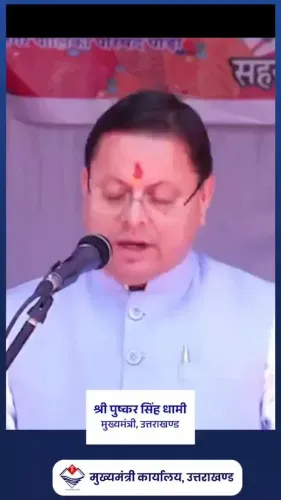
The Chief Minister's Office of Uttarakhand announced on Thursday, 25 June 2026 that Chief Minister Pushkar Singh Dhami has personally assured that the state government is in continuous contact with the Government of India, the Ministry of External Affairs (MEA), and the Indian High Commission regarding the case of Captain Ajay Pant, an Uttarakhand resident facing difficulties abroad.
In his statement, CM Dhami said — translated from Hindi — 'The state government is fully sensitive to the interests of its citizens and is maintaining continuous contact with the Government of India, the Ministry of External Affairs, and the Indian High Commission in the matter of Captain Ajay Pant.' The original Hindi post used the phrase 'पूरी तरह संवेदनशील' (fully sensitive), signalling a deliberate emphasis on governmental responsiveness to citizen welfare.
Context
The statement from CM Dhami's office comes in response to what appears to be public or family pressure regarding Captain Ajay Pant, whose precise circumstances abroad have not been officially detailed. The Chief Minister's Office framed the government's engagement as active and ongoing, naming three distinct channels of diplomatic contact: the Union government, the MEA, and the relevant Indian High Commission.
The post is a reply to @ukcmo — the official Uttarakhand CMO handle — suggesting the statement was issued in response to a prior inquiry or public tagging, a common pattern when affected families seek intervention through social media.
Policy Backdrop
Under the Indian Constitution, foreign affairs is exclusively a Union subject, meaning state governments have no direct diplomatic authority. However, state administrations have long played an informal but important role in flagging individual consular cases to New Delhi, particularly as Indian labour and professional migration expanded significantly from the 2000s onward.
The Ministry of External Affairs operates a dedicated consular protection framework, and Indian missions abroad are mandated to assist nationals in legal, medical, or employment distress. State governments — including Uttarakhand, which has a significant diaspora and migrant worker population — routinely act as intermediaries, amplifying citizen cases to the Union government when local political pressure demands a visible response.
Stakeholders and Impact
The most immediate stakeholder is Captain Ajay Pant and his family, who stand to benefit from coordinated intervention by both the state and central governments. More broadly, the statement signals to Uttarakhand's citizens — particularly those with family members working or residing overseas — that the state administration is willing to engage actively on individual consular matters.
For the Dhami government, the public assurance also carries political weight, demonstrating responsiveness at a time when overseas distress cases frequently generate significant social media attention and community concern within the state.
What's Next
The key development to watch is any formal statement from the MEA or the relevant Indian High Commission confirming the status of their engagement in the Captain Ajay Pant matter. The Uttarakhand government's public declaration of ongoing coordination raises expectations for a tangible outcome to be communicated to the family and the public.
Should the case resolve — or escalate — it will likely prompt a follow-up statement from the CMO Uttarakhand, and could set a visible precedent for how the Dhami administration handles similar overseas citizen distress cases going forward.
Point of View
MEA, and the Indian High Commission — the Uttarakhand CMO is not just managing one family's anxiety but projecting a governance image of proactive citizen advocacy. This fits a broader pattern across BJP-governed states of using social media to visibly demonstrate welfare outreach, particularly for citizens in distress abroad. The case will test whether such public coordination translates into concrete consular action, a metric that increasingly defines a state government's credibility on overseas citizen welfare.
NationPress
25 Jun 2026
Frequently Asked Questions
Who is Captain Ajay Pant and why is CM Dhami involved?
Captain Ajay Pant is an Uttarakhand resident who appears to be facing difficulties abroad. CM Dhami has intervened by coordinating with the Ministry of External Affairs and the Indian High Commission on his behalf, as state governments often act as intermediaries in such consular cases.
What is the Ministry of External Affairs doing in the Captain Ajay Pant case?
The Uttarakhand government says it is in continuous contact with the MEA regarding Captain Ajay Pant's case, though no formal MEA statement on the matter has been publicly issued as of the CMO's announcement on 25 June 2026.
Can a state government intervene in overseas citizen cases?
Foreign affairs is a Union subject under the Indian Constitution, so state governments have no direct diplomatic authority. However, they routinely liaise with the MEA and Indian missions abroad to flag individual citizen cases and apply political pressure for faster resolution.
What did CM Dhami say about the Uttarakhand government's response?
CM Dhami stated that the state government is 'fully sensitive to the interests of its citizens' and is maintaining continuous contact with the Government of India, the Ministry of External Affairs, and the Indian High Commission in the matter of Captain Ajay Pant.
What happens next in the Captain Ajay Pant case?
The next key development would be a formal response from the MEA or the relevant Indian High Commission confirming the status of their engagement. The Uttarakhand CMO is expected to issue a follow-up statement once there is a tangible outcome to report.