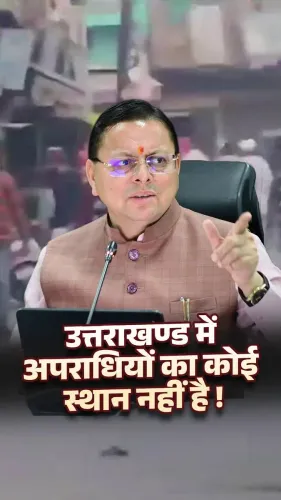
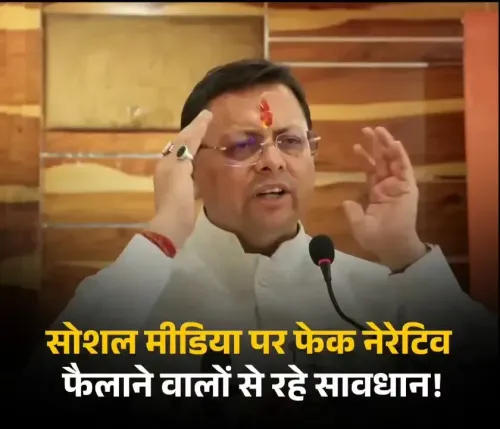
CM Dhami warns against communal misinformation on social media
Synopsis
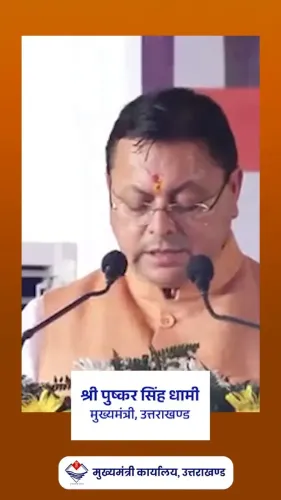
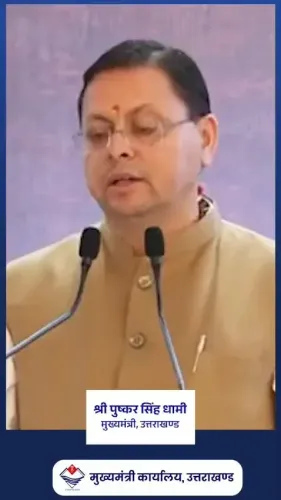
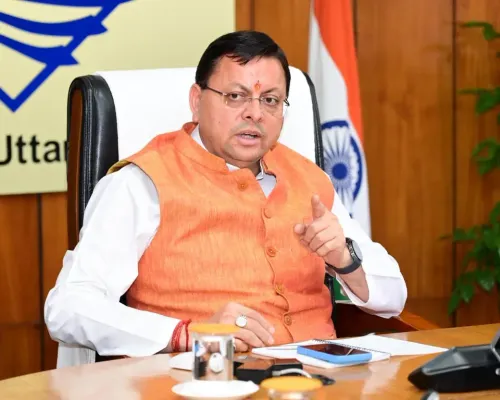
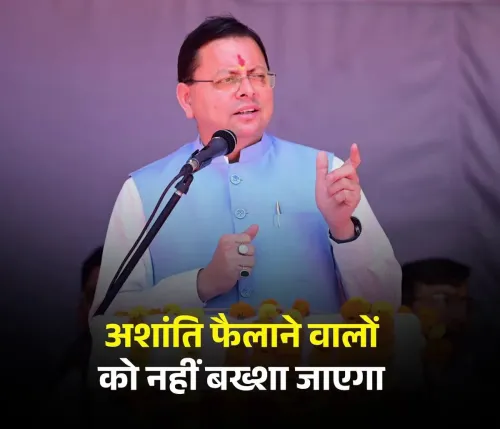
Chief Minister Pushkar Singh Dhami on June 23, 2026 warned Uttarakhand residents against spreading misleading content on social media to divide communities, affirming that all religions have contributed to national progress and that legal action awaits anyone who takes the law into their own hands.
Key Takeaways
CM Pushkar Singh Dhami issued a formal public warning on June 23, 2026 against communal misinformation on social media.
He stated that people of all religions have collectively contributed to India's progress, striking an inclusive tone.
The Chief Minister warned that legal action will be taken against anyone who takes the law into their own hands.
Uttarakhand has a track record of similar advisories, including a 2022 directive for police monitoring of social media during sensitive events.
Enforcement could involve provisions of the IT Act and state public order laws, with police social media cells likely on alert.
No specific triggering incident has been officially cited or independently verified.
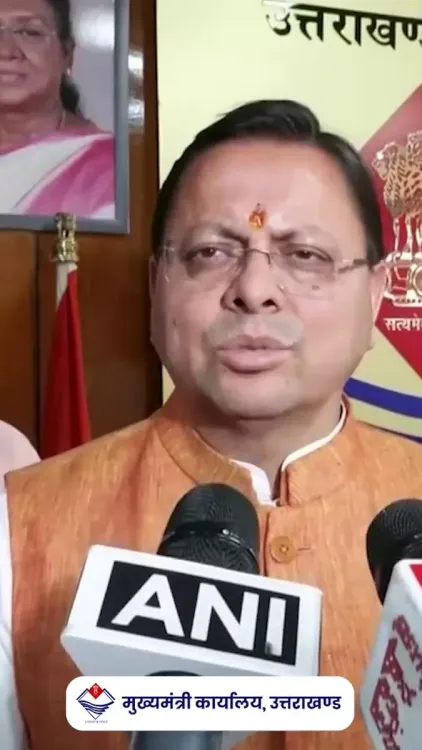
Chief Minister Pushkar Singh Dhami of Uttarakhand issued a stern public warning on Tuesday, June 23, 2026, cautioning citizens against spreading misleading content on social media that could divide communities along religious lines, and making clear that anyone taking the law into their own hands would face legal action.
Posting through the official Chief Minister's Office account, CM Dhami stated: 'Soशल mीडिया par bhraamak soochanaayen prasarit karke samaaj aur samudayon ko baantne ka prayas na karen' — 'Do not attempt to divide society and communities by spreading misleading information on social media.' He added that people of all religions have collectively made important contributions to the nation's progress, and warned that legal action will be taken against anyone who takes the law into their own hands.
Context
The statement comes amid a broader national climate of concern over social media's role in amplifying communal tensions. While the specific incident or viral post that prompted this warning could not be independently verified, the advisory is consistent with a pattern of state-level interventions during periods of heightened inter-community sensitivity in Uttarakhand.
The Chief Minister's message struck a deliberately inclusive tone, emphasising that 'people of all religions' have contributed to national development — a framing aimed at de-escalating potential fault lines rather than targeting any single community.
Policy Backdrop
Uttarakhand has maintained an active legislative and administrative posture on communal order. In 2020, the state enacted the Prohibition of Unlawful Conversion of Religion Act, targeting conversions by force, allurement, or marriage. In 2022, the government issued formal advisories against social media misuse during sensitive religious events and directed police to monitor platforms proactively.
At the national level, Indian administrations — particularly in BJP-governed states — have repeatedly issued warnings against online misinformation that risks inciting communal violence, typically backed by provisions of the IT Act and state-specific public order laws. CM Dhami's June 2026 statement fits squarely within this established governance pattern.
Stakeholders and Impact
The warning directly addresses Uttarakhand's diverse religious communities, social media users across the state, and implicitly, the state police apparatus that would be tasked with enforcement. By invoking legal consequences — 'legal action will be taken against anyone who takes the law into their own hands' — the Chief Minister's Office is signalling that both the spread of misinformation and any vigilante responses to it will attract scrutiny.
Civil society groups and digital rights observers are likely to watch how enforcement is operationalised, particularly whether notices or FIRs are issued under IT Rules or state public safety statutes in the days following the statement.
What's Next
The immediate test of the advisory's weight will be whether Uttarakhand Police follows through with visible enforcement action — including FIRs, account-level notices, or coordination with platform intermediaries under existing IT Rules. Historically, such statements from chief ministers' offices have been accompanied by directions to district-level police to intensify social media monitoring cells.
With Uttarakhand navigating a complex social fabric that includes pilgrimage corridors, tribal belts, and growing urban centres, the government's ability to hold the line on communal harmony through both messaging and enforcement will remain a key governance indicator through the remainder of 2026.
Point of View
Suggesting a deliberate effort to balance a hardline legislative record with a conciliatory public posture. Historically, such advisories from state governments have had mixed enforcement outcomes — the credibility of this warning will depend on whether police action follows or whether it remains rhetorical. Uttarakhand's role as a pilgrimage hub makes communal stability both a governance priority and a political necessity.
NationPress
22 Sept 2026
Frequently Asked Questions
What did CM Pushkar Singh Dhami say about social media misinformation?
CM Dhami warned citizens not to spread misleading information on social media to divide communities, saying people of all religions have contributed to national progress and that legal action will be taken against anyone who takes the law into their own hands.
What legal action can Uttarakhand take against social media misuse?
The state can invoke provisions of the IT Act and state-specific public order laws to issue FIRs or notices against individuals spreading communal misinformation, and can direct police to monitor and flag accounts.
Has Uttarakhand issued social media warnings before?
Yes. In 2022, the Uttarakhand government issued formal advisories against social media misuse during sensitive religious events and directed police to monitor platforms actively.
Why did CM Dhami issue this warning in June 2026?
No specific triggering incident has been officially cited or independently verified. The warning aligns with a broader pattern of state-level advisories during periods of communal sensitivity.
What is Uttarakhand's track record on communal legislation?
Uttarakhand enacted the Prohibition of Unlawful Conversion of Religion Act in 2020 and has repeatedly used administrative and legislative tools to manage inter-community relations in the state.