CM Dhami flags nursing seats, startup surge, film policy in Uttarakhand push
Synopsis
Uttarakhand CM Pushkar Singh Dhami outlined a five-year governance report card on 18 October 2026, citing three new nursing colleges adding 321 seats, startups rising from 700 to 1,700, and a new film policy to attract productions and retain youth in the state.
Key Takeaways
Three new government nursing colleges opened in Uttarakhand over the past five years, adding 321 seats to medical education capacity.
Registered startups in the state reportedly grew from 700 to 1,700 over the same period, according to CM Dhami's office.
A new Uttarakhand Film Policy has been launched to attract film productions, develop local creative talent, and generate tourism-linked employment.
All three measures are framed by Dhami as a deliberate strategy to create local opportunities and reduce youth out-migration from the Himalayan state.
Key claims on nursing seats, startup numbers, and film policy details are government-stated figures and are subject to independent verification.
Three new government nursing colleges, a startup ecosystem that has more than doubled, and a fresh film policy designed to put Uttarakhand on the national production map — Uttarakhand Chief Minister Pushkar Singh Dhami laid out a multi-sector governance scorecard on Sunday, 18 October 2026, framing his administration's last five years as a deliberate drive to keep young people employed within the state.
321 new nursing seats and the healthcare education gap
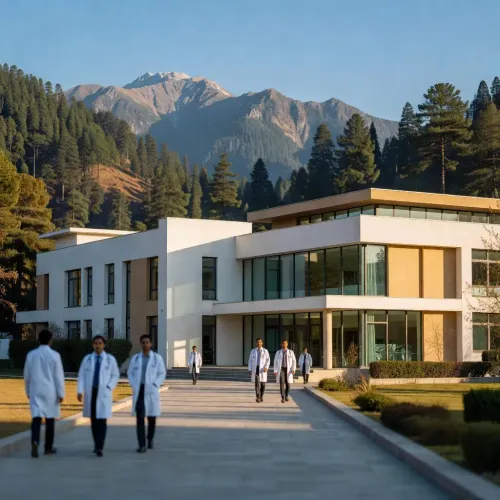
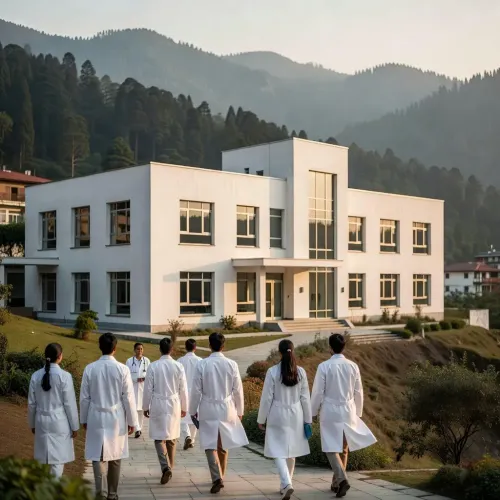
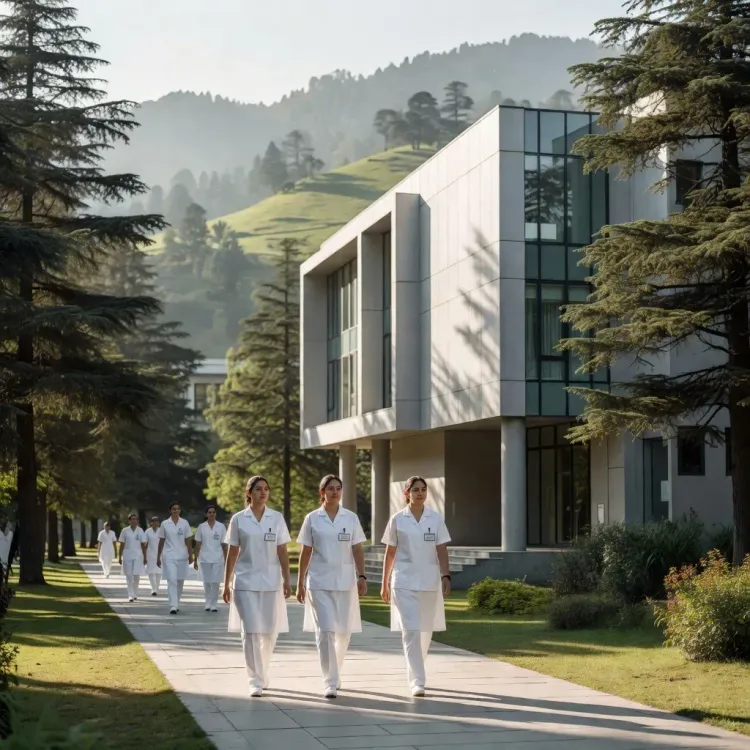
The centrepiece of Dhami's healthcare claim is numerical: three government nursing colleges opened since 2021, unlocking what his office says are 321 additional seats. In a hill state where students have historically had to migrate to the plains for paramedical training, every seat created locally carries an outsized weight — it is both a healthcare investment and a migration-prevention tool.
'Swasthya vyavastha ko mazbooti milegi' ['the health system will be strengthened'] is how Dhami framed it. The logic is straightforward: more trained nurses in Uttarakhand's own institutions means a larger pool of professionals available to staff district and community hospitals across a terrain where road distances to referral centres can mean the difference between life and death.
Startups climb from 700 to 1,700 — reading the entrepreneurship signal
The second data point Dhami highlighted is a startup count: from 700 to 1,700 registered startups over five years, a figure his post calls evidence of growing innovation and entrepreneurship in the state. Uttarakhand has long battled one of the steepest youth out-migration rates among Indian hill states, with graduates routinely heading to Delhi, Pune, or Bengaluru for opportunity.
If the trajectory holds, a near-2.5x increase in startups would represent a structural shift — not just numbers on a register, but a signal that the state's ecosystem of incubators, policy incentives, and connectivity improvements is beginning to produce staying power. Whether those startups are concentrated in Dehradun's expanding tech corridor or distributed across smaller towns is the question that will ultimately determine whether the headline figure translates into rural job creation.
Uttarakhand's new film policy: scenery monetised as strategy
The third pillar is cultural-economic: a new Uttarakhand Film Policy aimed at positioning the state as a primary shooting destination for Indian productions. The Himalayan state has always been a backdrop — Kedarnath's ghats, Mussoorie's colonial streetscapes, Rishikesh's riverbanks — but unstructured. A formal policy changes the proposition, offering production houses defined incentives while creating pathways for local talent, technicians, and hospitality businesses to capture a share of the spend.
Film tourism is a proven multiplier. States that have formalised it — offering subsidies, single-window clearances, and co-production support — have seen downstream gains in footfall, hotel bookings, and craft employment. Dhami's government is betting that Uttarakhand's natural cinematic assets, combined with policy scaffolding, can replicate that model here.
The bigger picture: fighting out-migration with opportunity density
Read together, the three announcements — nursing seats, startups, film policy — form a coherent, if ambitious, anti-migration argument. Dhami's government has consistently framed economic development as a retention strategy, recognising that a state losing its working-age population to the plains faces a compounding crisis: fewer taxpayers, fewer skilled workers, and hollowed-out villages that become harder to serve.
The numbers Dhami cited are drawn from his own administration's account and remain subject to independent verification. But the directional commitment — diversifying Uttarakhand's economy beyond seasonal tourism through education, entrepreneurship, and creative industries — reflects a governance logic that extends well beyond any single election cycle. The real test arrives when students graduate from those new nursing colleges and when film production crews begin booking their first policy-incentivised shoots.
Point of View
Startup density, film economy — is a recognisable BJP hill-state playbook: demonstrating governance breadth ahead of a political cycle while addressing the structural wound of out-migration. The nursing college expansion, if verified, directly targets a gap that has long undermined rural healthcare delivery in Uttarakhand's difficult terrain. The startup statistic, however, will face scrutiny over quality versus quantity — 1,700 registered entities are not automatically 1,700 viable businesses. The film policy is the most speculative of the three levers, but if it delivers even modest production inflow, the downstream tourism and employment effects could validate a model other hill states are watching closely.
NationPress
18 Oct 2026
Frequently Asked Questions
How many new government nursing colleges has Uttarakhand opened in the last five years?
According to CM Pushkar Singh Dhami's post on 18 October 2026, three new government nursing colleges have been opened in Uttarakhand over the past five years, adding 321 additional seats.
How many startups are there in Uttarakhand now?
CM Dhami stated that the number of startups in Uttarakhand has grown from 700 to 1,700 over the past five years, reflecting increased entrepreneurial activity in the state. These are government-stated figures and await independent confirmation.
What is the Uttarakhand Film Policy?
The Uttarakhand Film Policy is a state government initiative launched to promote film production in the state, provide opportunities to local talent, and generate employment and tourism alongside cinematic activity. Specific incentive details and its full rollout timeline have not been independently confirmed.
Why is CM Dhami focused on youth employment in Uttarakhand?
Uttarakhand has historically seen high youth out-migration to larger cities. Dhami's government has framed nursing education expansion, startup promotion, and the film policy as tools to create local employment and self-employment opportunities so young people can build careers within the state.
What is Pushkar Singh Dhami's political background?
Pushkar Singh Dhami is the Chief Minister of Uttarakhand and a BJP leader. He has served as Chief Minister since 2021 and has focused on economic diversification, youth employment, and infrastructure development in the Himalayan state.