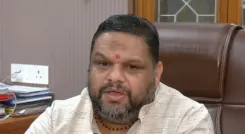
CM Dhami Drives Uttarakhand Toward Medical Education Hub
Synopsis
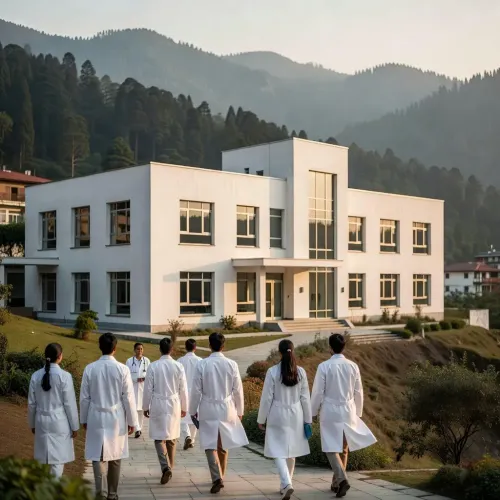
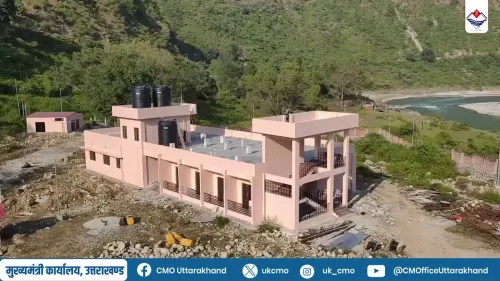
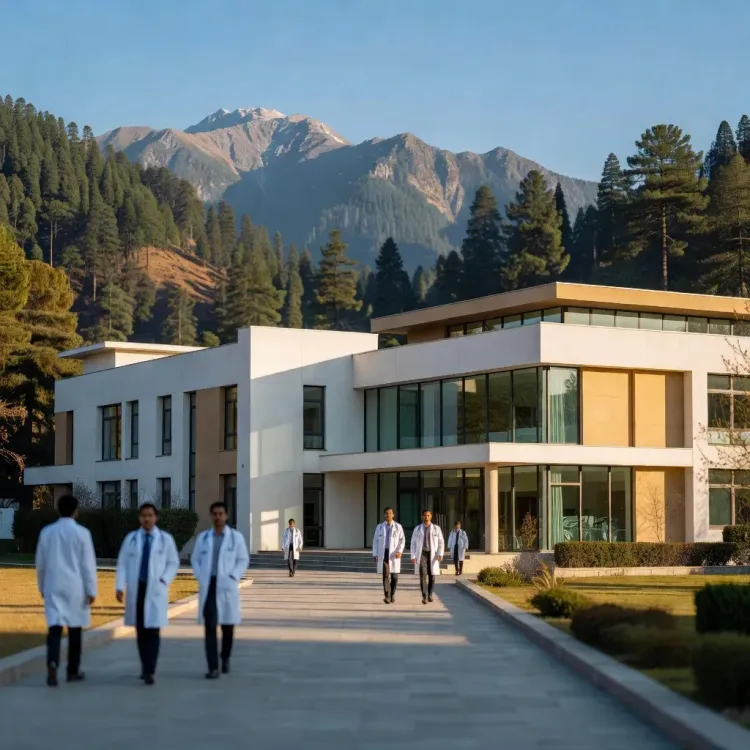
Under Chief Minister Pushkar Singh Dhami, Uttarakhand has inaugurated three new government medical colleges in five years, advancing the hill state's stated ambition of becoming a medical education hub and widening access to affordable MBBS training.
Key Takeaways
Three new government medical colleges have been launched in Uttarakhand over the past five years under CM Pushkar Singh Dhami.
The state has formally declared its ambition to become a medical education hub .
AIIMS Rishikesh , established in 2012 , remains the state's anchor central medical institution.
The expansion mirrors a national pattern of hilly and smaller states building public-sector medical capacity to reduce dependence on private colleges.
Medical aspirants and residents of remote hilly districts are the primary intended beneficiaries of the increased government seat availability.
Key metrics to watch include seat intake, hospital infrastructure, faculty strength, and National Medical Commission approvals for each new college.
Three new government medical colleges in five years — that is the headline number Uttarakhand is putting on the board as Chief Minister Pushkar Singh Dhami doubles down on transforming the Himalayan state into a medical education hub.
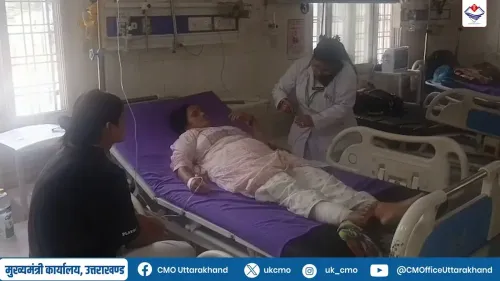
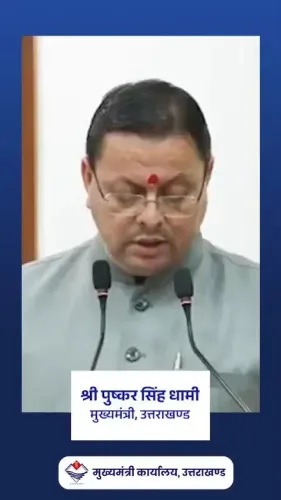
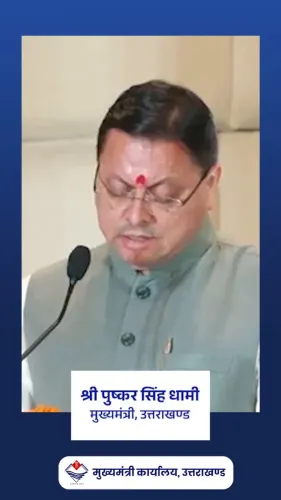
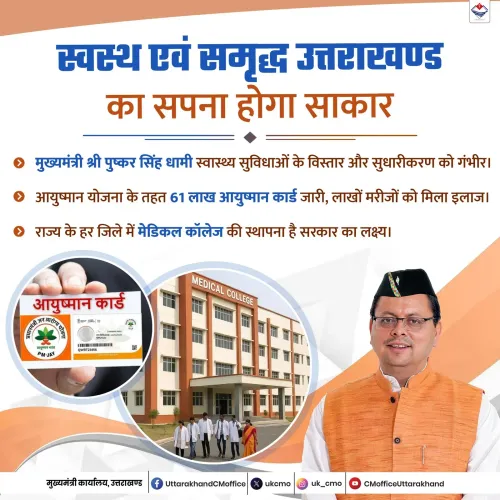
The Chief Minister's Office of Uttarakhand posted on Wednesday, October 14, 2026, that under Dhami's leadership the state has launched three new government medical colleges over the past five years, a pace of expansion that marks a decisive shift in how the hill state approaches healthcare access and doctor availability. The Hindi post declared 'उत्तराखण्ड मेडिकल एजुकेशन हब बनने की ओर अग्रसर' — 'Uttarakhand is advancing towards becoming a medical education hub.'
A Hill State's Long-Standing Healthcare Gap
Uttarakhand's rugged terrain has historically made it one of India's harder states to staff with trained doctors, forcing residents of remote districts to travel long distances for secondary or tertiary care. The state has relied heavily on a single major central institution — AIIMS Rishikesh, established in 2012 under the Pradhan Mantri Swasthya Suraksha Yojana — to anchor its medical education ecosystem. Three additional government colleges in five years, if fully operational, would represent a meaningful multiplication of public-sector medical training capacity.
Dhami's Push and the National Pattern Behind It
CM Dhami, who has helmed the state since March 2021, has positioned health infrastructure as a flagship pillar of his administration. The expansion fits squarely within a broader national push: over the past decade, multiple Indian states — particularly hilly and smaller ones — have opened government medical colleges to widen MBBS seat availability and reduce the financial pressure on students who would otherwise depend on expensive private institutions. For a state like Uttarakhand, where the doctor-to-population ratio in interior districts lags far behind urban centres, adding government colleges is as much a rural welfare measure as it is an education policy.
What Determines Whether the Hub Ambition Holds
Opening a college and running one are two different challenges. The real test for each new institution will be its seat intake, the strength of its attached hospital infrastructure, and whether it can attract and retain faculty in hilly postings. Medical aspirants from the region stand to benefit most directly — lower-cost government seats closer to home — but residents of underserved districts will ultimately judge the expansion by whether more locally trained doctors actually stay and practise in the mountains. Policymakers and health advocates will be watching for further National Medical Commission approvals, state budget allocations, and faculty recruitment milestones over the coming academic cycles.
Point of View
However, will rest on operational outcomes rather than inauguration counts — accreditation quality, faculty retention in hill postings, and whether newly trained doctors are incentivised to serve rural Uttarakhand rather than migrate to plains cities are the metrics that will define the policy's legacy.
NationPress
14 Oct 2026
Frequently Asked Questions
How many new government medical colleges has Uttarakhand opened in the last five years?
According to the Chief Minister's Office of Uttarakhand, three new government medical colleges have been started in the state over the past five years under Chief Minister Pushkar Singh Dhami.
Which is the major central medical institution in Uttarakhand?
AIIMS Rishikesh is the principal central-government medical institution in Uttarakhand, established in 2012 under the Pradhan Mantri Swasthya Suraksha Yojana.
Why does Uttarakhand need more government medical colleges?
Uttarakhand's mountainous terrain has historically limited doctor availability in remote districts, forcing patients to travel far for care. More government medical colleges increase affordable MBBS seat availability and aim to improve local doctor supply.
Who is the Chief Minister of Uttarakhand in 2026?
Pushkar Singh Dhami is the Chief Minister of Uttarakhand. He has been in office since March 2021 and has prioritised health infrastructure expansion as part of his administration.
What is Uttarakhand's medical education hub plan?
The Uttarakhand government, under CM Dhami, is working to position the state as a medical education hub by expanding government medical college infrastructure, with three new colleges launched in five years as the stated marker of progress.