CM Dhami hails 5 years of Ministry of Cooperation
Synopsis
Uttarakhand CM Pushkar Singh Dhami on 6 July 2026 marked five years of India's Ministry of Cooperation, praising PM Modi and Amit Shah for PACS computerisation, new national cooperative bodies, and the world's largest cooperative grain storage programme as milestones of rural economic transformation.
Key Takeaways
The Ministry of Cooperation completed five years on 6 July 2026 , having been established on 6 July 2021 as a standalone central ministry.
The Union Budget 2022-23 sanctioned computerisation of 63,000 PACS to improve transparency and digital access at the village cooperative level.
Three new national cooperative bodies — NCEL , NCOL , and BBSSL — were created to handle exports, organics, and seed distribution respectively.
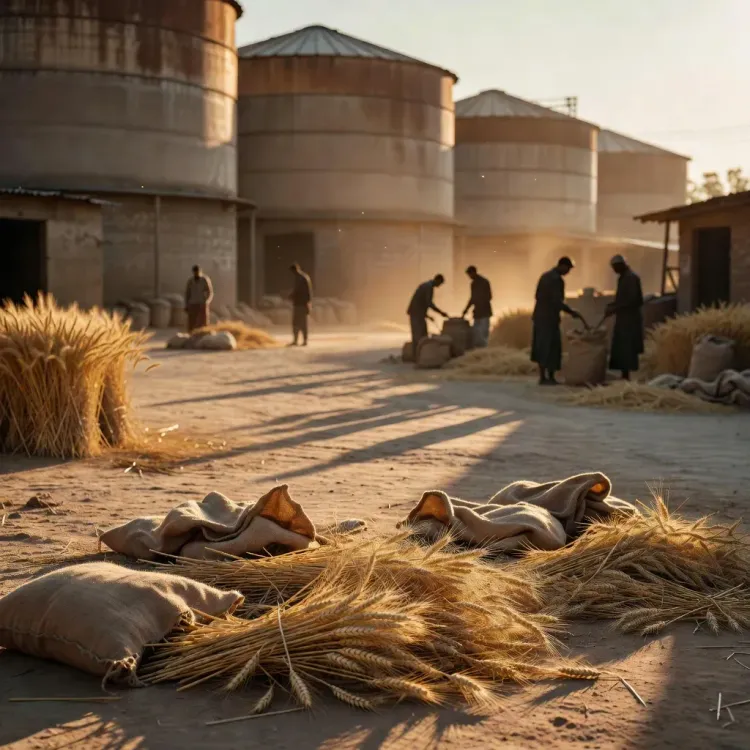
The Union Cabinet approved the world's largest cooperative grain storage programme in 2023 , targeting 700 lakh tonnes of capacity.
CM Dhami linked these initiatives to the Atmanirbhar Bharat and Viksit Bharat frameworks, positioning cooperatives as central to rural economic empowerment.
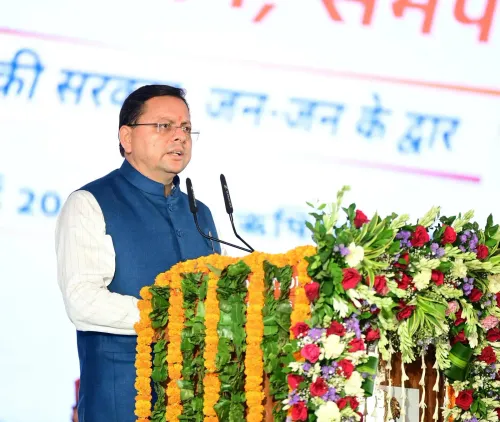
Uttarakhand Chief Minister Pushkar Singh Dhami on Monday, 6 July 2026 praised the five-year journey of the Ministry of Cooperation, crediting Prime Minister Narendra Modi and Union Home and Cooperation Minister Amit Shah for what he called the steady realisation of the vision of 'Sahkar se Samridhi' (prosperity through cooperation). Dhami highlighted landmark initiatives — including the computerisation of Primary Agricultural Credit Societies (PACS), the formation of new national cooperative bodies, and the world's largest cooperative grain storage programme — as transformative for India's rural economy.
Context
The Ministry of Cooperation was carved out of the Ministry of Agriculture on 6 July 2021, giving the cooperative sector its own dedicated central ministry for the first time. The occasion of its fifth anniversary prompted Dhami's tribute, underscoring the political significance the Bharatiya Janata Party (BJP) attaches to the cooperative movement as a vehicle for rural development. In his post, Dhami wrote that the ministry's five years have given 'nayi disha, nayi gati aur nayi urja' — 'new direction, new momentum, and new energy' — to farmers, the rural economy, and the cooperative system.
Policy Backdrop
The Union Budget 2022-23 sanctioned the computerisation of 63,000 PACS across the country, aiming to bring transparency and digital access to village-level credit cooperatives. Three new national-level cooperative bodies were also established: National Cooperative Exports Limited (NCEL), to channel cooperative produce into export markets; National Cooperative Organics Limited (NCOL), focused on organic farming; and Bharatiya Beej Sahakari Samiti Limited (BBSSL), dedicated to seed production and distribution. The Union Cabinet in 2023 approved the world's largest cooperative grain storage programme, targeting a capacity of 700 lakh tonnes to reduce post-harvest losses and strengthen food security through farmer-owned infrastructure.
Dhami's post specifically named these initiatives as 'historic' and said they had provided 'unprecedented strength' to the cooperative sector. The broader policy framework connects to the Atmanirbhar Bharat agenda, which seeks to route primary agricultural produce through farmer-owned cooperative structures rather than private intermediaries, thereby improving farmer incomes and reducing exploitation at the supply-chain level.
Stakeholders and Impact
The cooperative sector directly touches the lives of crores of farmers and rural families who depend on PACS for credit, input supply, and market linkages. Dhami stated that these efforts have given farmers 'better opportunities, a transparent system, and a new foundation for economic empowerment.' The expansion of multipurpose PACS — moving beyond credit into services such as storage, retail, and agri-inputs — is intended to make village-level cooperatives more financially viable and self-sustaining. States such as Uttarakhand, with a large proportion of small and marginal hill farmers, stand to benefit significantly from improved access to cooperative credit and storage infrastructure.
Parallel sectors including dairy and fisheries have seen similar strengthening of national-level cooperative federations, suggesting a systematic pattern of using cooperative architecture to deliver economic benefits at scale to rural India.
What's Next
The anniversary marks a moment for stocktaking, but the real test lies in implementation metrics: the pace of PACS computerisation completion, the physical construction progress under the cooperative grain storage programme, and the operational scale achieved by NCEL, NCOL, and BBSSL. State-level progress reports are expected to come into focus during the coming budget session. As the BJP positions the cooperative movement as a pillar of Viksit Bharat (Developed India), political leaders across BJP-governed states are likely to amplify this messaging ahead of electoral cycles, making the ministry's on-ground performance increasingly central to the party's rural outreach narrative.
Point of View
' Dhami reinforces the party's hierarchical loyalty signalling while also claiming a share of the cooperative sector's achievements for BJP-governed states like Uttarakhand. The emphasis on PACS computerisation and grain storage infrastructure reflects a deliberate pivot from welfare-centric rural politics toward an efficiency-and-technology framing — one that seeks to reposition cooperatives as modern economic institutions rather than legacy credit bodies. Whether this narrative translates into measurable farmer income gains will determine its electoral durability.
NationPress
6 Jul 2026
Frequently Asked Questions
When was India's Ministry of Cooperation established?
The Ministry of Cooperation was established on 6 July 2021, carved out of the Ministry of Agriculture to provide dedicated policy focus to India's cooperative sector. It completed five years on 6 July 2026.
What is the 'Sahkar se Samridhi' scheme?
'Sahkar se Samridhi' — meaning 'prosperity through cooperation' — is the guiding vision of India's cooperative policy under the Ministry of Cooperation, aimed at strengthening farmer-owned cooperative structures to improve rural incomes and reduce dependence on private intermediaries.
What is PACS computerisation and how many PACS are covered?
PACS computerisation is a government programme to digitise Primary Agricultural Credit Societies, the village-level cooperative credit units. The Union Budget 2022-23 sanctioned computerisation of 63,000 PACS across India to improve transparency and service delivery.
What is the world's largest cooperative grain storage programme in India?
The Union Cabinet approved a cooperative grain storage programme in 2023 with a target capacity of 700 lakh tonnes, intended to reduce post-harvest losses and allow farmers to store produce through cooperative-owned infrastructure rather than selling at distress prices.
What are NCEL, NCOL, and BBSSL?
These are three national-level cooperative bodies created under the Ministry of Cooperation: NCEL (National Cooperative Exports Limited) for channelling cooperative produce into exports, NCOL (National Cooperative Organics Limited) for organic farming, and BBSSL (Bharatiya Beej Sahakari Samiti Limited) for seed production and distribution.