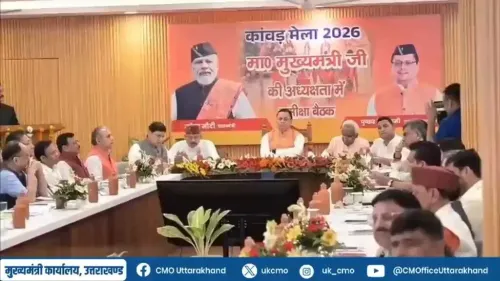
CM Dhami hails Haridwar as Kanwar Yatra fills city with devotion
Synopsis
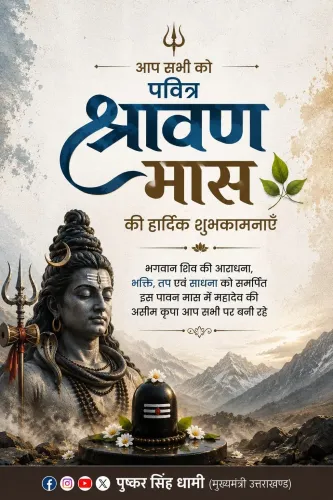
Uttarakhand CM Pushkar Singh Dhami on 12 August 2026 celebrated the Kanwar Yatra, declaring Haridwar 'Shivamay' — immersed in Lord Shiva — as lakhs of devotees carrying Ganga water transformed the pilgrimage city during the holy month of Shravan.
Key Takeaways
CM Pushkar Singh Dhami posted on 12 August 2026 celebrating the ongoing Kanwar Yatra in Haridwar .
He described the city as Shivamay — completely immersed in Lord Shiva — during the Shravan pilgrimage season.
The Kanwar Yatra is an annual Hindu pilgrimage drawing lakhs of devotees to Haridwar to collect sacred Ganga water for Shiva temples across North India.
The Haridwar-Rishikesh corridor sees intensive state-level coordination each Shravan for crowd management, traffic, and sanitation.
Dhami's post aligns with a broader pattern of Uttarakhand's political leadership publicly marking major religious events in the state.
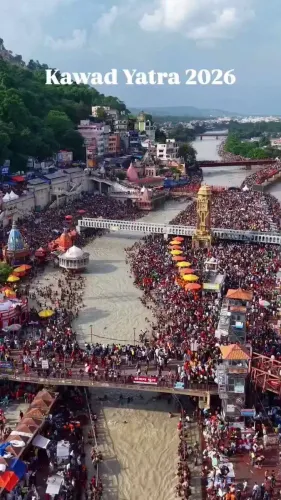
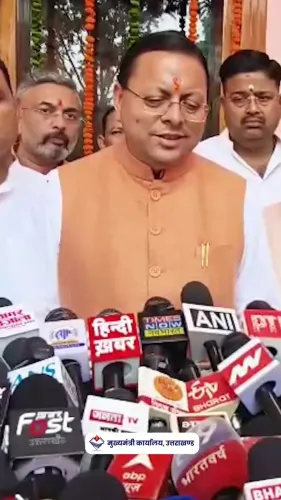
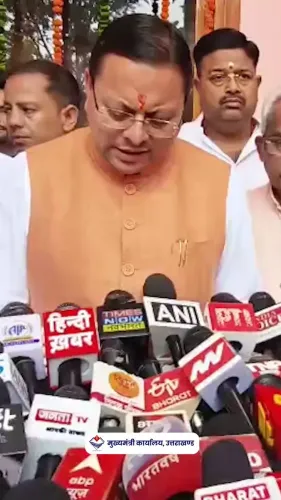
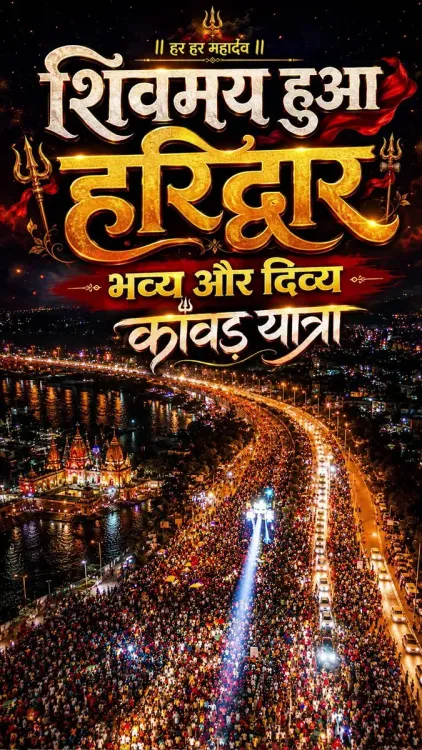
Haridwar turned saffron this Shravan as lakhs of kanwariyas — devotees carrying sacred Ganga water — flooded the ancient pilgrimage city, and Uttarakhand Chief Minister Pushkar Singh Dhami marked the moment on Wednesday, 12 August 2026, calling it a divine and grand spectacle that had made the holy city completely immersed in Lord Shiva.
Dhami posted in Hindi: 'Divya - Bhavya Kanwar Yatra mein Shivamay hui Dharm Nagari Haridwar!' — 'The sacred city of Haridwar has become one with Shiva in the divine and grand Kanwar Yatra!' The post, accompanied by a video, captured the scale and spiritual energy of the annual monsoon pilgrimage.
Haridwar at the heart of Shravan's biggest march
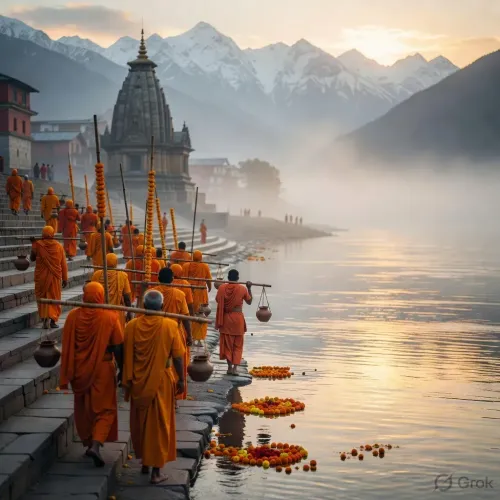
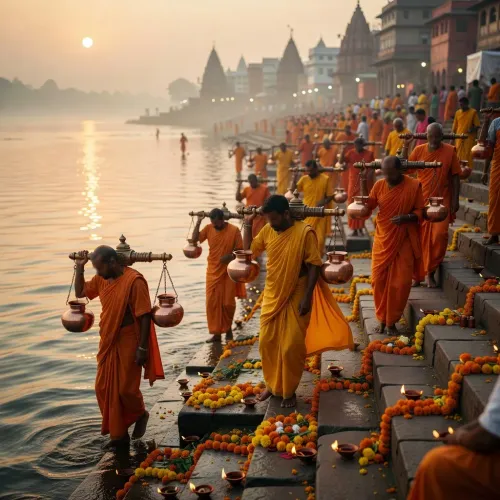
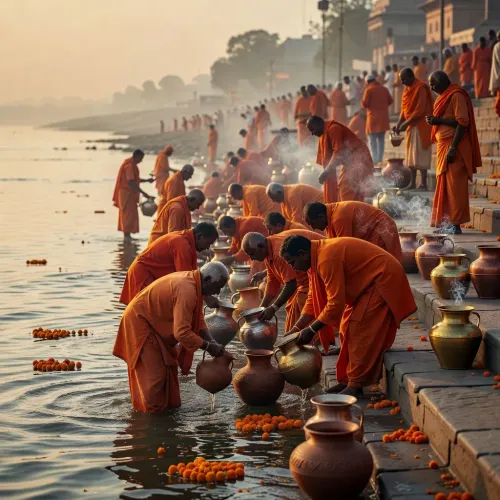
Every year during the Hindu month of Shravan, millions of devotees — known as kanwariyas — travel on foot to Haridwar, filling their distinctive orange-decorated pots with water from the Ganga before carrying it hundreds of kilometres to anoint Shiva temples across North India. The pilgrimage is one of the largest annual religious gatherings on the subcontinent, drawing participants from Uttar Pradesh, Delhi, Haryana, Rajasthan, and beyond.
Haridwar, situated where the Ganga descends from the Himalayas onto the plains, is the natural fulcrum of the yatra. Its ghats, temples, and narrow lanes absorb an extraordinary surge of humanity each Shravan — a logistical undertaking that falls squarely on the Uttarakhand state administration.
The state's role in keeping the yatra moving
Successive Uttarakhand governments have coordinated with local police, municipal bodies, and temple committees to manage crowd flow, sanitation, and emergency services along the Haridwar-Rishikesh corridor during the pilgrimage window. Traffic diversions, temporary medical camps, and dedicated pilgrim lanes are standard fixtures of each Shravan season. CM Dhami's public acknowledgement of the yatra fits a pattern of state leadership visibly associating with the pilgrimage — signalling administrative attention as much as personal devotion.
For the residents of Haridwar, the yatra is simultaneously a moment of deep religious pride and a demanding test of civic infrastructure. The city's identity as a dharm nagari — a city of faith — is renewed each year as the saffron tide arrives and departs.
When the chants fade and the last kanwariya heads home, the real measure of this year's yatra will be in the crowd-management numbers and the stories pilgrims carry back with them.
Point of View
The Kanwar Yatra is not just a spiritual event but a major administrative and economic exercise, and a CM's visible enthusiasm doubles as a message of state capacity and cultural pride. The post sits within a broader BJP governance narrative that frames active facilitation of Hindu pilgrimage infrastructure as a core development priority — distinct from, but connected to, larger projects like the Char Dham highway.
NationPress
12 Aug 2026
Frequently Asked Questions
What is the Kanwar Yatra?
The Kanwar Yatra is an annual Hindu pilgrimage held during the month of Shravan in which devotees, called kanwariyas, travel on foot to Haridwar and other Ganga-side towns to collect sacred river water, which they then carry back to anoint Shiva temples in their home regions across North India.
Why is Haridwar important for the Kanwar Yatra?
Haridwar is the primary destination of the Kanwar Yatra because it is where the Ganga flows down from the Himalayas onto the plains, making its ghats the most sacred point for collecting Ganga water. The city is considered a major Hindu pilgrimage hub and hosts millions of visitors each Shravan season.
What did CM Dhami say about the Kanwar Yatra in 2026?
On 12 August 2026, CM Pushkar Singh Dhami posted on X calling the Kanwar Yatra 'divine and grand' and describing Haridwar as having become 'Shivamay' — completely immersed in Lord Shiva — during the pilgrimage.
What arrangements does Uttarakhand make for the Kanwar Yatra?
The Uttarakhand government typically coordinates with local police, municipal authorities, and temple committees to deploy traffic diversions, crowd management measures, sanitation facilities, and medical camps along the Haridwar-Rishikesh corridor during the Shravan pilgrimage season.
When does the Kanwar Yatra take place?
The Kanwar Yatra takes place during the Hindu month of Shravan, which falls between July and August in the Gregorian calendar, coinciding with the monsoon season.