CM Dhami Hails Modi's Leadership for a Stronger, Self-Reliant Army
Synopsis
On Kargil Vijay Diwas, Uttarakhand CM Pushkar Dhami credited PM Narendra Modi's leadership for building a self-reliant, empowered Indian military fully capable of countering any threat, reinforcing the centre's Atmanirbhar Bharat defence agenda.
Key Takeaways
The Chief Minister's Office of Uttarakhand posted the statement on 26 July 2026 , coinciding with Kargil Vijay Diwas .
CM Pushkar Dhami credited PM Narendra Modi's leadership for making the Indian armed forces self-reliant and capable of 'a crushing response to any challenge.' The statement echoes the Atmanirbhar Bharat Abhiyan framework launched in 2020 , which set defence indigenisation as a national priority.
India's negative import list for defence items, introduced from 2020 , has progressively restricted foreign procurement to spur domestic production.
Uttarakhand's shared border with China and its concentration of military establishments give defence readiness particular local significance for the state government.
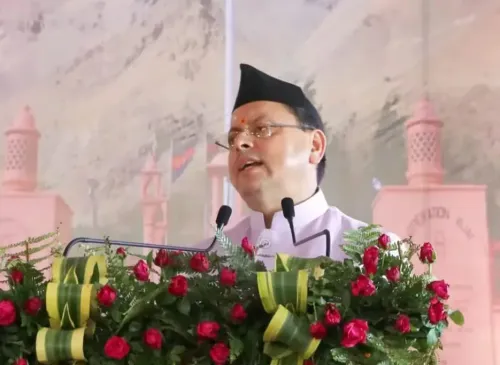
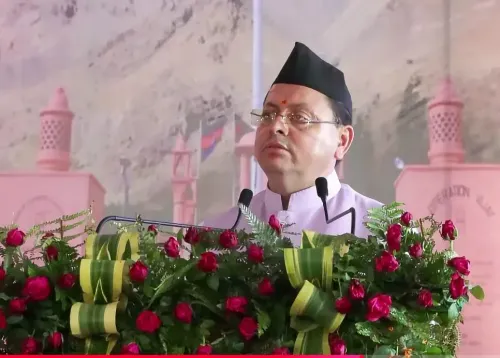
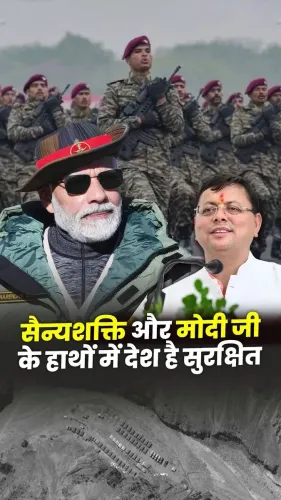
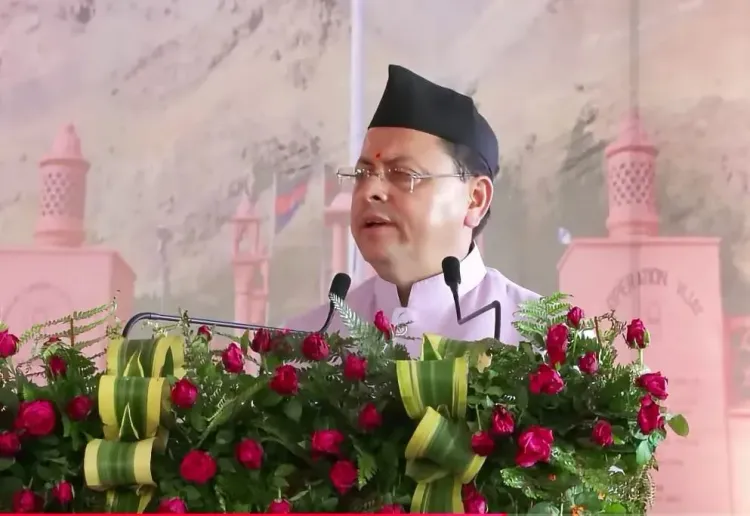
The Chief Minister's Office of Uttarakhand on Sunday, 26 July 2026 — Kargil Vijay Diwas — shared a statement by Chief Minister Pushkar Singh Dhami crediting Prime Minister Narendra Modi's leadership for building an empowered and self-reliant Indian military capable of meeting any challenge head-on.
Context
CM Dhami's statement, posted in Hindi, reads: 'Aadaraniya Pradhanmantri Shri Narendra Modi ji ke kushal netritva mein aaj hamari sena har drishti se sashakt aur aatmanirbhar bani hai.' ['Under the able leadership of respected Prime Minister Shri Narendra Modi ji, our armed forces have today become empowered and self-reliant in every respect.'] He added that this represents 'the military strength of a new India, fully capable of delivering a crushing response to any challenge.'
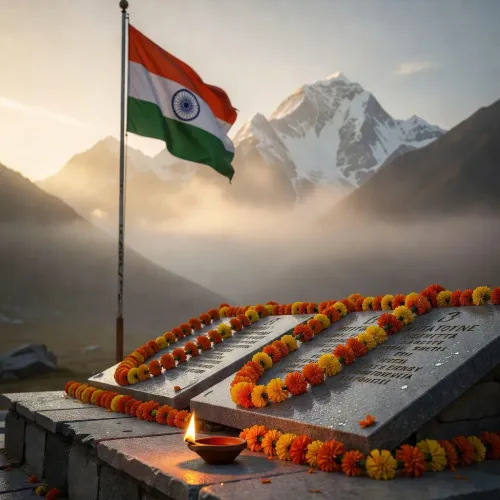
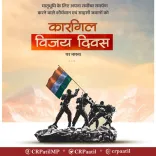
The statement was issued on 26 July, the date India observes Kargil Vijay Diwas annually to commemorate the 1999 victory over Pakistani forces in the Kargil conflict — lending the remarks clear symbolic weight.
Policy Backdrop
The endorsement aligns with the central government's sustained push for defence indigenisation. The Make in India initiative, launched in 2014, set the framework for domestic manufacturing across sectors, with defence identified as a priority. The Atmanirbhar Bharat Abhiyan, announced in 2020, sharpened those targets with explicit goals for domestic defence production and reduced import dependence.
A key instrument has been the negative import list for defence items, introduced from 2020 onwards, which progressively bars procurement of specified weapons and equipment from foreign suppliers, compelling the domestic industry to fill the gap. These measures collectively aim to reduce India's historically high reliance on foreign defence platforms and build an integrated military-industrial base.
Stakeholders and Impact
The beneficiaries of this policy trajectory span multiple layers: the Indian Armed Forces gain greater operational sovereignty with domestically produced platforms; defence manufacturers — both public-sector undertakings and private firms — access an expanding order book; and state governments like Uttarakhand, which has a significant presence of defence establishments and a large number of ex-servicemen, have a direct stake in a stronger, better-equipped military.
Uttarakhand shares a sensitive border with China and is home to several key military cantonments and training establishments, making defence readiness a matter of particular local relevance. State leaders routinely align their public messaging with national security priorities, especially on symbolically charged dates.
What's Next
Parliamentary deliberations on the next Union Defence Budget and any fresh indigenisation targets or procurement reforms from the central government will be closely watched as indicators of how far the self-reliance agenda has advanced. Kargil Vijay Diwas statements from senior political figures typically precede or accompany policy announcements and ceremonial reviews, making the coming days a window for further official communication on defence priorities.
Point of View
A framing that has become a staple of the party's national-security pitch. For a border state like Uttarakhand, such endorsements also serve a local constituency of defence personnel and veterans. The broader pattern signals that the Atmanirbhar Bharat defence agenda has become a durable political asset, not merely a policy objective.
NationPress
26 Jul 2026
Frequently Asked Questions
What did Uttarakhand CM Pushkar Dhami say about the Indian Army on 26 July 2026?
CM Pushkar Dhami stated that under PM Narendra Modi's leadership, India's armed forces have become self-reliant and empowered in every respect, and are fully capable of delivering a crushing response to any challenge.
Why was the statement made on 26 July?
26 July is observed as Kargil Vijay Diwas in India, marking the anniversary of India's victory in the 1999 Kargil conflict. Political leaders routinely issue statements on defence readiness on this date.
What is the Atmanirbhar Bharat Abhiyan in defence?
Atmanirbhar Bharat Abhiyan, announced in 2020, is a national self-reliance campaign that includes specific targets for domestic defence production and a reduction in defence imports through measures like the negative import list for defence items.
Why does Uttarakhand's CM specifically comment on defence matters?
Uttarakhand shares a sensitive border with China and hosts several key military cantonments and training establishments, making defence readiness a matter of direct local relevance for the state's leadership and population.
What is the negative import list for defence in India?
The negative import list, introduced from 2020, progressively bars the procurement of specified defence items from foreign suppliers, compelling domestic manufacturers to develop and supply those weapons and equipment instead.