CM Dhami Celebrates Uttarakhand's Mountain Spirit and Women
Synopsis
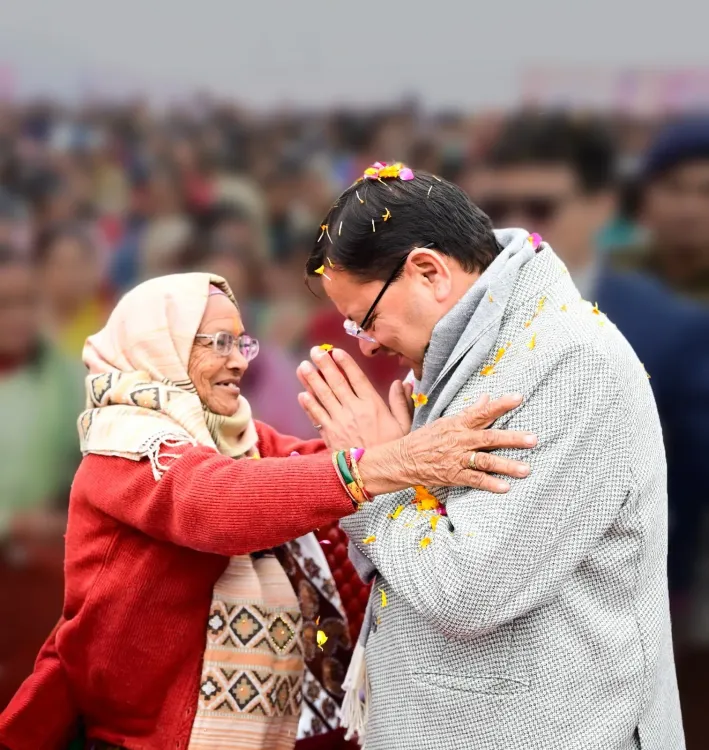
Uttarakhand Chief Minister Pushkar Singh Dhami on 31 May 2026 posted a Hindi message on X honouring the state's identity through the twin imagery of mountain resilience and maternal affection, calling the blessing of 'matrashakti' priceless.
Key Takeaways
CM Pushkar Singh Dhami posted on 31 May 2026 celebrating Uttarakhand's identity through mountain resilience and maternal warmth.
The Hindi post translates as: 'The firmness of a mountain and the affection of a mother — this is the identity of Uttarakhand.
The blessing of maternal power is priceless.' No specific scheme, event, or occasion was referenced in the post.
Women in hill districts of Garhwal and Kumaon form a central social and economic pillar of Uttarakhand's rural communities.
The messaging aligns with a broader BJP pattern in hill states of linking local geography and women's roles to cultural identity.
Policy watchers will monitor whether the statement precedes any new women-focused scheme or state-level event.
Uttarakhand Chief Minister Pushkar Singh Dhami on Sunday, 31 May 2026, invoked the state's twin pillars of identity — the unyielding resilience of its mountains and the nurturing warmth of its women — in a message posted on X that drew wide attention across the hill state.
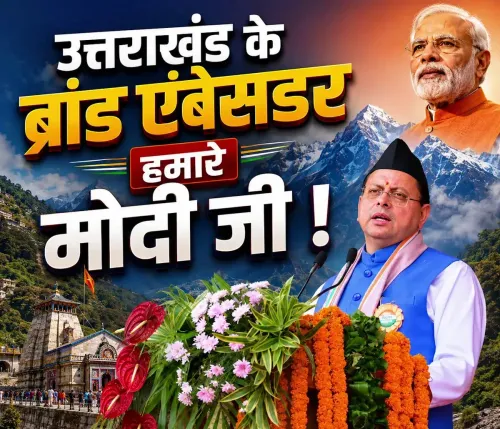
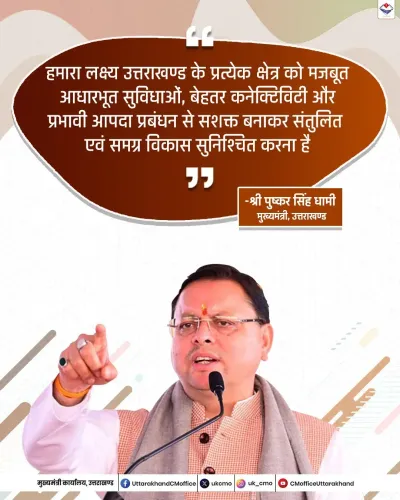
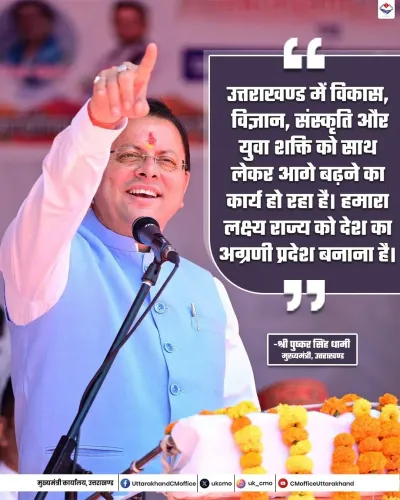
Writing in Hindi, CM Dhami said: 'Parvat jaisi dridhta aur maa jaisa sneh, yahi Uttarakhand ki pehchaan hai. Matrashakti ka aashirvaad amulya hai.' ['The firmness of a mountain and the affection of a mother — this is the identity of Uttarakhand. The blessing of maternal power is priceless.'] The post was accompanied by an image, though no specific scheme, event, or occasion was cited in the text.
Context
Uttarakhand, carved out of Uttar Pradesh in November 2000, is defined geographically and culturally by its Himalayan landscape. The state's social fabric has long rested on the contributions of women in hill communities, who manage agriculture, households, and local economies while a significant share of men migrate to plains cities for work. This demographic reality has made 'matrashakti' — maternal or feminine strength — a recurring motif in the state's political and cultural discourse.
CM Dhami, who assumed office in 2021 and leads a BJP government, has consistently woven themes of cultural pride and women's centrality into his public communication. Sunday's post is consistent with that pattern, presenting geography and gender as co-equal symbols of Uttarakhandi identity.
Policy Backdrop
The BJP-led state government has, over recent years, introduced several initiatives aimed at rural women in Uttarakhand, including self-help group financing, skill development programmes, and schemes targeting women farmers in remote hill districts. The broader national framework under which these sit — Mission Shakti and related central schemes — has provided additional institutional backing for women-centric outreach in hill states.
Chief ministers in BJP-governed hill states have periodically framed local geography and maternal imagery together as a statement of cultural identity, a messaging approach that resonates with both urban diaspora communities and rural voters who hold deep attachments to the hill way of life.
Stakeholders and Impact
The message speaks most directly to women in Uttarakhand's hill districts, who constitute a critical social and economic backbone in villages across Garhwal and Kumaon. For this constituency, public acknowledgement from the Chief Minister carries symbolic weight, particularly when framed not as a welfare beneficiary narrative but as one of strength and blessing.
The post also resonates with the state's large diaspora — Uttarakhandis settled in Delhi, Mumbai, and other metros — for whom mountain imagery and reverence for maternal figures are powerful cultural touchstones. Political observers note that such messaging, while ceremonial in tone, reinforces the government's positioning ahead of any future electoral or policy cycle.
What's Next
No specific event, scheme launch, or state programme was linked to Sunday's post. Observers will watch whether the sentiment is followed by concrete policy announcements — such as expanded funding for women's self-help groups, new rural livelihood schemes, or a state-level 'matrashakti' event — that translate the cultural framing into governance action. The Uttarakhand government's calendar of hill-district outreach programmes will be a key indicator of whether this message marks the opening of a broader initiative.
Point of View
Shareable message. It reflects a well-established BJP communications strategy in hill states: anchoring governance legitimacy in cultural pride rather than policy specifics. The invocation of 'matrashakti' is particularly deliberate, positioning women not as passive welfare recipients but as the moral and spiritual core of the state. Whether this signals an upcoming policy move or remains a standalone cultural statement will determine its longer-term political significance.
NationPress
21 Oct 2026
Frequently Asked Questions
What did Uttarakhand CM Pushkar Singh Dhami post on 31 May 2026?
CM Dhami posted a Hindi message on X saying the identity of Uttarakhand lies in the firmness of its mountains and the affection of a mother, and that the blessing of maternal power is priceless.
What does 'matrashakti' mean in the context of Uttarakhand?
'Matrashakti' literally means maternal or feminine strength. In Uttarakhand's context it refers to the central role women play in hill communities, managing agriculture, households, and local economies, often while men migrate to cities for work.
Is there a new scheme for women in Uttarakhand announced by CM Dhami?
No specific scheme or event was announced alongside the 31 May 2026 post. The message was cultural and symbolic in nature, with no linked policy announcement.
Why does CM Dhami frequently reference mountains and women in his messaging?
Uttarakhand's identity is shaped by its Himalayan geography and the outsized social role of women in hill districts. BJP leaders in the state have long used these two themes together to connect with both rural voters and the Uttarakhand diaspora.
What is the BJP's approach to women's issues in Uttarakhand?
The BJP-led Uttarakhand government has backed central and state schemes such as self-help group financing and skill development for rural women, framing women's empowerment within a cultural narrative of 'matrashakti' alongside welfare policy.