CM Dhami Highlights Bhumiya Devta Temple in Almora
Synopsis
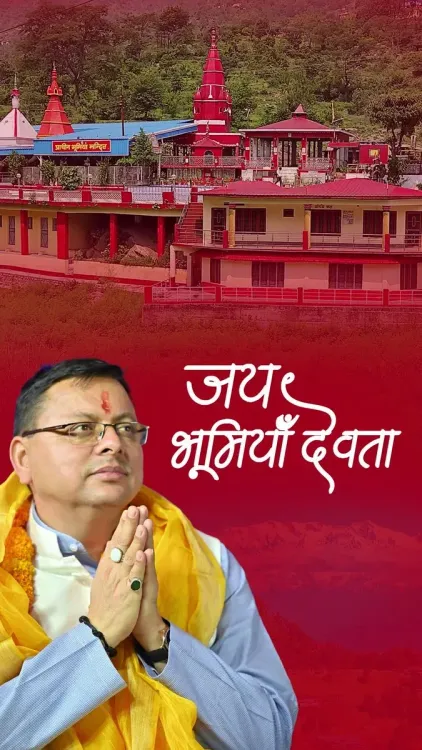
Uttarakhand Chief Minister Pushkar Singh Dhami on 28 June 2026 highlighted the Bhumiya Devta Temple in Masi, Almora — an ancient shrine on the Ramganga river bank — calling it a living symbol of the state's cultural heritage and urging visitors to the region to seek its blessings.
Key Takeaways
CM Pushkar Singh Dhami spotlighted the Bhumiya Devta Temple in Masi, Almora on 28 June 2026 via a social media post.
The temple is located on the banks of the Ramganga river in the Kumaon hills of Uttarakhand .
Bhumiya Devta is venerated as the Kshetrapal — guardian of the local area — and deity of village, agriculture, and livestock.
The shrine is described as a living symbol of Uttarakhand's lokdev (folk-deity) tradition and spiritual consciousness.
CM Dhami invited all visitors to Almora to include the temple in their itinerary.
The post aligns with the state government's broader push to promote religious and heritage tourism beyond major pilgrimage circuits.
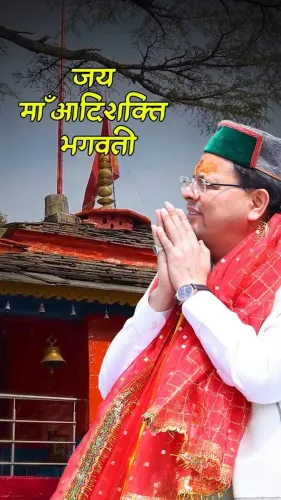
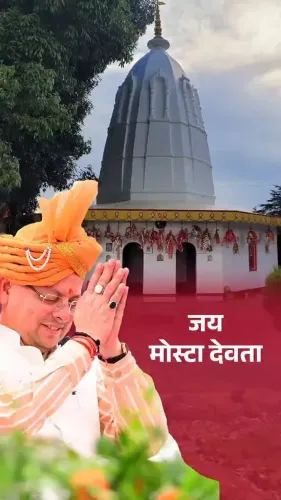
Uttarakhand Chief Minister Pushkar Singh Dhami on Sunday, 28 June 2026, drew attention to the Bhumiya Devta Temple situated on the banks of the Ramganga river in Masi, Almora, describing it as an ancient and revered religious site that embodies the state's rich cultural and spiritual heritage.
Context
In his post, CM Dhami described the temple as 'ek atyant prachin aur pujaneey dharmik sthal' (an extremely ancient and revered religious site). He noted that Bhumiya Devta is regarded as the Kshetrapal — the guardian deity of the local region — and is worshipped as the god of the village, agriculture, and livestock. The Chief Minister invited visitors coming to Almora to make a point of visiting this sacred shrine.
The Bhumiya Devta tradition is deeply woven into the folk-deity (lokdev) worship culture of the Kumaon hills. Such guardian deities are believed to protect the boundaries of villages and ensure the prosperity of crops and cattle, making them central to agrarian community life across Uttarakhand.
Policy Backdrop
The Dhami government has consistently promoted religious tourism and the preservation of local cultural traditions as pillars of Uttarakhand's development strategy. The state hosts some of India's most significant pilgrimage circuits, including the Char Dham Yatra, and has actively worked to bring lesser-known shrines and folk-deity temples into the tourism mainstream.
Highlighting a site like the Bhumiya Devta Temple in Masi fits within a broader effort to decentralise religious tourism beyond the major pilgrimage routes, directing footfall to smaller towns such as Almora in the Kumaon division. The Kumaon region's network of ancient temples and its distinct lokdev tradition represent a significant, if underexplored, heritage asset for the state.
Stakeholders and Impact
Local communities in and around Masi, Almora stand to benefit directly from increased visibility for the temple, as greater pilgrim and tourist footfall can stimulate the local economy through hospitality, transport, and craft sectors. Devotees of Bhumiya Devta — particularly farming communities who worship the deity for the protection of their fields and livestock — hold this shrine in especially high regard.
For the broader Uttarakhand tourism ecosystem, social media promotion by the Chief Minister serves as a cost-effective way to spotlight heritage sites that may lack the infrastructure or marketing budgets of larger pilgrimage destinations. Cultural organisations working to document and preserve Kumaon's lokdev traditions are also likely to welcome the official recognition.
What's Next
The post is part of a continuing pattern in which CM Dhami uses his social media presence to amplify awareness of Uttarakhand's spiritual and cultural landmarks, particularly ahead of and during the active pilgrimage and tourism season. Whether this spotlight on the Bhumiya Devta Temple translates into formal infrastructure development or inclusion in state tourism itineraries remains to be seen, but the public endorsement by the Chief Minister is expected to significantly increase visitor interest in Masi, Almora in the near term.
Point of View
Tapping into the Kumaon region's distinct cultural identity. By invoking the agrarian and community-protective dimensions of Bhumiya Devta worship, the post resonates with rural and farming constituencies who hold these traditions sacred. This kind of social-media diplomacy for heritage sites costs the state nothing but can generate measurable tourism interest. It also reinforces the BJP's consistent positioning of cultural and religious identity as central to governance in hill states.
NationPress
28 Jun 2026
Frequently Asked Questions
Where is the Bhumiya Devta Temple in Almora located?
The Bhumiya Devta Temple is located in Masi, Almora, on the banks of the Ramganga river in the Kumaon region of Uttarakhand.
Who is Bhumiya Devta and why is he worshipped?
Bhumiya Devta is a traditional folk deity of Uttarakhand, regarded as the Kshetrapal or guardian of the local region. He is worshipped as the protector of the village, agriculture, and livestock, making him especially important to farming communities.
What did CM Pushkar Singh Dhami say about the Bhumiya Devta Temple?
CM Dhami described the temple as an extremely ancient and revered religious site and a living symbol of Uttarakhand's rich cultural heritage and folk-deity tradition. He urged visitors to Almora to make a point of visiting the shrine.
How do I visit the Bhumiya Devta Temple in Masi, Almora?
The temple is situated in Masi village near Almora town in Uttarakhand, on the Ramganga river bank. Visitors travelling to Almora can include the shrine in their itinerary; local transport options from Almora town are typically available.
What is the lokdev tradition in Uttarakhand?
The lokdev or folk-deity tradition in Uttarakhand refers to the worship of local guardian deities who are believed to protect villages, agricultural land, and communities. Bhumiya Devta is one of the most widely revered such deities in the Kumaon hills.