CM Dhami Holds Tharu Tribal Dialogue in Khatima
Synopsis
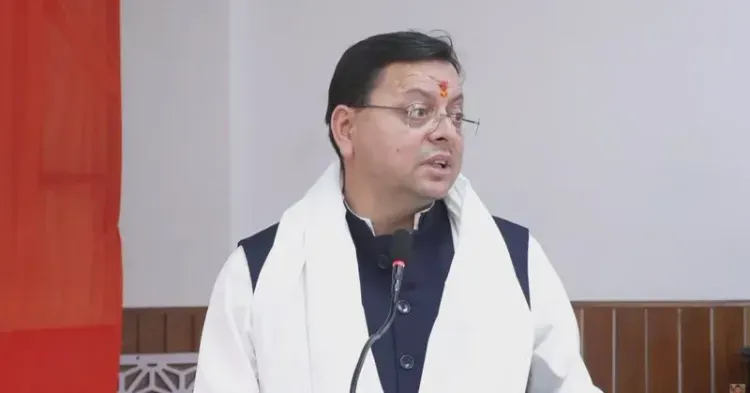
Uttarakhand Chief Minister Pushkar Singh Dhami held a live Tharu Janjati Samvad Karyakram in Khatima, Udham Singh Nagar on 1 August 2026, engaging directly with the Tharu tribal community on welfare and development issues in the Terai belt.
Key Takeaways
CM Pushkar Singh Dhami addressed a live Tharu tribal dialogue programme in Khatima, Udham Singh Nagar on 1 August 2026 .
The event — Tharu Janjati Samvad Karyakram — was broadcast live on X , widening its public reach beyond attendees.
Khatima in the southern Terai belt holds one of Uttarakhand's largest Tharu Scheduled Tribe populations.
Tharu welfare falls under the Tribal Sub-Plan framework following their formal ST recognition in Uttarakhand.
Key community concerns in the region include land rights, education, healthcare, and infrastructure in border-adjacent hamlets.
District-level follow-up on any announcements from the dialogue will be the critical indicator of outcomes.
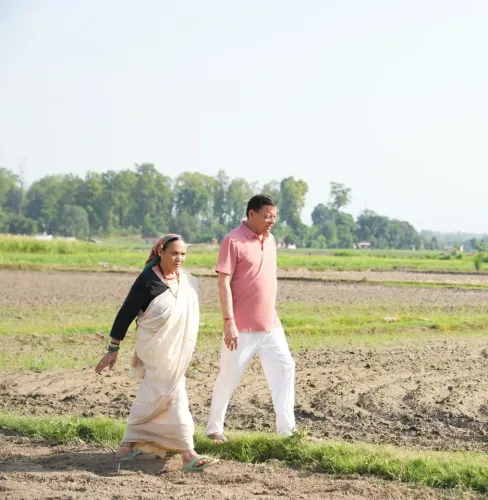
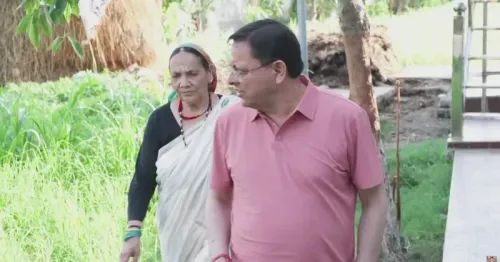
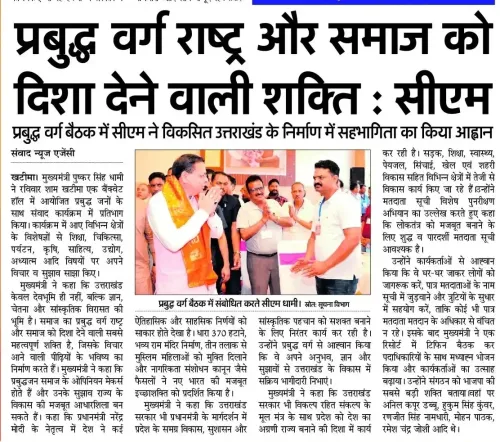
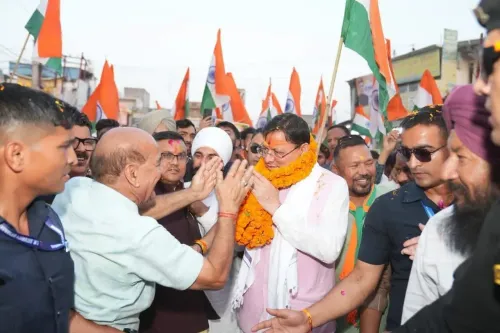
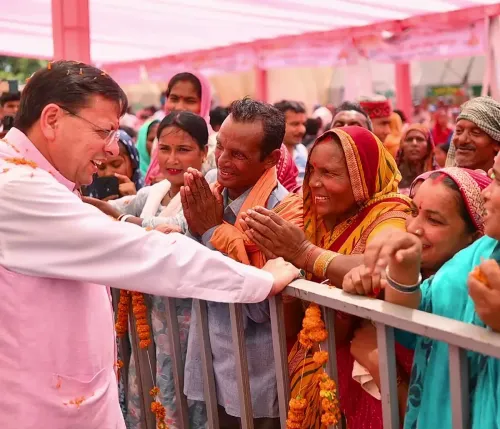
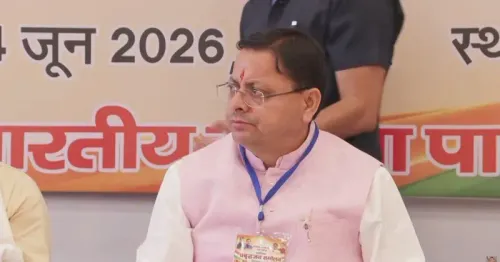
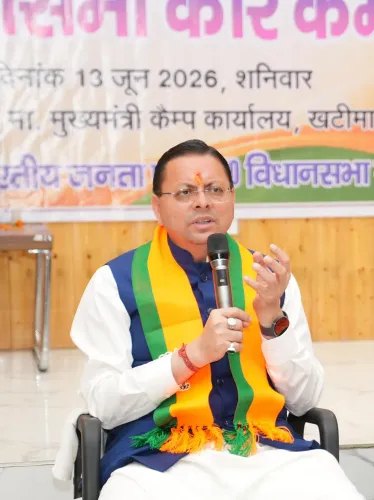
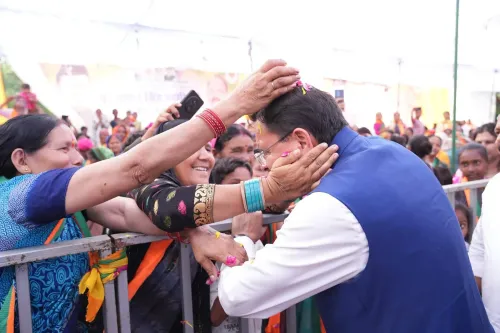
In the Terai heartland where Uttarakhand meets the Nepal border, Uttarakhand Chief Minister Pushkar Singh Dhami on Saturday, 1 August 2026 addressed a live Tharu Janjati Samvad Karyakram (Tharu Tribal Dialogue Programme) in Khatima, Udham Singh Nagar — taking the government's outreach directly into one of the state's most significant Scheduled Tribe communities.
Khatima's Tharu Belt: Why This Venue Matters
Khatima sits in the southern Terai strip of Udham Singh Nagar district, a region that carries the largest concentration of Tharu tribal population in Uttarakhand. The community's proximity to the Nepal border and their historical ties to the dense forest belt have long made land rights, education access, and infrastructure connectivity the defining pressure points of their political relationship with the state government.
The Tharu people were formally recognised as a Scheduled Tribe in Uttarakhand, unlocking entitlements under the Tribal Sub-Plan framework — but translating that recognition into on-ground delivery has remained an ongoing challenge that such dialogue programmes are designed to address.
Samvad as Governance: Dhami's Terai Outreach Pattern
The choice of a live-streamed samvad (dialogue) format — broadcast publicly on X — signals an intent to make the conversation visible beyond the room. Uttarakhand governments have periodically held community dialogues across Terai districts, but a sitting Chief Minister anchoring a live session from Udham Singh Nagar raises the political weight of the engagement.
For CM Dhami, who has led the state since 2021 with a stated emphasis on development and community outreach, the Terai belt represents both a welfare priority and an electoral constituency that the BJP has worked to consolidate among tribal voters.
What the Dialogue Is Expected to Cover
While specific announcements from the 1 August session are yet to be confirmed, such forums have historically surfaced demands around forest-land pattas, school and healthcare infrastructure in remote Tharu hamlets, and implementation gaps in central tribal welfare schemes. The real measure of the event will come in district-level follow-through — whether the samvad produces actionable directives or remains a platform moment.
The stakes are concrete: in a border-adjacent district where development indices for tribal households consistently lag the state average, a Chief Minister's direct engagement sets expectations that bureaucracies will be held to account for meeting.
Point of View
Direct-to-community outreach in tribal belts ahead of state electoral cycles — making governance feel participatory while simultaneously generating political optics. For Dhami, consolidating the Tharu vote in Udham Singh Nagar's Terai constituencies is both a welfare imperative and a strategic necessity. The real test is whether the dialogue model produces verifiable policy outcomes or remains a recurring ceremonial gesture. If specific scheme commitments emerge from this session, it would mark a meaningful step in Uttarakhand's Tribal Sub-Plan implementation.
NationPress
1 Aug 2026
Frequently Asked Questions
What is the Tharu Janjati Samvad Karyakram in Uttarakhand?
It is a government-organised dialogue programme that brings Uttarakhand's Chief Minister and officials into direct conversation with the Tharu tribal community to discuss welfare, land, education, and infrastructure concerns in the Terai region.
Who are the Tharu people in Uttarakhand?
The Tharus are a Scheduled Tribe community concentrated in the Terai districts of Uttarakhand, particularly Udham Singh Nagar, with historical ties to the forest belt near the Nepal border. They were formally recognised as a Scheduled Tribe, making them eligible for benefits under the Tribal Sub-Plan framework.
Where is Khatima and why is it significant for tribal welfare?
Khatima is a town in Udham Singh Nagar district in southern Uttarakhand's Terai belt, close to the Nepal border. It has a significant Tharu tribal population, making it a focal point for state tribal welfare and outreach programmes.
What issues does the Uttarakhand government address for Tharu tribes?
Key issues include forest-land rights, access to education and healthcare in remote hamlets, infrastructure development, and implementation of central and state tribal welfare schemes under the Tribal Sub-Plan framework.
Has CM Dhami held similar tribal outreach events before?
Uttarakhand governments have periodically conducted community dialogues in Terai districts since the state's formation. CM Dhami, who has led Uttarakhand since 2021, has continued this pattern with a stated focus on development and community outreach across the state.