CM Dhami Ploughs Fields at Khatima Nagla Tarai Home
Synopsis
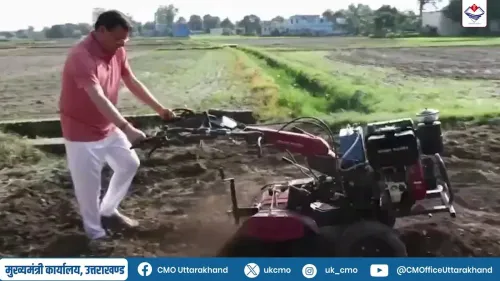
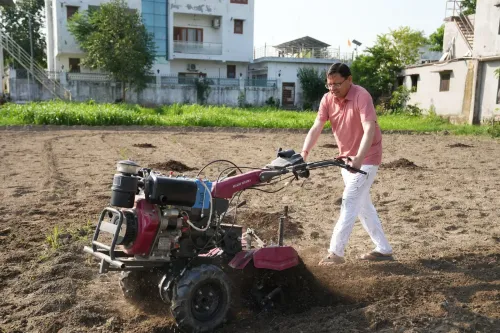
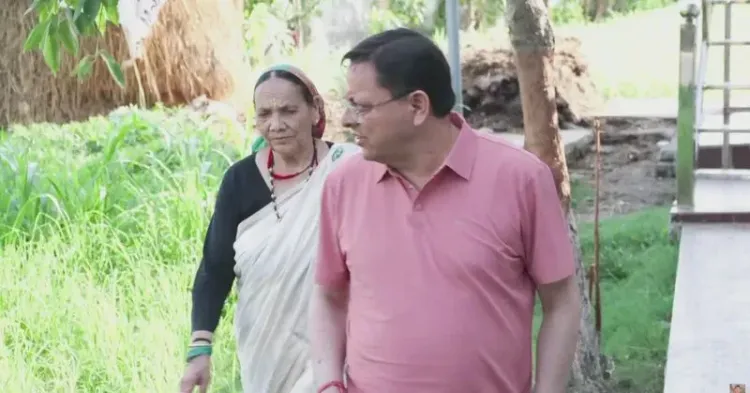
Uttarakhand Chief Minister Pushkar Singh Dhami livestreamed himself ploughing fields at his Nagla Tarai home in Khatima on June 15, 2026, in a public gesture of solidarity with the state's Terai farming communities and rural electorate.
Key Takeaways
Uttarakhand Chief Minister Pushkar Singh Dhami went live on X on June 15, 2026 , showing himself ploughing fields at his Nagla Tarai, Khatima residence.
Khatima in Udham Singh Nagar district is Dhami's home assembly constituency and lies in Uttarakhand's agriculturally significant Terai belt.
The Terai plains contribute substantially to Uttarakhand's output of rice, wheat, and sugarcane.
The Dhami government has prioritised rural outreach since taking office in 2021 .
The live broadcast targets farmers and rural voters, a key demographic in the Terai region.
Follow-up policy announcements on farmer welfare or agricultural schemes are being watched by political observers.
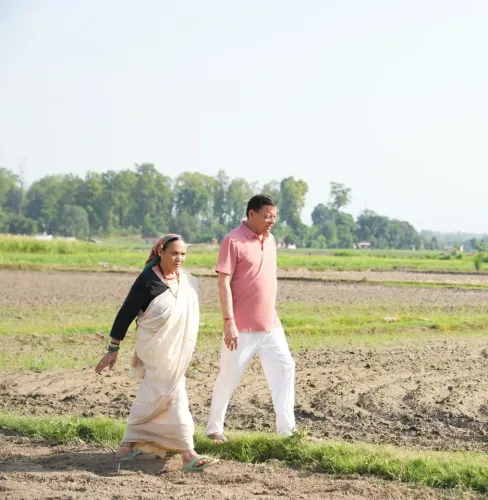
Uttarakhand Chief Minister Pushkar Singh Dhami on Monday, June 15, 2026, shared a live broadcast of himself ploughing fields at his residence in Nagla Tarai, Khatima, in a visible gesture of solidarity with the farming communities of the state's Terai plains.
Context
The Chief Minister's post, shared on his official X account, showed him engaged in jutaai (ploughing) at the family home in Khatima, a town in Udham Singh Nagar district of Uttarakhand. The live stream was broadcast to his followers, framing the activity as a personal connection to the agrarian roots of the region.
Khatima holds particular significance for Dhami — it is the assembly constituency he has represented, and the Terai belt surrounding it is among the most agriculturally productive zones in the state. The area's flat, fertile plains contrast with Uttarakhand's better-known hill terrain and contribute substantially to the state's food grain output.
Policy Backdrop
Since assuming office in 2021, the Dhami government has placed rural outreach and farmer welfare among its stated priorities. Uttarakhand's Terai districts, including Udham Singh Nagar, are central to the state's agricultural economy, producing rice, wheat, and sugarcane at scale.
The Bharatiya Janata Party (BJP), which governs Uttarakhand under Dhami's leadership, has nationally emphasised grassroots connectivity with farming communities. Chief ministers and senior leaders across party lines have increasingly used social media live features to broadcast personal engagement with rural activities, reinforcing their identity as leaders rooted in agrarian culture.
Stakeholders and Impact
The imagery of a sitting Chief Minister working the fields carries symbolic weight for farmers and rural voters in the Terai belt, who form a significant share of Udham Singh Nagar's electorate. Agricultural communities in the region have historically sought greater state attention to issues such as crop pricing, irrigation infrastructure, and input subsidies.
Such public gestures are closely watched by farmer organisations and opposition parties alike — the former for signals of policy intent, the latter for opportunities to question whether symbolic outreach translates into substantive support for cultivators.
What's Next
Political observers will watch for any follow-up announcements tied to this outreach, particularly statements on farmer welfare schemes or agricultural budget allocations in Uttarakhand assembly proceedings. Dhami's decision to broadcast the activity live suggests an intent to reach a wide rural audience ahead of any upcoming political or legislative calendar.
Whether the gesture catalyses concrete policy announcements for the Terai farming belt — or remains a moment of symbolic engagement — will determine its lasting resonance with the constituency it seeks to address.
Point of View
With its large farming population, is electorally consequential, and such imagery is designed to reinforce the Chief Minister's identity as a leader of the soil rather than merely an administrator in Dehradun. The gesture fits a broader national BJP pattern of blending personal symbolism with political messaging ahead of assembly or local body cycles. Its policy value, however, will be measured against tangible outcomes for farmers in areas like irrigation access, MSP implementation, and rural credit availability.
NationPress
15 Sept 2026
Frequently Asked Questions
Why did CM Dhami plough fields at Khatima?
Chief Minister Pushkar Singh Dhami ploughed fields at his Nagla Tarai residence in Khatima on June 15, 2026, as a public gesture of solidarity with the farming communities of Uttarakhand's Terai region, broadcasting the activity live on X.
Where is Nagla Tarai in Uttarakhand?
Nagla Tarai is a locality in or near Khatima town, which falls in Udham Singh Nagar district of Uttarakhand — a flat, fertile Terai zone known for rice, wheat, and sugarcane cultivation.
What is Khatima's significance for Pushkar Singh Dhami?
Khatima is Dhami's home assembly constituency and the town where he has deep personal and political roots. It lies in the Terai plains, a key agricultural and electoral belt of Uttarakhand.
What farming policies has the Dhami government announced for Uttarakhand?
Since 2021, the Dhami government has stated rural outreach and farmer welfare as priorities, though specific scheme details from this June 2026 broadcast have not yet been announced publicly.
What is the BJP's approach to farmer outreach in Uttarakhand?
The BJP under Dhami has used social media visibility of farming activities as part of grassroots outreach, mirroring a broader national party strategy of connecting leaders visually with agrarian communities.