Kulgam terror attack: J&K CM Omar Abdullah announces ₹10 lakh ex gratia for victims' kin
Synopsis
Two migrant brick kiln workers from Chhattisgarh were shot dead by terrorists in Kulgam's Kellam village — the latest in a series of attacks on unarmed non-locals in Kashmir. J&K CM Omar Abdullah announced ₹10 lakh ex gratia per family, on top of ₹6 lakh from district authorities, as security forces face mounting pressure to protect a largely unguarded migrant workforce.
Key Takeaways
Terrorists shot and killed two Chhattisgarh labourers — Deepak and Bopinder — at Kellam village, Kulgam on 1 August 2025 .
J&K Chief Minister Omar Abdullah announced ₹10 lakh ex gratia each from the Chief Minister's Relief Fund for the victims' next of kin.
The District Administration will separately provide ₹6 lakh each , bringing total government relief to ₹16 lakh per family .
Both victims were non-local migrant workers; the attack is part of a documented shift in militant tactics targeting unarmed civilians.
On 22 July , Head Constable Ashiq Hussain Qureshi was killed in Anantnag while on Amarnath Yatra duty — the most recent prior attack.
Security forces have heightened vigil at transit locations used by non-local workers across the Valley.
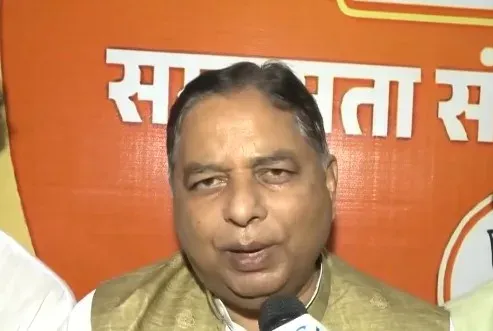
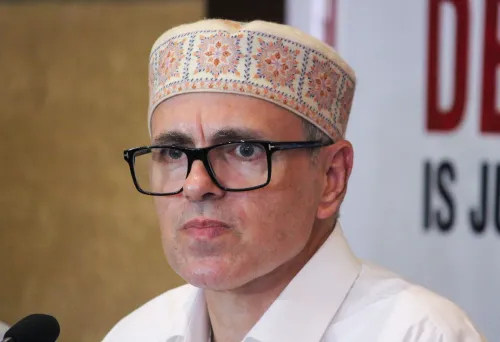
Jammu and Kashmir Chief Minister Omar Abdullah on Saturday, 2 August 2025, condemned the Kulgam terror attack and announced an ex gratia relief of ₹10 lakh each from the Chief Minister's Relief Fund for the next of kin of the two labourers killed by terrorists in Kellam village, Kulgam district. The announcement came a day after gunmen shot and critically wounded the two migrant workers from Chhattisgarh, both of whom subsequently succumbed to their injuries.
The Attack and Its Victims
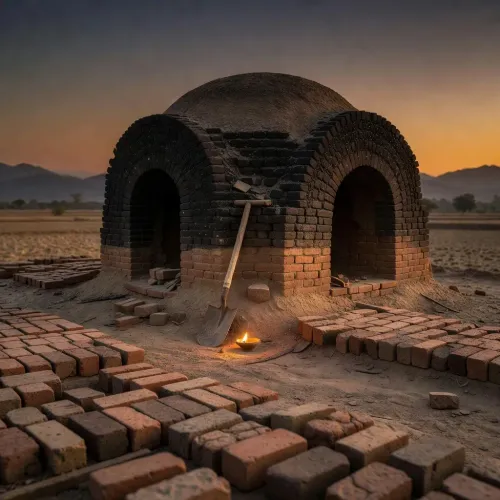
Terrorists on Friday evening opened fire on two brick kiln workers — identified as Deepak and Bopinder — at Kellam village in Kulgam. Both were non-local labourers from Chhattisgarh. The injured men were rushed to the government medical college hospital in Anantnag. Deepak succumbed to his injuries at the Anantnag hospital, while Bopinder was transferred to the super-specialty Sher-e-Kashmir Institute of Medical Sciences (SKIMS) in Soura, Srinagar, where he passed away on Saturday morning.
What the Government Announced
Chief Minister Abdullah's office posted on X that he had 'strongly condemned the dastardly killing of two labourers in Kulgam and expressed profound grief over the loss of innocent lives.' The ₹10 lakh ex gratia from the Chief Minister's Relief Fund will be provided in addition to an immediate assistance of ₹6 lakh each to be disbursed by the District Administration. In total, each bereaved family stands to receive ₹16 lakh in government relief. Abdullah also 'conveyed his heartfelt condolences to the bereaved families and reaffirmed that the Government stands firmly with them during this difficult time,' according to his office's statement.
A Shifting Pattern of Terror
The Kulgam attack fits a documented shift in militant tactics across the Kashmir Valley. After years of targeting prominent citizens, judges, political workers, religious leaders, and members of the Kashmiri Pandit community — which was driven to mass exodus — terror groups have increasingly pivoted to what security analysts describe as hybrid operations against unarmed, non-local civilians: migrant labourers, roadside traders, and drivers. The aim, analysts note, is to sustain a climate of fear with lower operational risk. Notably, on 22 July, terrorists killed Head Constable Ashiq Hussain Qureshi in Anantnag while he was deployed on Amarnath Yatra duty — underscoring the breadth of targets in recent weeks.
Security Response and Political Condemnation
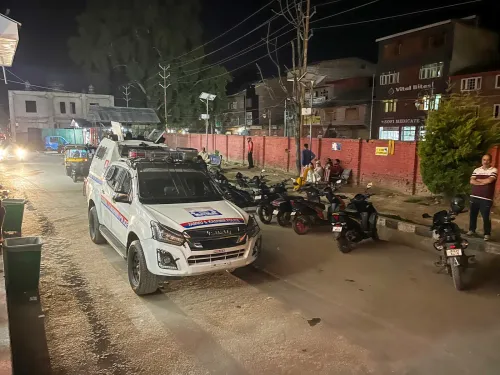
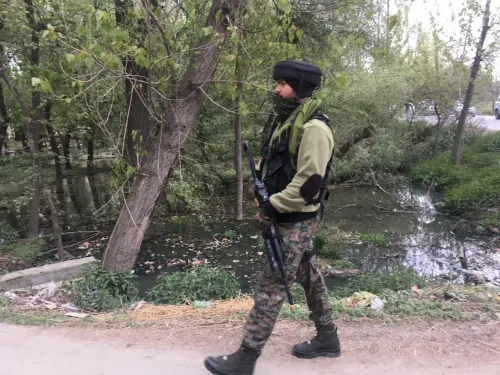
Security forces and Jammu and Kashmir Police have stepped up vigil around transit locations used by non-local workers across the Valley. The attack has drawn widespread condemnation from local political and religious leaders. The killings raise fresh questions about the safety of the estimated tens of thousands of migrant labourers who form a critical part of Kashmir's brick-kiln, construction, and agricultural workforce — and who have no formal security cover.
What Comes Next
Authorities are expected to intensify the search for the perpetrators in Kulgam district. The back-to-back attacks on non-locals in July and August are likely to prompt a review of security protocols at labour sites across the Valley. Whether the ex gratia payments and condemnations translate into tangible protective measures for migrant workers will be closely watched by civil society groups and opposition parties alike.
Point of View
Unguarded targets. Migrant labourers from states like Chhattisgarh have no security detail, no safe houses, and no early-warning system. Ex gratia payments, however generous, are a response to death, not a deterrent to the next attack. The J&K government's repeated condemnations ring increasingly hollow unless accompanied by a credible protection framework for the estimated tens of thousands of non-locals working in the Valley. The pattern — labourers, traders, drivers — suggests the goal is economic disruption as much as terror, and that demands an economic as well as a security response.
NationPress
1 Aug 2026
Frequently Asked Questions
Who were the victims of the Kulgam terror attack?
The two victims were migrant brick kiln workers from Chhattisgarh, identified as Deepak and Bopinder. They were shot by terrorists at Kellam village in Kulgam district on the evening of 1 August 2025 and both succumbed to their injuries — Deepak at Anantnag hospital and Bopinder at SKIMS, Srinagar, on Saturday morning.
What relief has the J&K government announced for the victims' families?
Chief Minister Omar Abdullah announced ₹10 lakh ex gratia each from the Chief Minister's Relief Fund. In addition, the District Administration will provide ₹6 lakh each as immediate assistance, bringing the total government payout to ₹16 lakh per bereaved family.
Why are non-local labourers being targeted in Kashmir?
According to security analysts and reports, terror groups have shifted tactics toward hybrid operations targeting unarmed, non-local civilians — including labourers, roadside traders, and drivers — to sustain fear with lower operational risk. This follows years of targeting prominent citizens, judges, and religious leaders, as well as the forced exodus of the Kashmiri Pandit community.
What was the most recent prior attack before Kulgam?
On 22 July 2025, terrorists killed Head Constable Ashiq Hussain Qureshi in Anantnag while he was deployed on Amarnath Yatra duty. The Kulgam attack follows within days, highlighting a sustained tempo of violence in the Valley.
What security measures are in place for non-local workers in Kashmir?
Security forces and Jammu and Kashmir Police have increased vigilance around transit locations used by non-local workers. However, no formal dedicated protection framework for migrant labourers at work sites has been publicly announced as of this report.