Jal Shakti Minister Paatil Reviews Navsari Flood Relief
Synopsis
Union Jal Shakti Minister C. R. Paatil chaired a flood review meeting at the Navsari district control room on 1 August 2026, directing officials and party workers on relief operations, immediate aid delivery, and tighter coordination to restore normal life in flood-hit areas.
Key Takeaways
Paatil , Union Minister of Jal Shakti, held a review meeting at the Navsari Control Room on 1 August 2026 amid flooding in the district.
The minister issued directions on relief and rescue operations, immediate assistance to affected areas, and inter-agency coordination.
Both government officials and BJP organisation workers were present, indicating a dual administrative-and-party-network approach to last-mile aid delivery.
Navsari district in southern Gujarat faces recurring monsoon flood risk from rivers including the Ambica .
The Jal Shakti Ministry has a direct mandate on water resources and flood-mitigation infrastructure, underpinning the minister's involvement.
Paatil stated that coordination with district machinery will be maintained continuously until normal life is restored.
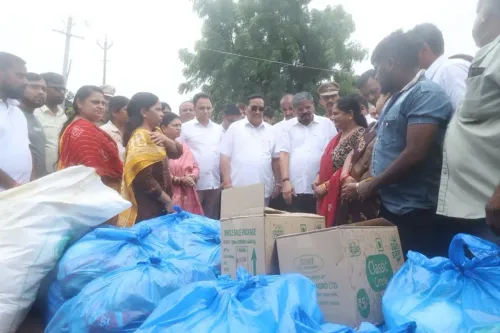
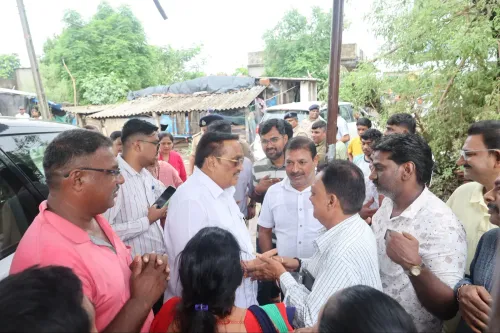
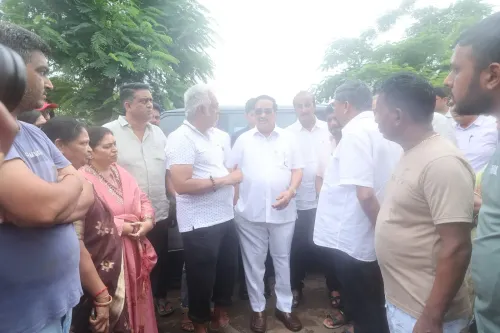
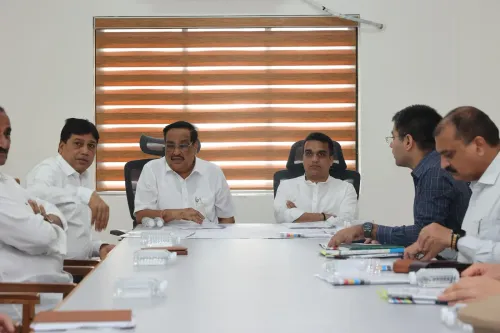
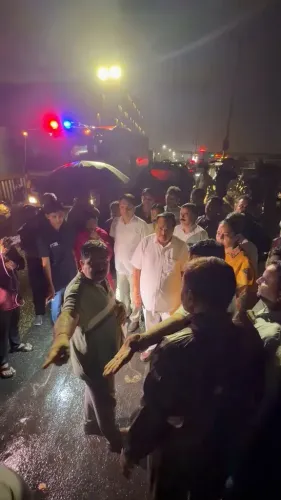
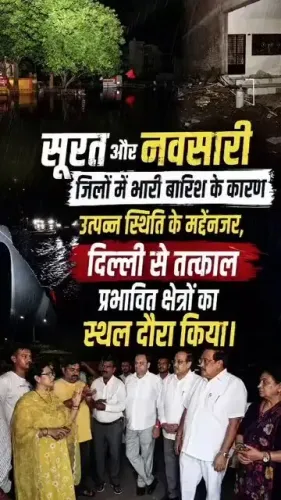
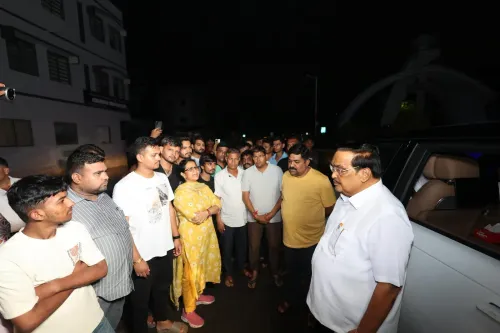
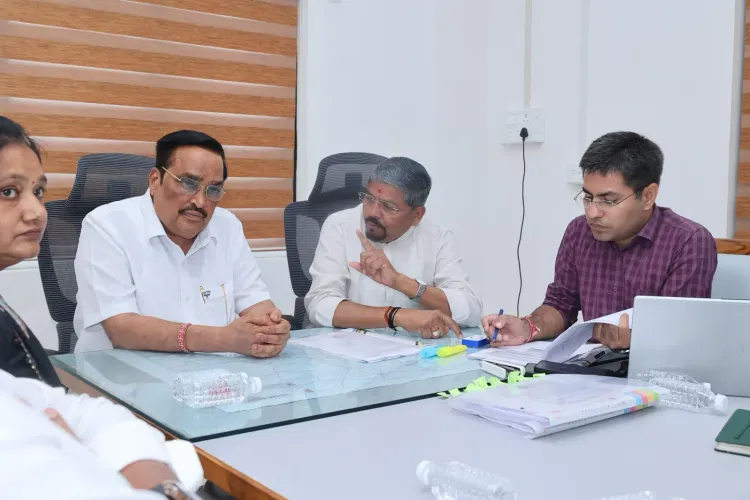
Floodwaters have put Navsari district in southern Gujarat on emergency footing — and Union Jal Shakti Minister C. R. Paatil was at the district control room on Saturday, 1 August 2026, personally chairing a wide-ranging review meeting with officials and party workers to sharpen the relief and rescue response.
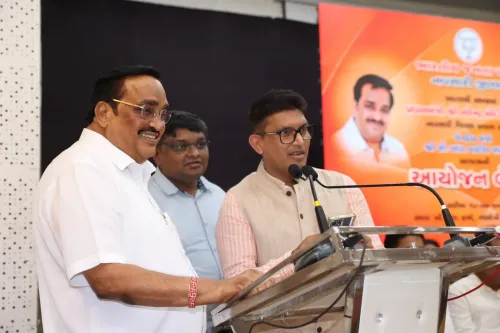
Posting in Gujarati, Paatil said he 'addressed an extensive review meeting at the Navsari Control Room with officers and organisation workers, taking stock of the flood situation that has developed in Navsari district.' He issued specific directions to make relief and rescue operations, immediate assistance to affected areas, and inter-agency coordination more effective.
What the control-room meeting covered
The minister's stated priorities at the meeting were threefold: accelerating relief and rescue operations already underway, ensuring immediate aid reaches affected zones, and tightening coordination between the district machinery and field-level workers. The presence of both government officials and sangathan na karyakaro (organisation workers — referring to BJP functionaries) signals a dual-track approach: administrative command alongside party-network outreach for last-mile delivery.
Paatil underlined that 'continuous coordination with the system is being maintained so that timely assistance reaches every affected citizen and normal life is restored at the earliest.' The framing is notable — the minister is positioning this not as a one-visit gesture but as an ongoing, hands-on engagement with the district apparatus.
Navsari's recurring monsoon vulnerability
Navsari, a district in southern Gujarat with a largely agricultural economy, sits in a flood corridor fed by rivers including the Ambica. The region faces periodic inundation during heavy monsoon spells, making control-room coordination between the state, district administration, and central ministries a recurring necessity.
Under the Disaster Management Act, 2005, the framework for such central-state coordination was formalised through the National Disaster Management Authority. The Jal Shakti Ministry has a direct stake in flood response given its mandate over water resources and flood-mitigation infrastructure — making Paatil's presence at a district control room consistent with the ministry's operational brief, not merely a political visit.
With Gujarat's monsoon season at full intensity, the watch now is on whether this review triggers a formal request for central financial assistance or NDRF deployment — and whether similar meetings follow in other vulnerable districts across the state.
Point of View
Who built his base as BJP Gujarat state president before entering the Union cabinet, this is also home territory: being seen at the control room reinforces both administrative credibility and constituency connect. The involvement of party workers alongside officials reflects a well-worn BJP template of blending government machinery with organisational reach for disaster response. The broader test will be whether this visit translates into concrete central resource commitments — NDRF teams, financial assistance — or remains a coordination exercise.
NationPress
1 Aug 2026
Frequently Asked Questions
Why did C. R. Paatil visit Navsari during the floods?
Union Jal Shakti Minister C. R. Paatil visited Navsari on 1 August 2026 to chair a review meeting at the district control room, assess the flood situation, and issue directions on relief, rescue, and coordination. As Jal Shakti Minister, his portfolio covers water resources and flood-mitigation infrastructure, giving him a direct role in flood response.
What is the Navsari flood situation in 2026?
Navsari district in southern Gujarat experienced significant flooding during the 2026 monsoon season, prompting emergency review meetings at the district control room. Specific details on the flood's scale and casualties have not been officially confirmed in the available information.
What directions did Paatil give at the Navsari control room?
Paatil directed officials and party workers to accelerate relief and rescue operations, ensure immediate assistance reaches affected areas, and improve inter-agency coordination so that timely help reaches every affected citizen and normal life is restored at the earliest.
Is Navsari prone to flooding?
Yes. Navsari is a district in southern Gujarat with an agricultural economy and periodic monsoon flood risk, particularly from rivers including the Ambica. It has experienced recurrent inundation during heavy monsoon spells.
What is the role of the Jal Shakti Ministry in flood relief?
The Jal Shakti Ministry holds a mandate over water resources and flood-mitigation infrastructure in India. Under the Disaster Management Act, 2005, it participates in coordinated central-state disaster response, making its minister's involvement in district-level flood reviews consistent with the ministry's operational brief.