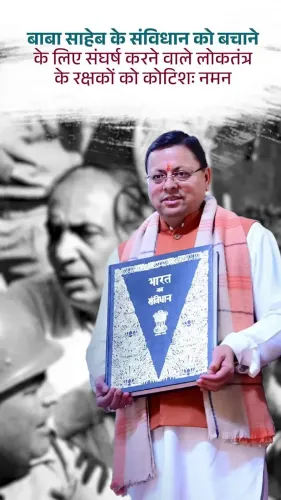
CM Dhami honours Emergency-era democracy fighters on Samvidhan Hatya Diwas
Synopsis
On Samvidhan Hatya Diwas, Uttarakhand CM Pushkar Singh Dhami paid tribute to those who resisted the 1975 Emergency, saying democracy fighters did not let the flame of democracy be extinguished during the 21-month constitutional suspension imposed by Indira Gandhi's government.
Key Takeaways
Uttarakhand CM Pushkar Singh Dhami posted a tribute on 25 June honouring Emergency-era democracy fighters.
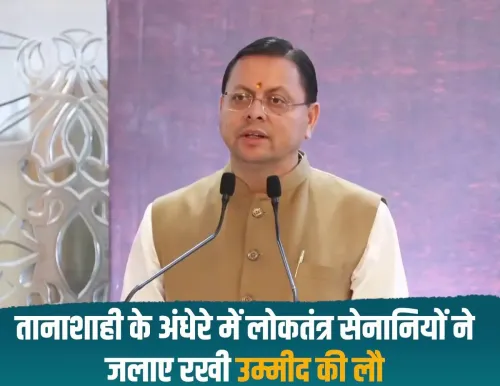
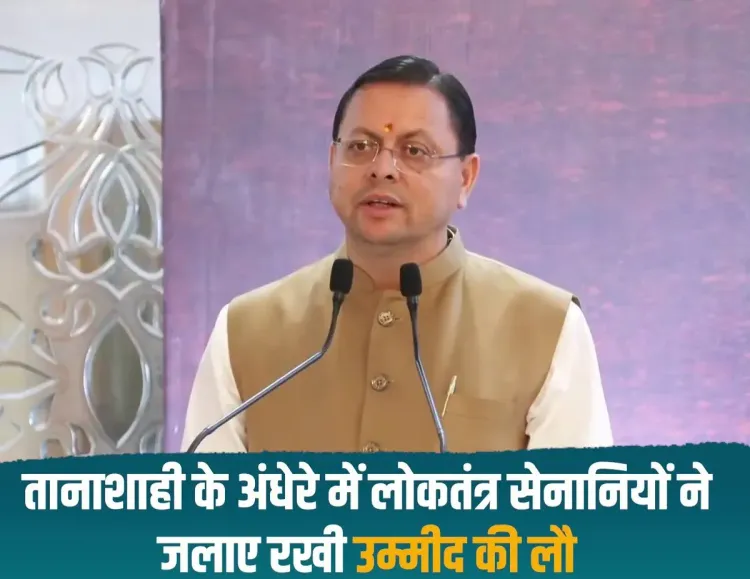
His post stated that democracy fighters 'did not let the flame of democracy be extinguished' during the 1975 Emergency .
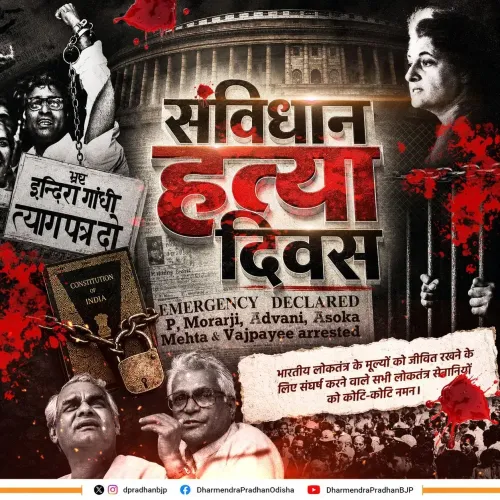
The post used the hashtag #SamvidhanHatyaDiwas , the official name for the annual commemoration.
The Union government formally designated 25 June as Samvidhan Hatya Diwas in 2024 .
The 1975 Emergency lasted 21 months , suspending fundamental rights and press freedom across India.
The BJP has institutionalised annual remembrance of the Emergency as a constitutional event, with state leaders amplifying the message each year.
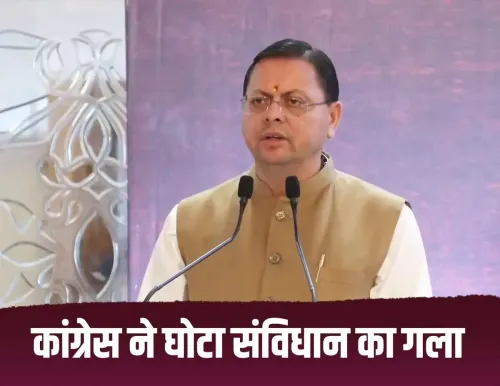
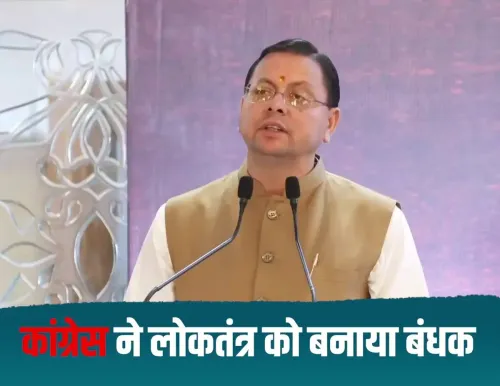
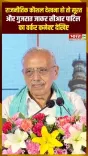
Uttarakhand Chief Minister Pushkar Singh Dhami paid tribute on 25 June to those who resisted the 1975 Emergency, saluting their struggle for keeping the flame of democracy alive during one of independent India's darkest constitutional chapters. Dhami posted his tribute on X, invoking the hashtag #SamvidhanHatyaDiwas, the official designation for the day.
Context
In his post, CM Dhami wrote: 'Aapatkaal ke dauran loktantra senaniyon ne apne sangharsh se loktantra ki jyoti ko bujhne nahin diya' — 'During the Emergency, the fighters for democracy did not let the flame of democracy be extinguished through their struggle.' The message is a direct acknowledgement of the thousands of political workers, journalists, and civil society members who were imprisoned or suppressed during the 21-month Emergency imposed by then Prime Minister Indira Gandhi beginning 25 June 1975.
The Emergency suspended fundamental rights, curtailed press freedom, and allowed the government to rule by decree. Constitutional safeguards were effectively set aside until the Emergency was lifted in March 1977.
Policy Backdrop
The Union government formally designated 25 June as Samvidhan Hatya Diwas — 'Constitution Murder Day' — in 2024, institutionalising annual remembrance of the Emergency as a constitutional event. The move was aimed at embedding the memory of the period into the official calendar, framing it as an assault on the Constitution itself rather than a mere political episode.
The BJP has consistently used this anniversary to draw a contrast between what it describes as the Congress party's authoritarian record and its own commitment to constitutional governance. State-level leaders, including chief ministers, routinely amplify central messaging on this day through social media and public programmes.
Stakeholders and Impact
The primary beneficiaries of the day's recognition are democracy fighters — individuals who were jailed, went underground, or publicly resisted Emergency-era repression. Organisations representing these activists have long sought formal state acknowledgement of their sacrifices, and the creation of Samvidhan Hatya Diwas gave that acknowledgement an official character.
For political parties, the anniversary carries significant symbolic weight. The BJP's annual messaging reinforces a constitutional narrative that resonates with voters who lived through the Emergency or whose families were affected. Opposition parties, particularly the Congress, have contested the framing, arguing the day is being used for political point-scoring rather than genuine constitutional reflection.
What's Next
State and central government programmes are typically scheduled around 25 June each year, ranging from felicitation ceremonies for surviving democracy fighters to panel discussions on constitutional values. CM Dhami's post signals Uttarakhand's participation in this broader national observance. References to the Emergency and constitutional resilience are also expected to feature in parliamentary discourse during upcoming sessions, as the BJP continues to use the anniversary as a long-term political and ideological touchstone.
Point of View
The messaging is calibrated to appear civic rather than partisan, broadening its emotional appeal. The formal creation of Samvidhan Hatya Diwas in 2024 gave state-level leaders like Dhami an official platform to amplify this narrative annually, embedding it deeper into public memory. As long as the BJP remains in power at the Centre, this anniversary is likely to grow in institutional scale and political salience.
NationPress
25 Jun 2026
Frequently Asked Questions
What is Samvidhan Hatya Diwas?
Samvidhan Hatya Diwas, meaning 'Constitution Murder Day', is an official commemoration observed on 25 June each year to mark the imposition of the Emergency in 1975 by then Prime Minister Indira Gandhi. The Union government formally designated the day in 2024 .
What did CM Dhami say on Samvidhan Hatya Diwas?
Uttarakhand CM Pushkar Singh Dhami posted on X that 'during the Emergency, the fighters for democracy did not let the flame of democracy be extinguished through their struggle,' paying tribute to those who resisted the 1975 constitutional suspension.
What was the 1975 Emergency in India?
The 1975 Emergency was a 21-month period from June 1975 to March 1977 during which Prime Minister Indira Gandhi's government suspended fundamental rights, curtailed press freedom, and ruled by decree, jailing thousands of political opponents and activists.
Why does the BJP observe Samvidhan Hatya Diwas?
The BJP has institutionalised the Emergency anniversary as a constitutional event, framing it as an assault on democracy by the Congress party. The annual observance reinforces the party's narrative of defending constitutional values and honours those who resisted Emergency-era repression.
Who are the democracy fighters mentioned on Samvidhan Hatya Diwas?
'Democracy fighters' refers to political workers, journalists, civil society members, and ordinary citizens who were imprisoned, went underground, or publicly resisted the suspension of civil liberties during the 1975–1977 Emergency in India.