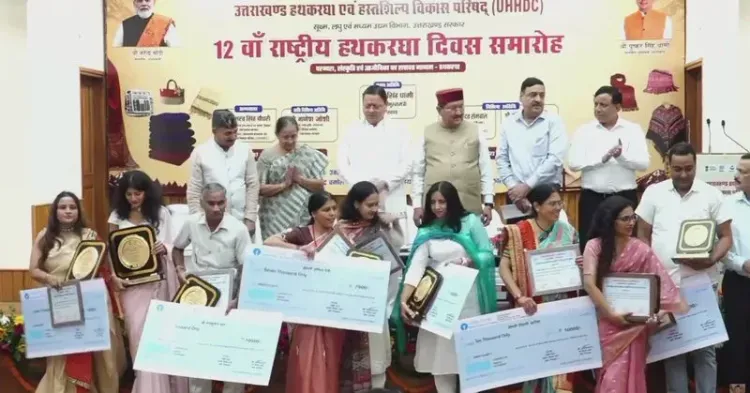
CM Dhami hosts 12th National Handloom Day in Dehradun
Synopsis
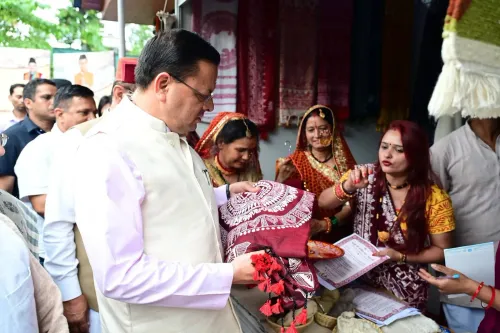
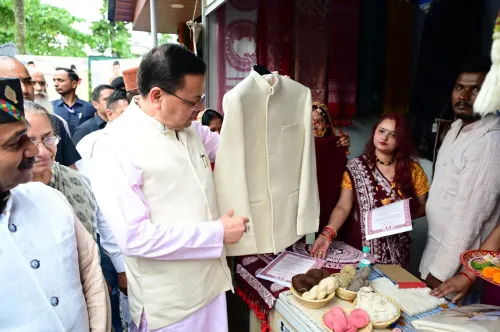
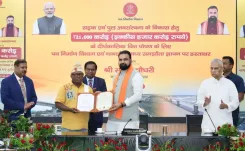
Uttarakhand Chief Minister Pushkar Singh Dhami hosted the 12th National Handloom Day ceremony in Dehradun on 7 August 2026, placing the state's weaving heritage at the centre of an annual national observance rooted in the 1905 Swadeshi Movement.
Key Takeaways
Uttarakhand CM Pushkar Singh Dhami hosted the 12th National Handloom Day ceremony in Dehradun on 7 August 2026 .
National Handloom Day is observed every 7 August to mark the anniversary of the 1905 Swadeshi Movement .
The observance was first launched on 7 August 2015 by the central government.
The Ministry of Textiles is the nodal body responsible for organising the national event.
The handloom sector is India's second-largest rural employer after agriculture, giving the day significant policy relevance beyond ceremony.
State-level follow-up on handloom cluster development schemes is expected after the Dehradun function.
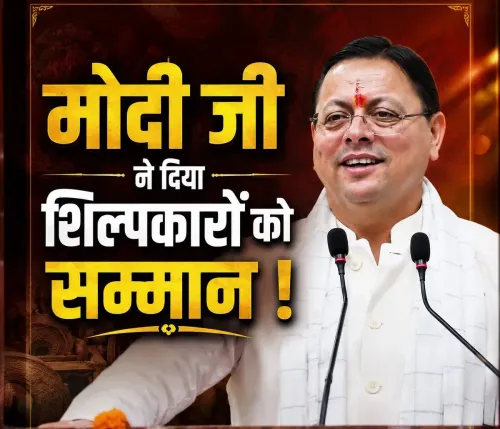
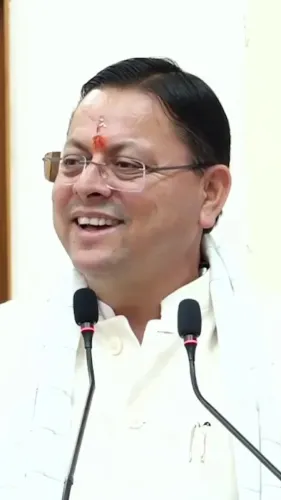
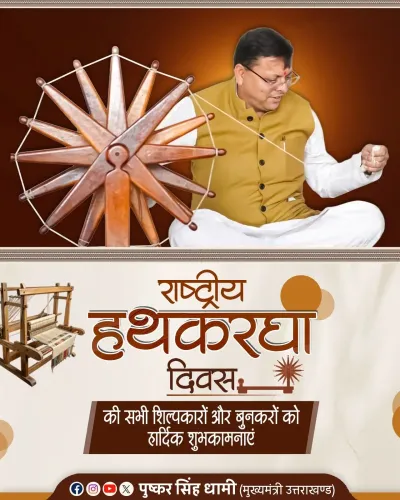
Every year on 7 August, India pauses to honour the millions of hands that keep its handloom tradition alive — and this year, Uttarakhand Chief Minister Pushkar Singh Dhami brought the national spotlight to Dehradun, hosting the 12th National Handloom Day ceremony at the state capital.
A date rooted in the Swadeshi Movement
National Handloom Day falls on 7 August each year — a date chosen deliberately to mark the anniversary of the 1905 Swadeshi Movement, when Indians pledged to champion indigenous goods over colonial imports. When the observance was first launched on 7 August 2015, it was an explicit act of historical memory: weaving the handloom sector's future to one of the most consequential economic uprisings in modern Indian history.
The Ministry of Textiles anchors the national event, using the occasion to spotlight the handloom sector's twin roles — as a livelihood for millions of weavers and artisans, and as a living archive of India's regional craft traditions.
Dehradun on the national stage
Choosing Dehradun as the venue for the 12th edition places Uttarakhand's own handloom heritage at the centre of the national conversation. The state has a distinct weaving tradition, with artisans producing textiles that reflect the hill culture of the central Himalayas. Hosting the event gives the state government a platform to connect local weavers directly with national-level attention and potential scheme outreach.
CM Dhami, who has led Uttarakhand since 2021, has regularly used state-hosted national events to foreground the region's cultural identity alongside its development agenda.
What the handloom sector carries
India's handloom sector is the second-largest employer in rural areas after agriculture — a fact that gives National Handloom Day its policy weight beyond ceremony. Successive governments have used the annual platform to review and announce weaver-support schemes, cluster development programmes, and market-linkage initiatives. This year's Dehradun gathering continues that pattern, with state-level follow-up on handloom cluster development schemes likely to follow the national function.
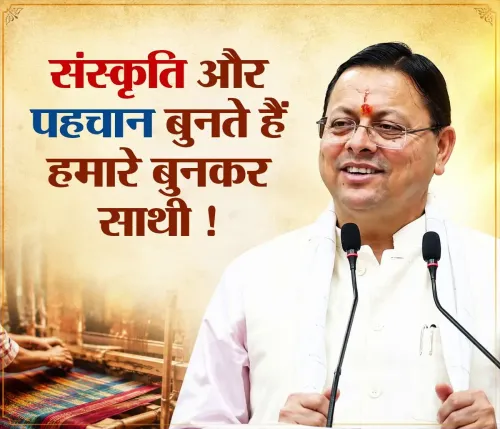
For the artisans in the room — and for those watching the live broadcast shared by CM Dhami — the day is both recognition and reminder: that the loom is not a relic, but a running engine of India's cultural economy.
Point of View
A state where hill-craft traditions remain economically marginal, the national spotlight offers a rare opportunity to push weaver welfare into the mainstream policy conversation. The real test will be whether the ceremony translates into concrete cluster-development or market-linkage announcements in the weeks that follow.
NationPress
7 Aug 2026
Frequently Asked Questions
What is National Handloom Day and why is it celebrated on 7 August?
National Handloom Day is an annual observance held on 7 August to honour India's handloom sector and its weavers. The date marks the anniversary of the 1905 Swadeshi Movement , when Indians pledged to support indigenous goods. The day was first observed on 7 August 2015 .
Where was the 12th National Handloom Day held in 2026?
The 12th National Handloom Day ceremony in 2026 was held in Dehradun , the capital of Uttarakhand, hosted by Chief Minister Pushkar Singh Dhami .
Which ministry organises National Handloom Day?
The Ministry of Textiles is the central government body responsible for organising National Handloom Day and related handloom promotion programmes.
Why is the handloom sector important for India?
India's handloom sector is the second-largest rural employer after agriculture and plays a critical role in preserving regional craft traditions and cultural heritage. It provides livelihoods to millions of weavers and artisans across the country.
Who is Pushkar Singh Dhami?
Pushkar Singh Dhami is the Chief Minister of Uttarakhand and a senior BJP leader who has held the post since 2021 . He frequently represents the state at national-level events and cultural observances.