CM Dhami Hails Modi's Push to Take Indian Crafts Global
Synopsis
Uttarakhand CM Pushkar Singh Dhami credited PM Narendra Modi with giving new energy to India's handloom and handicraft traditions, saying artisans are now realising the 'Local to Global' vision through their craft on August 7, 2026.
Key Takeaways
Uttarakhand CM Pushkar Singh Dhami posted on August 7, 2026 praising PM Modi's role in revitalising India's handloom and handicraft sector.
Dhami invoked the 'Local se Global' (Local to Global) vision, rooted in Modi's Vocal for Local messaging from May 2020 .
The Make in India campaign, launched September 2014 , included handlooms and handicrafts as priority sectors for manufacturing growth and exports.
India's handloom sector supports millions of rural and semi-urban livelihoods and is one of the largest in the world.
Policy tools such as Geographical Indication tags, skill programmes, and international exhibition participation continue to underpin the sector's global push.
Uttarakhand has its own distinct craft heritage — including Aipan folk art and hill woollen textiles — that stands to gain from national visibility drives.
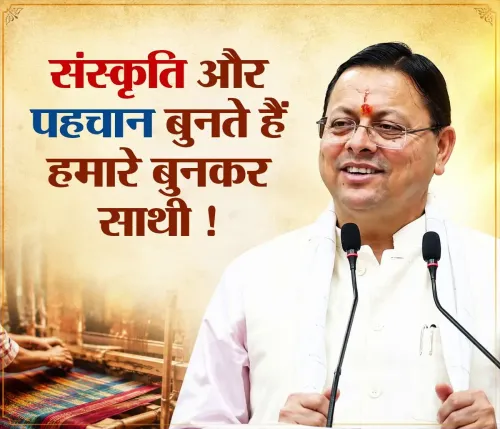
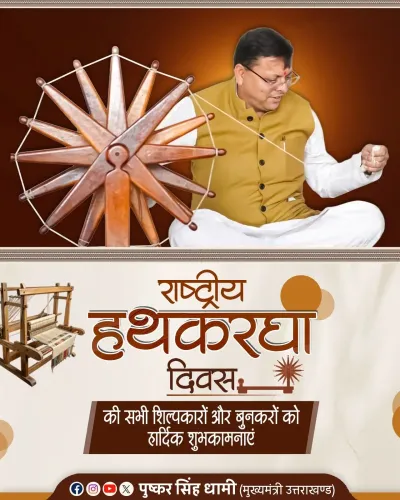
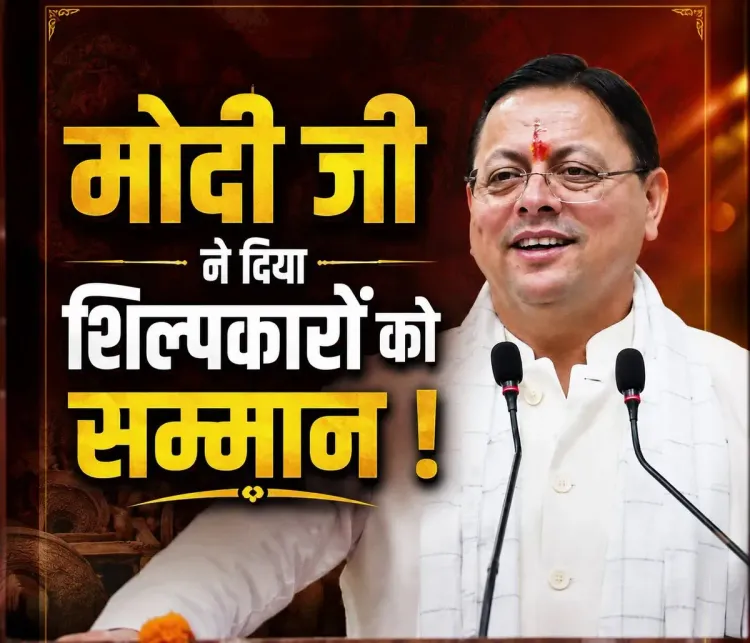
India's weavers and artisans are finding global audiences — and Uttarakhand Chief Minister Pushkar Singh Dhami wants the country to know who he credits for it. On Friday, August 7, 2026, Dhami took to X to praise Prime Minister Narendra Modi's leadership in revitalising India's handloom and handicraft traditions, saying the country's craftspeople are now building international identities through their extraordinary art.
Posting in Hindi, Dhami wrote that under Modi's stewardship, India's rich handcraft and handloom heritage has received 'nayi urja' — new energy. He added that artisans and weavers are today realising the resolve of 'Local se Global' — local to global — on the strength of their remarkable craft.
The 'Vocal for Local' Arc That Dhami Is Invoking
The phrase 'Local se Global' is not accidental. It draws directly from the Vocal for Local messaging that Prime Minister Modi amplified in May 2020 as part of the Atmanirbhar Bharat self-reliance package — a deliberate call to Indian consumers and policymakers to back domestic products and push them into global markets. Dhami's post is a public reaffirmation that this philosophy has taken root in the crafts sector specifically.
The handloom and handicraft sectors have long sat at the intersection of cultural identity and economic policy. The Make in India campaign, launched in September 2014, explicitly included these sectors among its manufacturing and export priorities. Successive governments have layered on Geographical Indication tags, skill-development programmes, and international exhibition participation to give artisans both protection and a platform.
Why Weavers and Artisans Are the Story's Heart
Strip away the policy language and the real protagonists are the craftspeople themselves — the handloom weavers producing textiles that carry centuries of regional identity, and the artisans whose work ranges from Kashmiri shawls to Banarasi silk to Kondapalli toys. For these communities, 'going global' is not an abstraction: it means better prices, wider markets, and the survival of traditions that might otherwise fade.
India's handloom sector is one of the largest in the world, providing livelihoods to millions of households — many of them in rural and semi-urban areas where alternative employment is scarce. Every international exhibition, every export order, every Geographical Indication tag is a concrete lifeline for these communities.
With central budget allocations for the handloom sector and Indian artisan participation at major international textile fairs remaining active policy levers, the momentum Dhami describes is one that both state and central governments have a stake in sustaining. Uttarakhand itself has a distinct craft heritage — from Aipan folk art to woollen textiles from the hills — that stands to benefit from any national push toward global visibility.
The loom is old. The market it now reaches is new. That gap is exactly what Indian policy — and posts like Dhami's — are trying to close.
Point of View
The 'Vocal for Local' to 'Local to Global' arc that has been a consistent thread since 2020. By centering weavers and artisans, the messaging blends heritage pride with self-reliance politics, a combination that plays well ahead of any budget cycle or election. The broader pattern is clear: handicrafts are no longer just a welfare issue but a soft-power and trade asset in India's policy vocabulary. Whether that vocabulary translates into measurable export growth for artisans is the question that will define whether this political framing holds.
NationPress
22 Sept 2026
Frequently Asked Questions
What did Uttarakhand CM Dhami say about Indian handloom and handicrafts?
CM Pushkar Singh Dhami said that under PM Modi's leadership, India's handloom and handicraft traditions have received new energy, and artisans and weavers are now achieving global recognition through their craft, fulfilling the 'Local to Global' vision.
What is the 'Vocal for Local' initiative related to handlooms?
'Vocal for Local' was a call by PM Modi in May 2020 under the Atmanirbhar Bharat package to encourage Indians to support domestic products and push them into global markets, with handlooms and handicrafts among the key beneficiaries.
How does Make in India support the handicraft sector?
The Make in India campaign, launched in September 2014, included handlooms and handicrafts among its priority manufacturing and export sectors, supporting artisans through skill programmes, Geographical Indication tags, and international exhibition participation.
What crafts is Uttarakhand known for?
Uttarakhand has a distinct craft heritage that includes Aipan folk art — a traditional ritual painting form — as well as woollen textiles and other hill crafts that reflect the state's cultural identity.
Why are handloom weavers important to India's economy?
India's handloom sector is one of the largest in the world, providing livelihoods to millions of households, many in rural and semi-urban areas where alternative employment is limited, making it both a cultural and economic priority.