CM Dhami Hails India's G7 Role as Decisive Global Power
Synopsis
Uttarakhand CM Pushkar Singh Dhami on June 17, 2026 declared India a 'decisive global power,' citing its G7 Summit presence as proof of the diplomatic maturity and international acceptance earned under PM Narendra Modi's leadership.
Key Takeaways
CM Pushkar Singh Dhami on June 17, 2026 described India as a 'decisive power' in global affairs, moving beyond observer status.
He credited PM Narendra Modi's leadership for projecting confidence, capability, and diplomatic maturity on the world stage.
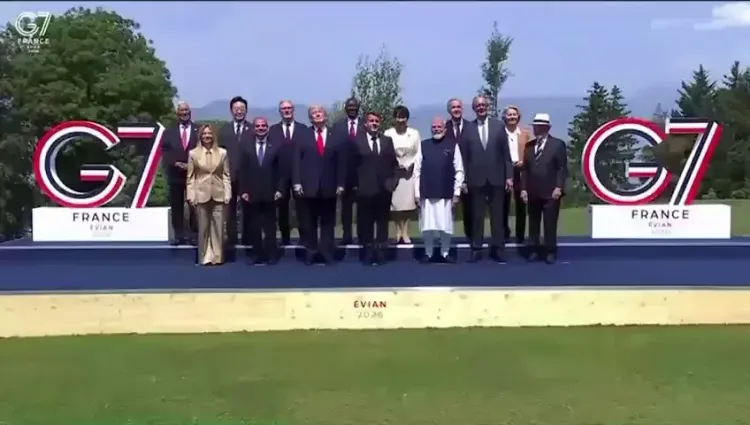
India's presence at the G7 Summit was framed as a symbol of growing global acceptance earned through ideas, values, and leadership.
India has received regular G7 guest invitations since 2019 and held the G20 presidency in 2023 , amplifying Global South priorities.
The Viksit Bharat vision for a developed India by 2047 was invoked to link domestic progress with enhanced international standing.
Dhami's post reflects a broader BJP pattern of reinforcing the central government's narrative of India as a key pole in a multipolar world order.
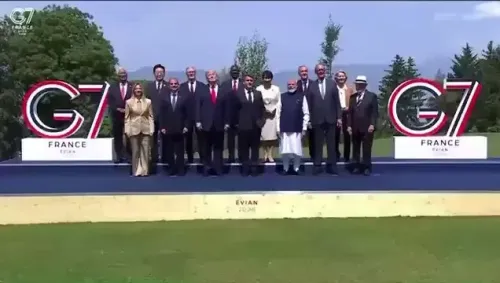
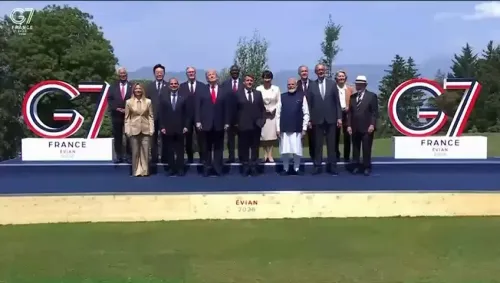
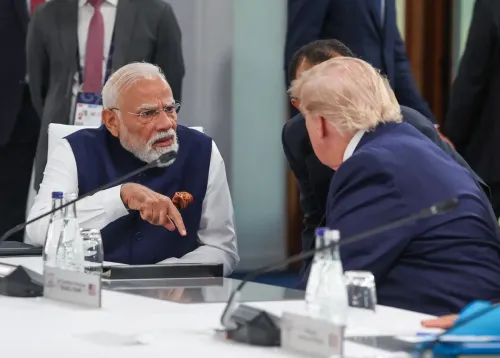
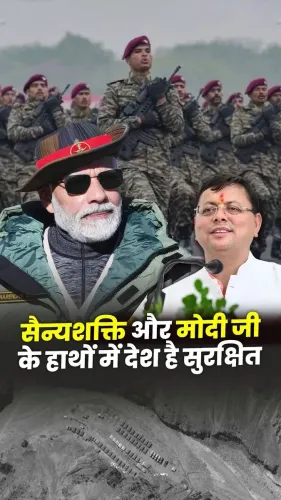
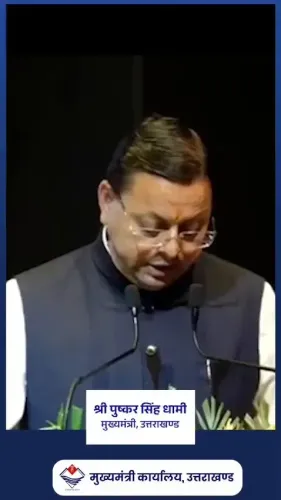
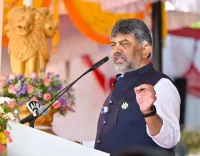
Uttarakhand Chief Minister Pushkar Singh Dhami on Wednesday, June 17, 2026, declared that India is no longer a mere spectator on the world stage but a decisive force in global affairs, citing the country's participation in the G7 Summit as evidence of its rising international stature under Prime Minister Narendra Modi.
Context
CM Dhami posted in Hindi on X, stating: 'Bharat ab vaishvik ghatnakarmon ka matra darshak nahin balki ek nirnayak shakti hai' — 'India is no longer merely a spectator of global events but a decisive power.' He credited PM Modi's leadership for projecting confidence, capability, and diplomatic maturity that has drawn the attention of the global community.
Dhami further described India's presence at the G7 Summit not merely as one nation's participation, but as a symbol of the growing global acceptance that India has earned through its ideas, values, and leadership capacity. He invoked the #ViksitBharat vision, linking domestic ambition with enhanced international standing.
Policy Backdrop
India has received regular guest invitations to the G7 since 2019, reflecting its expanding strategic weight among major advanced economies. A landmark moment came in May 2023, when PM Modi attended the G7 Summit in Hiroshima, Japan, signalling India's deepening engagement with Western-led multilateral forums.
That trajectory was further reinforced when India held the G20 presidency in 2023, using the platform to amplify Global South priorities and secure consensus on key declarations. New Delhi's approach reflects a doctrine of strategic autonomy — maintaining active presence across forums as varied as the Quad, BRICS, and the Shanghai Cooperation Organisation (SCO).
The Viksit Bharat initiative — the government's vision for a developed India by 2047 — is increasingly invoked to connect domestic progress with enhanced international influence, framing economic growth and diplomatic assertiveness as two sides of the same coin.
Stakeholders and Impact
Dhami's post reflects a pattern among BJP state leaders of amplifying the central government's foreign-policy narrative, reinforcing the image of India as a decisive pole in an emerging multipolar order. Such messaging resonates with a domestic audience that has watched India's global profile rise over the past decade.
For the diplomatic community and policy analysts, India's consistent presence at G7 gatherings signals that New Delhi is being consulted on agendas that were historically shaped exclusively by the world's wealthiest nations. This access carries weight in discussions ranging from climate finance to global debt restructuring and supply-chain resilience.
What's Next
Attention will now turn to any formal outcomes or bilateral engagements that emerge from the current G7 Summit, including whether India secures commitments on multilateral institutional reform — a longstanding priority for New Delhi. Follow-up diplomatic activity in the weeks after the summit will be closely watched by analysts tracking India's evolving role in global governance.
As India deepens its engagement with both Western and non-Western blocs simultaneously, its ability to act as a bridge — a 'medium of dialogue, cooperation, and solutions,' in Dhami's words — will be tested by the sharpening geopolitical tensions that define this era.
Point of View
The post connects India's multilateral rise directly to PM Modi's personal brand of assertive diplomacy. The invocation of Viksit Bharat is telling: it signals an attempt to fuse India's domestic development agenda with its international prestige, making foreign-policy success feel tangible to ordinary voters. Analysts will note that India's simultaneous engagement across Quad, BRICS, and G7 platforms is the real strategic story — a balancing act that gives New Delhi unusual leverage but also demands careful management as great-power competition intensifies.
NationPress
17 Sept 2026
Frequently Asked Questions
Why is India invited to the G7 Summit if it is not a G7 member?
India is not a permanent G7 member but has received regular guest invitations since 2019 due to its growing economic size, strategic importance, and role as a voice for the Global South. Host nations invite key partners to broaden the summit's reach and legitimacy.
What did CM Dhami say about India at the G7 Summit?
CM Pushkar Singh Dhami said India is no longer a mere spectator of global events but a decisive power, and that its G7 presence symbolises the global acceptance India has earned through its ideas, values, and leadership under PM Modi.
What is Viksit Bharat and how does it relate to India's foreign policy?
Viksit Bharat is the Indian government's vision for a fully developed India by 2047. It is frequently linked to foreign policy to argue that India's rising domestic strength and its growing global influence are mutually reinforcing goals.
How has India's global role changed under PM Modi?
Under PM Modi, India has shifted from a relatively passive multilateral participant to an active agenda-setter, hosting the G20 presidency in 2023, deepening Quad ties, and maintaining simultaneous engagement with BRICS and SCO — a strategy often described as strategic autonomy.
What is the significance of India's G20 presidency in 2023 for its global standing?
India's G20 presidency in 2023 was a landmark moment that allowed New Delhi to shape the global agenda, champion Global South priorities, and secure consensus on key declarations, significantly boosting its credibility as a constructive multilateral leader.